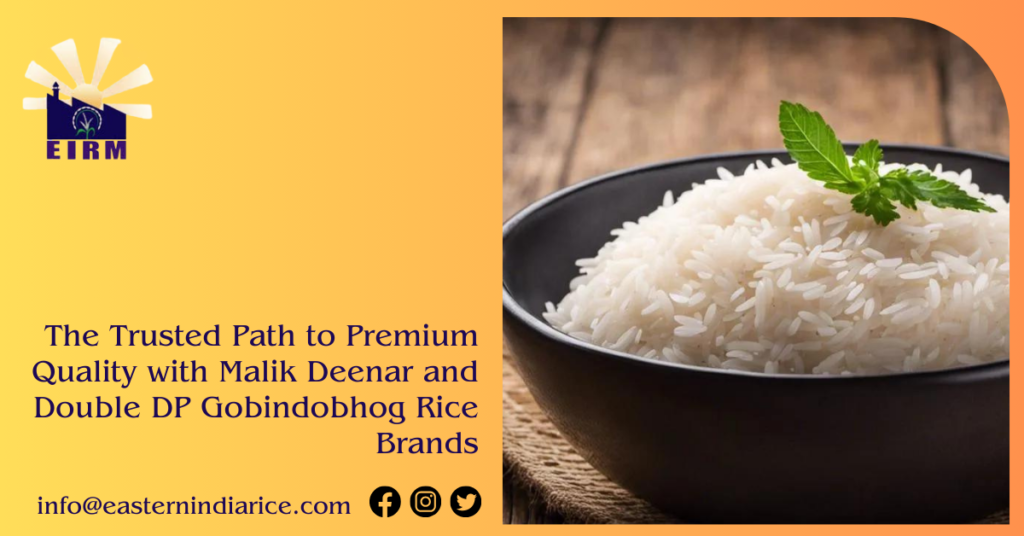
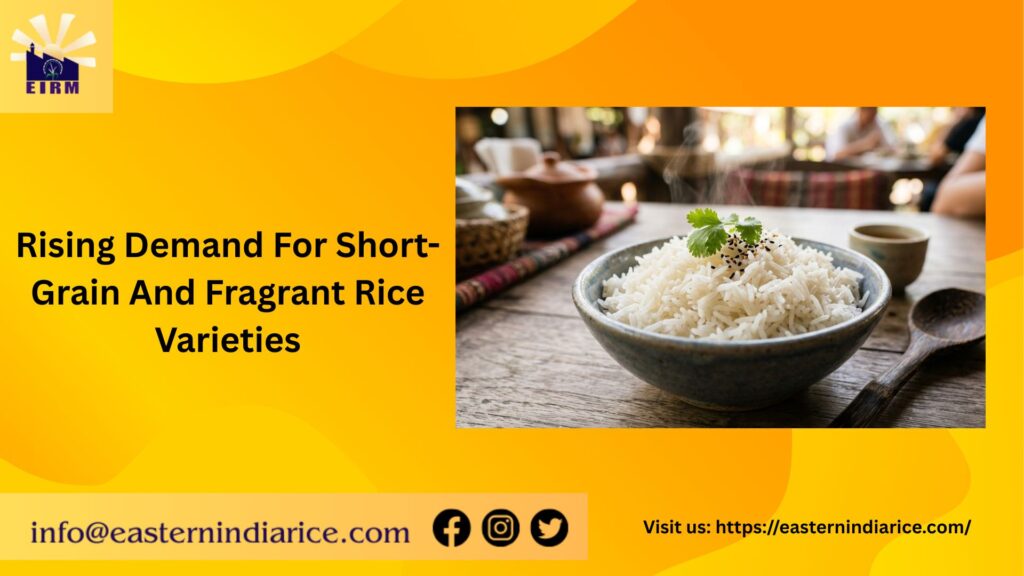
Middle East rice imports are changing. Gulf buyers still take Basmati, but more kitchens now want short-grain, fragrant rice that stays moist in slow-cooked meat dishes. Eastern India Rice Mill (MINI) mills that grain in Burdwan and packs it under MALIK DEENAR and DOUBLE D.P.
A growing expatriate population is driving demand. Kitchens in the Gulf also lean more toward Indian and Southeast Asian food. Varieties like Jeera Samba and Gobindo Bhog are no longer backup options. They are becoming everyday essentials.
This gives Eastern India Rice Mill (MINI) a clear opening. We can grow our share of Special Biryani Rice across the GCC.
Middle East rice imports: shift from commodity to premium fragrance
Historically, Middle East imports focused on bulk white rice and premium Basmati. Today, consumers are seeking “experience-based” grains.
- Aroma as a Priority: Modern buyers in the UAE and Saudi Arabia are specifically asking for fragrant rice that offers a natural, buttery scent without artificial additives.
- Texture Variety: Cooks now prefer short-grain rice over fluffy, separate Basmati grains. Short grains stay a little sticky and hold moisture, so they suit traditional slow-cooked meat dishes.
The Rise of “Special Biryani Rice”
While Basmati biryani remains a staple, the “Regional Biryani” trend is taking over high-end restaurants in Dubai, Doha, and Riyadh.
- Jeera Samba Demand: This tiny grain is now the preferred Special Biryani Rice for South Indian-style biryanis (like Ambur or Seeraga Samba biryani), which are booming in popularity among the large Tamil and Malayali diaspora.
- Sourcing Trends: Importers are moving away from general wholesalers and looking for specialized manufacturers like EIRM to ensure the purity and age of the grain, which is vital for the perfect texture.
Culinary Diversification and Health Awareness
The Middle Eastern palate is expanding, influenced by a blend of global cultures.
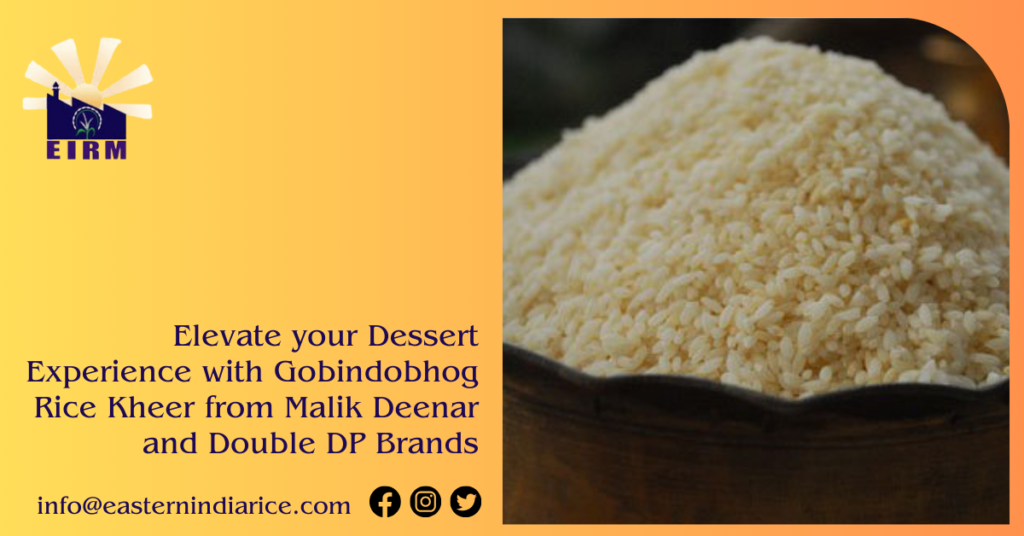
- Dessert & Ritual Use: Short-grain rice like Gobindo Bhog is seeing increased imports for the preparation of traditional sweets and festive porridges.
- Digestibility: Health-conscious urban consumers in the Middle East are increasingly choosing short-grain aromatic rice because it is often perceived as easier on the digestive system compared to heavy, long-grain parboiled varieties.
Middle East rice imports: economic and supply chain factors
The 2025-2026 trade data shows that Middle Eastern countries are diversifying their import origins to ensure food security.
- Strategic Partnerships: Nations like Oman and Kuwait are signing long-term deals with Indian suppliers for non-basmati aromatic varieties to hedge against Basmati price volatility.
- Premium Packaging: There is a growing trend for “Retail-Ready” small-pack imports (1kg to 5kg) rather than bulk 20kg bags, as consumers look for branded, quality-assured products like those offered by Eastern India Rice Mill (MINI).
Middle East rice imports: sustainable sourcing and traceability
Modern importers in the Middle East are now demanding more transparency regarding where their food comes from. There is a growing preference for brands like EIRM that can prove their short-grain rice is sourced directly from ethical farms. This focus on “farm-to-fork” traceability ensures that the fragrant rice maintains its organic integrity, meeting the strict food safety standards of the GCC while appealing to environmentally conscious consumers who want to support sustainable agricultural practices.
Summary of Import Trends (2025-2026)
| Trend Factor | Impact on Middle East Market |
| Grain Preference | High growth in short-grain rice imports. |
| Usage | Increasing use of Special Biryani Rice for regional recipes. |
| Sourcing | Shift toward GI-tagged and certified aromatic rices. |
| Consumer Profile | Rising demand from middle-income expatriates and locals alike. |
In 2026, Middle Eastern importers are moving toward long-term forward contracts rather than spot purchases to ensure food security. This trend is particularly visible leading up to peak demand periods like Ramadan, where consistent quality and supply of fragrant rice are prioritized over short-term cost savings.
Conclusion
The shifting landscape of Middle East rice imports highlights a clear move toward culinary diversity and premium quality. As consumers increasingly prioritize unique textures and natural aromas, short-grain rice and fragrant rice varieties are securing a permanent place in global kitchens. This evolution offers a significant advantage to exporters who focus on authenticity.
By providing high-quality Special Biryani Rice, Eastern India Rice Mill (MINI) bridges the gap between traditional Indian heritage and the modern international palate. Ultimately, staying ahead of these trends ensures a competitive edge in a market that now values specialized, aromatic grains as much as volume.