Jasmine rice and Kaima rice are transforming the Middle Eastern food industry. Learn why premium grains from EIRM are currently driving regional demand and culinary trends.
The Rising Influence of Jasmine and Kaima Rice in the Middle Eastern Food Market
The food industry in the Middle East is currently undergoing a massive shift. While traditional long-grain rice has always been a staple, new favorites are taking over the dining table. Specifically, Jasmine rice and Kaima rice are now shaping the demand in restaurants and households across the region. As a leading name in the global supply chain, Eastern India Rice Mill (MINI) has been at the forefront of providing these high-quality grains to meet the growing appetite of the Gulf.
Why Jasmine Rice is Winning Hearts
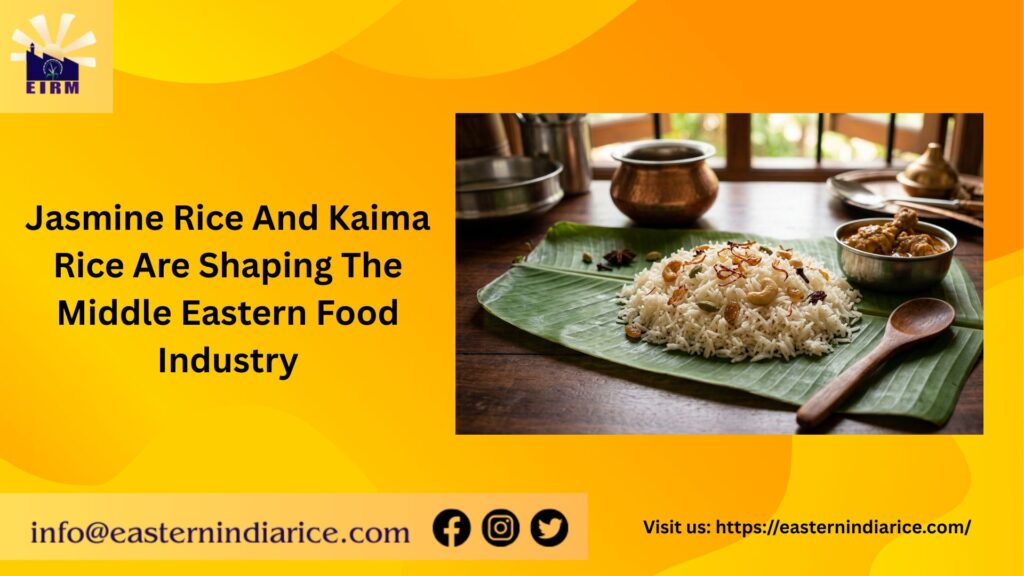
Jasmine rice is famous for its sweet, floral aroma and slightly sticky texture. Originally popular in Southeast Asian cooking, it has now become a go-to choice in Middle Eastern kitchens for several reasons:
- Fragrance: The natural scent of Jasmine rice adds a premium feel to everyday meals, making it a favorite for family gatherings.
- Texture: Its soft and moist nature makes it perfect for pairing with rich Middle Eastern stews and grilled meats.
- Versatility: Whether it is a side dish or a main course, brands like EIRM ensure that the grain quality remains consistent for diverse recipes.
The Special Appeal of Kaima Rice
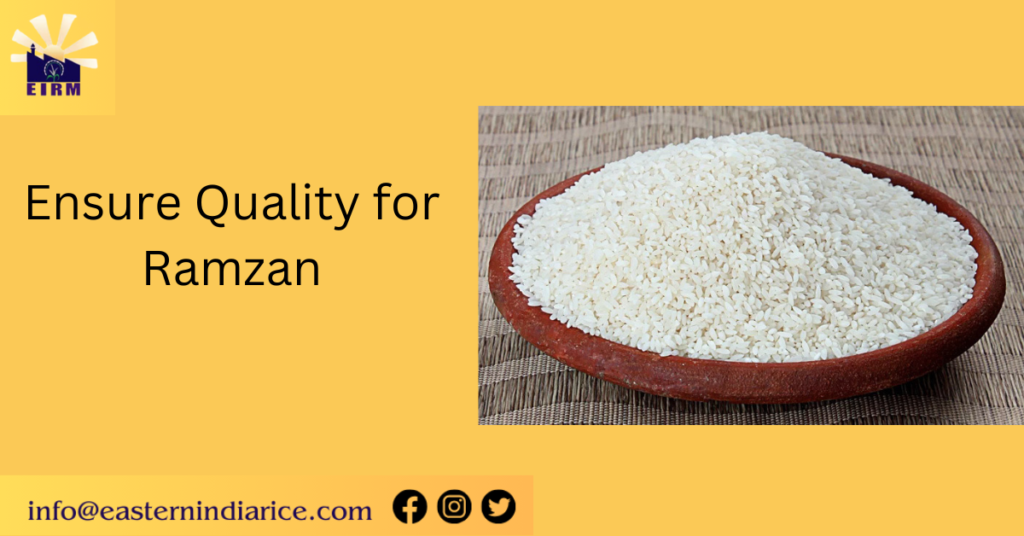
While many know the long grains of Basmati, Kaima rice (also known as Jeerakasala) is a short-grain wonder that is making waves. It is highly prized in the Malabari community within the Middle East, particularly for making the iconic Thalassery Biryani.
- Flavor Absorption: Unlike longer grains, Kaima rice has a unique ability to soak up spices and ghee without becoming mushy.
- Unique Size: Its tiny, thin grains provide a different mouthfeel that many foodies now prefer over standard varieties.
- Premium Quality: EIRM sources the finest short grains to ensure that every pot of biryani smells and tastes authentic.
How Traditional Choices are Shifting
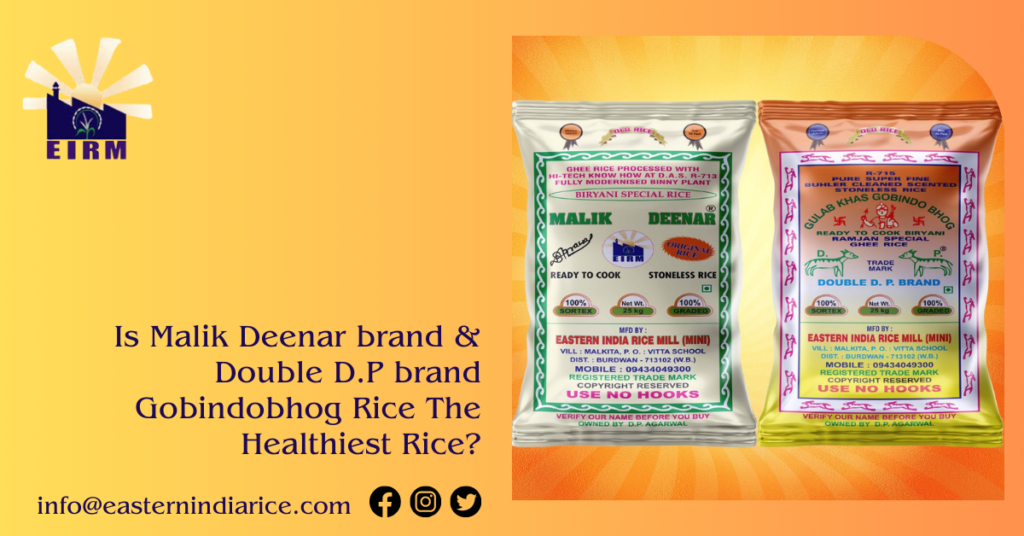
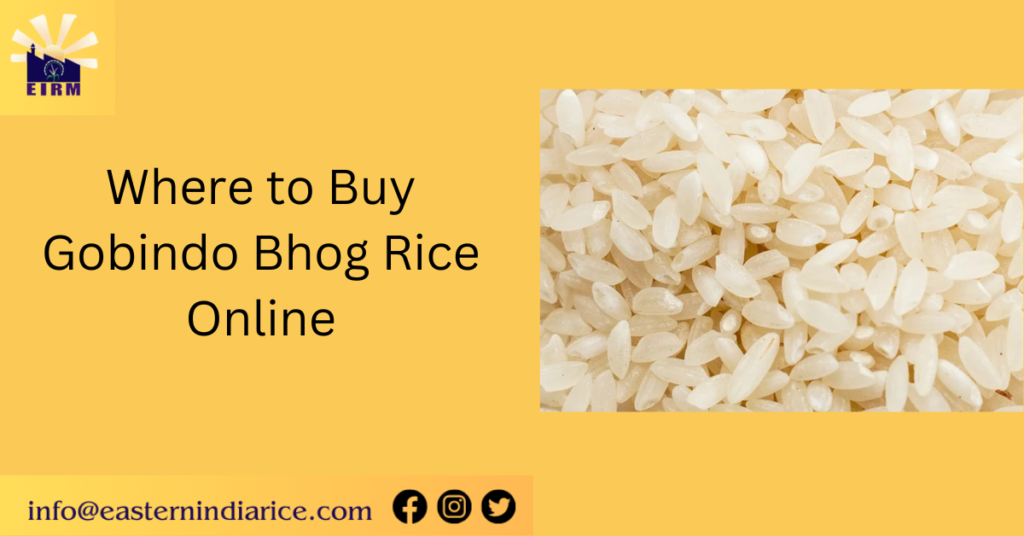
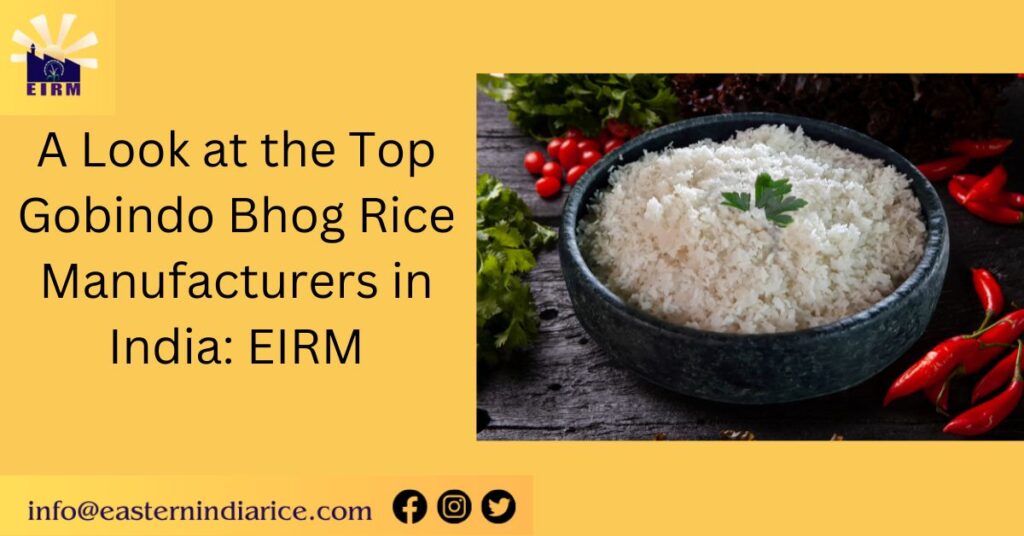
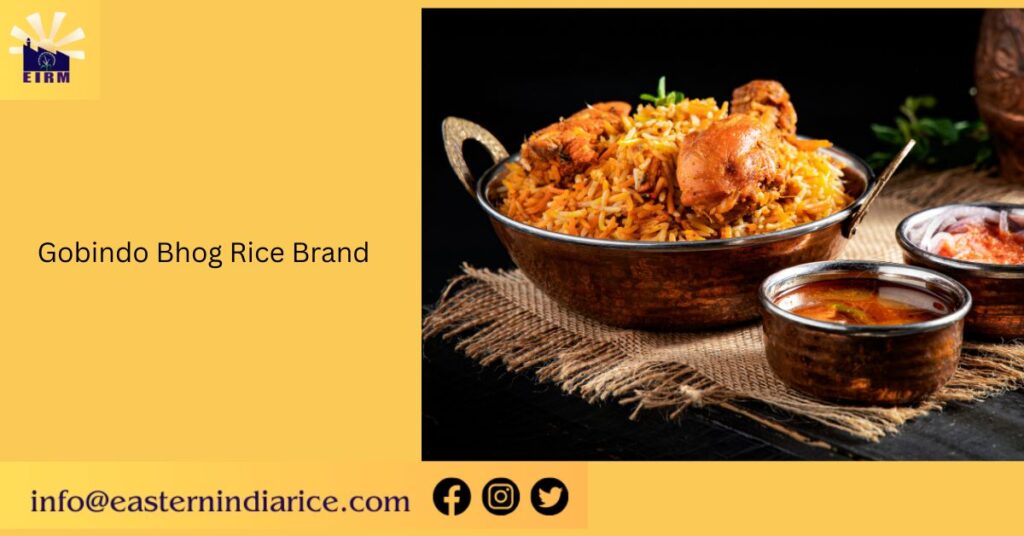
The demand isn’t just about taste; it’s about heritage and quality. Interestingly, Kaima rice is often associated with the same high standards found among gobindobhog rice manufacturers. These manufacturers produce short, aromatic grains that are traditionally used in religious offerings and festive feasts in India. Because of their similar “small grain, big aroma” profile, the expertise of gobindobhog rice manufacturers is helping set the quality benchmarks for the short-grain rice sold in the Middle East today.
EIRM: A Trusted Name in Quality
With a legacy dating back to the 1960s, EIRM has mastered the art of sourcing and processing the finest grains. Understanding that Middle Eastern consumers demand absolute purity, EIRM implements rigorous quality control and two-year aging processes. This dedication ensures that every bag—whether fragrant Jasmine rice or the specialized Kaima rice—meets elite international food safety standards.
By bridging the gap between traditional farming and modern demand, Eastern India Rice Mill (MINI) provides chemical-free, sustainable rice that preserves natural flavors. This commitment to excellence makes them a reliable partner for those seeking the authentic taste and texture of premium rice.
The Role of Restaurants and Cafeterias
The growth of the tourism and hospitality sector in cities like Dubai, Riyadh, and Doha has also fueled this demand. Chefs are looking for rice that can withstand large-scale cooking while keeping its aroma intact.
- Jasmine rice is being used more frequently in fusion dishes and trendy “bowls.”
- Kaima rice is becoming a star ingredient in high-end specialty restaurants that focus on South Indian and regional coastal cuisines.
Health and Digestibility
Modern consumers are also looking for rice that is easy on the stomach. Both Jasmine and Kaima varieties are known for being easy to digest compared to some heavier, aged long-grain varieties. This health-conscious shift has made it easier for companies like EIRM to introduce these grains to a wider audience who want to eat well without feeling bloated.
Conclusion
The Middle Eastern food industry is no longer just about one type of grain. The aromatic charm of Jasmine rice and the flavor-packed punch of Kaima rice have created a diverse and exciting market. As the region continues to welcome different cultures and culinary styles, the demand for these varieties—and the standards set by gobindobhog rice manufacturers—will only continue to grow. For those looking for the best in class, Eastern India Rice Mill (MINI) remains the reliable partner for bringing these world-class grains to your kitchen.