Eastern India Rice Blog

Gobindo Bhog Rice Suppliers

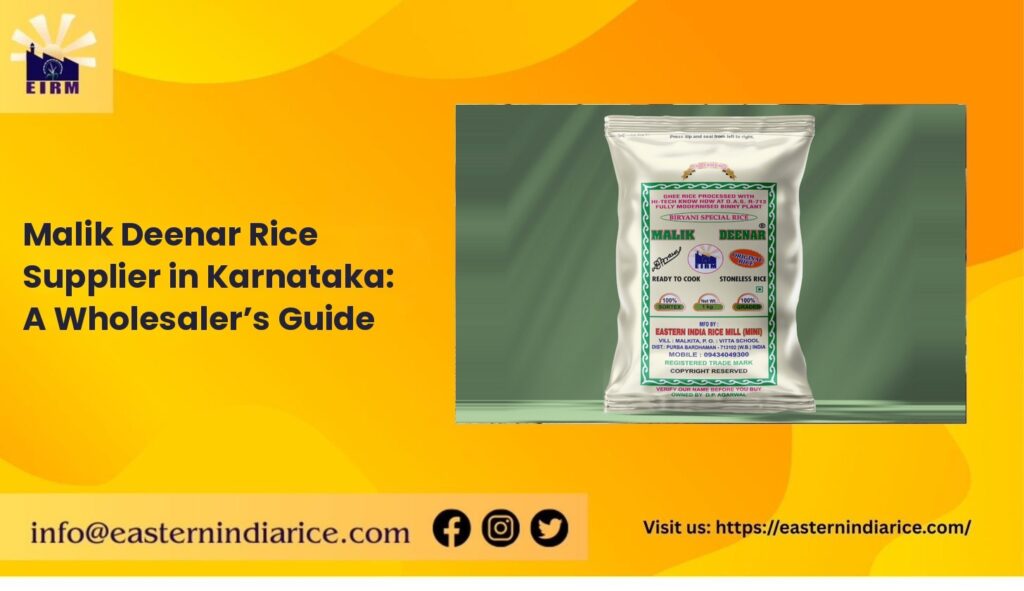
Malik Deenar Rice Supplier in Karnataka: A Wholesalerโ€™s Guide

malik-deenar-rice-supplier-karnataka

Finding a Malik Deenar rice supplier in Karnataka is not only about getting the lowest bag rate. You need rice that cooks the same way every time, reaches your godown in clean condition, and gives your buyers confidence when they open the bag. Malik Deenar rice is manufactured by Eastern India Rice Mill in Purba Bardhaman, West Bengal. We move it in sealed 1 kg and 25 kg packs, so you can trace the stock back to one mill instead of dealing with a chain of repackers. That traceability matters. India produced 150.18 million tonnes of rice in 2024-25, but aromatic rice still needs careful buying. Your real margin depends on grain quality, bag economics, MOQ, freight, and whether the stock is original. Jeera Samba Rice and Gobindo Bhog Biryani Rice: Know the Trade Names Karnataka buyers often search for Jeera Samba rice, while Bengal buyers know Gobindo Bhog biryani rice and Gobindo bhog biryani rice. Both belong in the aromatic short-grain market, but they are not the same variety. Never present one as the other on an invoice, label, or product listing. You may also hear Seeraga Samba rice, Zeera Samba rice, Zeera Samba Rice 25kg, Jeeraga Samba rice, Jeerasambha rice, and Jeerakasala rice in southern trade. These names can vary by market and seller, so confirm the actual variety, origin, and brand before you place an order. Malik Deenar is positioned for buyers looking for aromatic short grain biryani rice.  What You Receive in Malik Deenar Every kitchen wants rice that holds its character in dum cooking. Malik Deenar carries 2 years aged rice, with lots aged up to 2 years before dispatch. Ageing supports a cleaner cooking result and helps bring out the delightful taste and aroma. Specification Malik Deenar Standard Why It Matters Grain size Grain size 4.6 to 5.2 mm Suitable for short-grain biryani rice Processing Raw, partially polished Keeps the grain closer to its natural character Soaking Soaking time 25 to 35 minutes Helps kitchens plan preparation Cooking yield 1 kg gives roughly 2.6 to 3.4 kg cooked Supports food-cost planning Origin West Bengal, Country of Origin: India Gives buyers clear source information The distinct aroma of authentic Gobindo Bhog rice comes from the rice and its handling, not from artificial fragrance. You can review the listed Malik Deenar details before you raise a purchase order. Bag Sizes, Packaging Type and Per-Kg Landed Rate A low bag price can look attractive until you calculate freight. Always compare the per-kg landed rate, not the total price of one bag. The 1 K.G. pack uses part number 8908018005111 and measures 145mm x 250mm. It works well for kirana stores and retail shelves. The 25 Kg bag uses part number 8908018005098 and measures 775mm x 710mm. At that size, you get 40 bags per tonne, which makes stock planning simple. Choose PP bag packaging type for bulk dispatch. A sound PP bag helps protect the rice during transit and storage. Before accepting a load, match the printed part number with the invoice and count your bags against the dispatch note. How to Check the Original MALIK DEENAR ยฎ Bag Lookalike packs can create problems for your business. Do not rely on the front design alone. Gobindabhog Rice has a registered GI for West Bengal. The soil and climate affect how this regional rice develops. Use this rice purity check when you inspect a new lot. Who Buys This Rice in Karnataka? Demand comes from practical, repeat buyers. Biryani kitchens and hotels need dependable cooking results. APMC yard traders in Yeshwanthpur and New Tharagupet move fast when stock arrives as promised. Kirana stores across Mysore, Tumkur, Ballari and Raichur can steadily sell smaller packs, while caterers need confirmed stock before Ramzan and wedding season. If buyers search โ€œrice wholesalers in Bangalore near me,โ€ they want availability, clear pricing, and no confusion about the product. Our guide for choosing a rice supplier in Bengaluru explains this local buying pattern in more detail. MOQ, Paperwork and Storage Set your MOQ by tonnes or planned monthly movement, not guesswork. Give slab rates clearly, especially for 50 kgs and above. A rice trader and wholesaler also needs clean paperwork and proper storage before taking bulk orders. Keep your FSSAI registration or licence current. Keep GST registration ready for invoices and purchase orders. A dry, ventilated godown matters because aromatic rice can absorb nearby odours. Your rice dealership or rice distributor agreement should also state rate protection, replacement terms, and transport responsibility. India is the world’s largest producer of Rice, holding a 26.52% share of global rice production, so the paperwork around this trade has only grown tighter. Eastern India Rice Mill delivers using the fastest transport mode for your location, and traders also covering Kerala and Assam can look at our DOUBLE D.P. BRAND range alongside. Ready to Stock Malik Deenar? Your buyers remember the biryani, not the freight discussion behind it. Buy stock that protects your margin and your market name. As Gobindo Bhog rice manufacturers, Eastern India Rice Mill brings more than 10 years of rice manufacturing, more than 8 years of rice trading, and a family grain-trade legacy going back to the 1960s. Send your quantity and delivery city to Eastern India Rice Mill or call 9434049300 for the current rate. You can also buy Gobindobhog rice online to sample a lot first. Frequently Asked Questions
Double D.P. Brand Gobindo Bhog Rice: What Sets This Label Apart

Double-DP-Gobindobhog-Rice

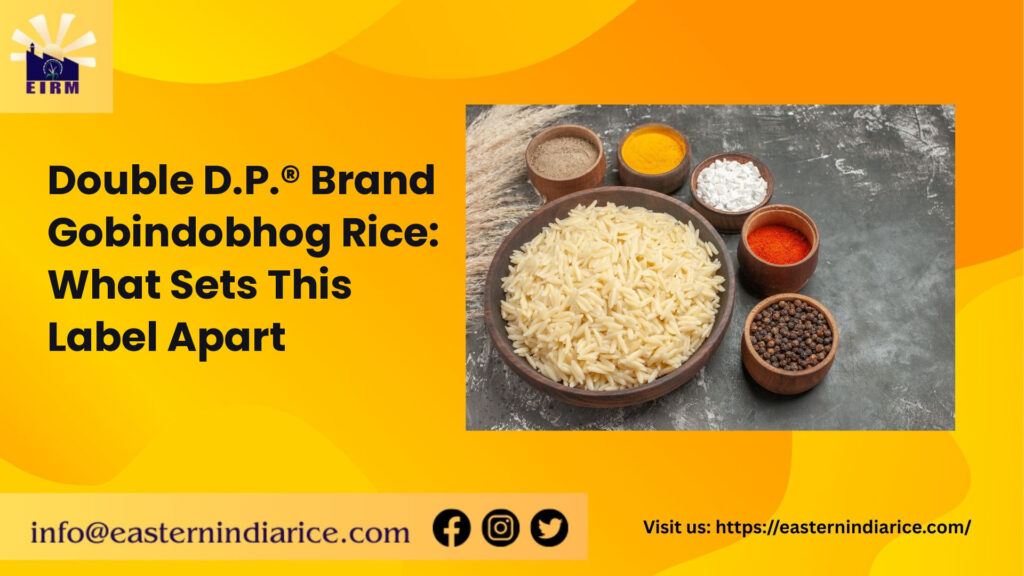
Two bags of Gobindo Bhog rice can look almost the same. Yet, once they cook, the difference becomes clear. One fills the kitchen with a rich aroma, while the other feels ordinary. That is where Double D.P. Brand Gobindo Bhog rice makes its mark. Eastern India Rice Mill ages every batch for up to two years, uses selected short-grain rice from Bengal paddy, and packs it for buyers who need steady quality. This is not simply rice with a better label. It is rice chosen for kitchens, stores, caterers, and families that care about what reaches the plate. This Gobindobhog rice comes from Purba Bardhaman in West Bengal, a region linked with Gobindbhog Rice as a Geographical Indication product. When you buy for resale or regular cooking, the label matters because it helps buyers know what they can expect every time. What Makes Double D.P. Gobindo Bhog Rice Different? Most sellers use the same words for their rice: aromatic, short, and tasty. Still, the real test begins when the rice cooks. Double D.P. Brand focuses on the details that working kitchens and regular buyers notice. The Bengal Origin Behind Every Grain Good aromatic rice starts with the land. It does not begin at the final packing stage. Gobindo Bhog rice grows in the fertile south Damodar belt, where rice farming has supported families in West Bengal for generations. The short-grain aromatic rice is traditionally cultivated across Purba Bardhaman, Hooghly, Nadia, and Birbhum. River-fed clay soil and cooler nights support the grainโ€™s natural buttery fragrance. The crop follows the monsoon cycle, then it is carefully de-husked to protect the aroma. Want to understand how the soil and climate affect each harvest? Eastern India Rice Mill sources from this belt, helping the origin stay clear from farm to sack. Aroma and Taste That Bring Buyers Back The signature aroma of Gobindobhog rice is easy to notice and difficult to replace. Authentic grain gives a sweet, natural smell that grows deeper while cooking. Cheap blends may smell strong at first, but their scent often fades quickly. This aromatic Bengali rice suits dishes where fragrance matters as much as flavour: Eastern India Rice Mill protects the distinct aroma through careful aging and low-heat milling. That is one reason buyers return for the same pack. Double D.P. Brand vs Ordinary Gobindo Bhog Rice Not every sack sold as Gobindo Bhog rice offers the same result. Here is what separates a sealed Double D.P. Brand pack from loose, unbranded stock. What you check Ordinary loose rice Double D.P. Brand Aging Fresh or only a few months old Aged up to 2 years Aroma Can fade after cooking Deepens through cooking Grain quality Mixed sizes and broken grains Uniform short grain, sortex clean Texture May turn sticky or pasty Fluffy and non-sticky Packaging Open sacks with no clear traceability Sealed 25kg trade packs This difference comes from a mill that does not skip aging or grading. Before choosing any sack, read our guide on how to check Gobindobhog rice purity. Where This Traditional Short-Grain Rice Fits Double D.P. Brand was made for working kitchens, but it suits home cooking just as well. This traditional short-grain rice gives you one dependable option for sweet and savoury dishes. For kitchens, stores, and homes Because it also works as Gobindo bhog biryani rice, one sack can support more than one menu. Eastern India Rice Mill also offers its sister label, Malik Deenar, under another trusted name. Nutrition and Everyday Value This aromatic rice offers more than aroma and appearance. Gobindobhog rice is easy to digest, which makes it suitable for children, elders, and people with a sensitive stomach. It provides long-lasting energy through carbohydrates, along with small amounts of protein and fiber. It is naturally gluten-free, so it can fit into many daily diets. Food quality also matters. Packaged rice must meet national food safety norms, and Eastern India Rice Mill treats this as a basic requirement. You can see the full nutrition benefits before planning your next order. Buying Double D.P. Gobindo Bhog Rice in Bulk If you need a dependable Gobindo Bhog rice supplier in Kerala, Tamil Nadu, or Karnataka, sourcing from one mill can reduce two common problems: uneven quality and unreliable supply. As an experienced Gobindobhog rice manufacturer, Eastern India Rice Mill brings 10+ years of milling and 8+ years of trading experience. The mill handles roughly 162,650 MT each year, helping it support wholesale and export orders, from a few sacks of Double D.P. Brand to a full truckload. Why Buyers Place Repeat Orders Buyers return when their Gobindo Bhog rice smells right, cooks well, and stays consistent. Double D.P. Brand Gobindo Bhog rice is built around that expectation, with two-year aging, clean short grain, and a clear Bengal origin. Whether you run a kitchen, stock a store, or want better rice for festival meals, this label reduces the guesswork. Ready to compare packs or place a bulk order? Reach out to Eastern India Rice Mill or call 9434049300 or 9593007777. Our team can help you choose the right pack and quantity. Frequently Asked Questions

Gobindo Bhog Rice in Assam: Online Wholesale Buying Guide

gobindo-bhog-rice-assam-wholesale

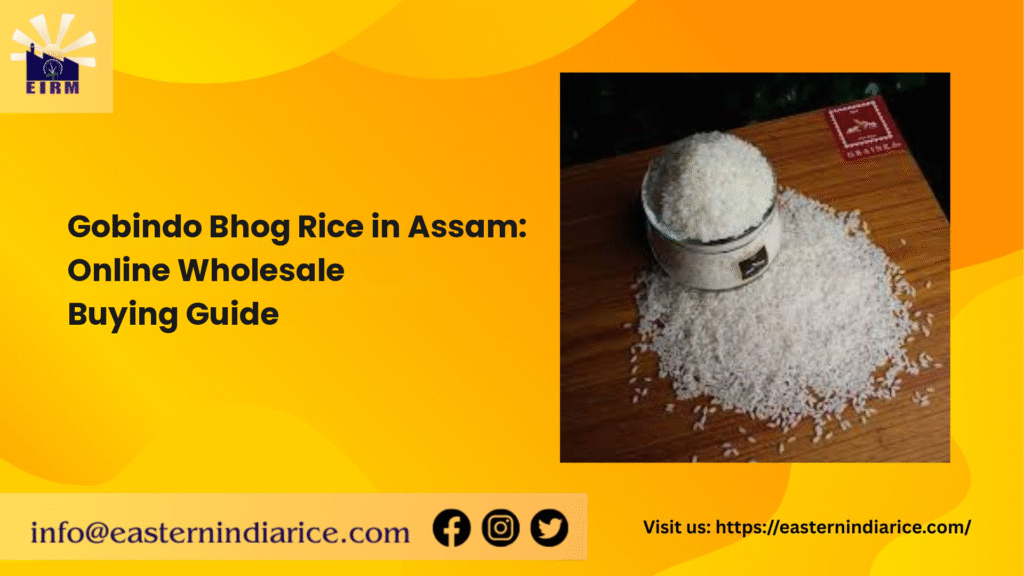
Can you buy Gobindo Bhog rice in Assam at wholesale rates without visiting a mandi or arguing over one small sample bowl? Yes. A reliable Gobindo Bhog rice supplier in Assam can share the landed rate per kg, grain specifications, bag details, and delivery plan before you place a bulk order. They should also ship 25 kg or 50 kg sacks directly to Guwahati or your district town. The real issue is not availability. It is quality. Many buyers pay for Gobindabhog and receive new crop rice with little aroma, uneven grains, or a mix of cheaper varieties. West Bengal produces around 2.5 to 3 lakh tonnes of premium scented rice during the kharif season across nearly 90,000 to 1,00,000 hectares. Only a small share is true Gobindobhog. That limited supply creates room for genuine millers, but it also gives sellers a chance to relabel cheaper grain. Before confirming online wholesale, compare rates, pack sizes, MOQ, quality specs, and paperwork. Why Gobindo Bhog Rice Works Well for Bulk Buying Gobindobhog is a short grain aromatic rice from the Damodar belt of Purba Bardhaman, West Bengal. It has a Geographical Indication, or GI tag, because the GI belt has the soil and climate that create its recognised fragrance. Gobindabhog and Tulaipanji received registration as premium traditional aromatic rices of West Bengal in October 2017. The GI tag matters in trade because the name has a legal origin. A seller claiming to offer Gobindo Bhog grown outside this belt should explain exactly what is inside the bag. Our guide on where this rice is grown explains why this region matters. For restaurants, caterers, and hotel kitchens, this aromatic short grain rice makes daily cooking easier. Eastern India Rice Mill ages each lot up to 2 years. This 2 year aged process helps protect the fragrance and cooking quality. Read more about the distinct aroma. Gobindo Bhog Rice Price in Assam: 2026 Wholesale Rates The Gobindo Bhog rice price in Assam depends on crop age, bag size, order volume, and freight. The wholesale price usually falls between โ‚น120 and โ‚น190 per kg. Guwahati often sits at the higher end because transport from Bengal adds to the landed rate. Do not compare marketplace retail packs with wholesale rates. Compare bag rates with bag rates. Pack size Best for Indicative wholesale price 1 kg and 5 kg packs Households, festive use, gifting โ‚น150 to โ‚น190 per kg 10 kg pack Tea stalls and small caterers โ‚น145 to โ‚น180 per kg 25 kg bag / 26 kg PP bag Restaurants, kirana and hotel kitchens โ‚น140 to โ‚น175 per kg 30 kg sack / 50 kg sack Distributors and bulk buyers โ‚น120 to โ‚น155 per kg Volume slabs matter more than long bargaining. A 100 kg bulk order and a 1,000 kg order should not carry the same rate. If a rice supplier in Assam offers one flat price for every quantity, they may be quoting a retail rate as wholesale. Bag Sizes, MOQ and Storage Minimum order quantity can look confusing because MOQ ranges from 5 kg to 25 metric tonnes across the market. Start with your monthly usage, not the supplierโ€™s preferred quantity. Restaurants and caterers usually choose a 25 kg bag or 26 kg PP bag because it stacks well and finishes before the aroma weakens. A kirana or grocery counter can combine 1 kg and 5 kg packs with a larger bag for loose sale. Distributors should discuss 30 kg sack and 50 kg sack pricing from 500 kg upward. A jute bag breathes better in Assam humidity. HDPE and PP bag packaging handles transport better. Choose the material based on storage conditions. DOUBLE D.P. BRAND from Eastern India Rice Mill comes in 25 kg bags and already supplies Assam, Kerala, and West Bengal. MALIK DEENAR offers the same grain for southern kitchens. Quality Specs to Confirm Before Payment A dependable gobindobhog rice manufacturer puts the following details in writing. Spec Standard to request Why it matters Admixture 2% or lower Reduces the risk of cheaper grain mixed in Broken 1% maximum Helps prevent sticky rice Moisture 13% to 14% maximum Protects the weight and shelf life Purity 99% and above Confirms a single variety Shelf life 12 months or 2 years Helps identify aged stock Cultivation type Common or organic stated clearly Keeps pricing honest Country of origin West Bengal, India Supports the GI claim Check GST and FSSAI details before the first consignment, not after a dispute. Eastern India Rice Mill holds GST 19AAACN9002E1ZQ and FSSAI licence 12817022000130 for its Purba Bardhaman unit.  Our guide on check Gobindobhog rice purity explains what to examine before you buy. Joha or Gobindo Bhog? Know the Difference Joha rice of Assam has its own GI under Certificate No. 287, issued on 27 April 2017 to Assam Agricultural University and Seuj Satirtha. Joha is Assamese. Gobindobhog is Bengali. They are both aromatic, but they are not the same rice. Supply shortages sometimes lead sellers to place different short-grain varieties under one familiar name. You may also see Sona Chur, Chitti Muthyalu, Kaima, Jeerakasala rice, or Jeerasambha rice. Some may offer a similar eating experience, while others are separate varieties. When you buy gobindo bhog rice in assam online wholesale, ensure the name on the bag matches the variety inside it. Choosing a Supplier for Guwahati Delivery Searching โ€œrice wholesaler near meโ€ in Fancy Bazar can work until stock runs out and you receive a different millโ€™s rice. Buying direct helps you understand the source, landed rate, and delivery responsibility. Before ordering, confirm these points: Eastern India Rice Mill has supplied Assam, Sikkim, Bihar, and Nepal since the 1960s. Our unit in Purba Bardhaman has more than 10 years of manufacturing behind its labels. As gobindo bhog rice manufacturers in India, we ship direct and understand the Northeast route. You can also see why buyers buy Gobindo Bhog rice online in Assam. Get Your Assam Bulk Order Moving Good buying does not depend only on …

Gobindo Bhog Rice in Assam: Online Wholesale Buying Guide Read More »

เด‡เดจเตเดคเตเดฏเดฏเดฟเดฒเต† เด—เต‹เดฌเดฟเดจเตเดฆ เดญเต‹เด—เต เด…เดฐเดฟ เดตเดฟเดคเดฐเดฃเด•เตเด•เดพเตผ: เดฏเดฅเดพเตผเดฅ เด—เตเดฃเดจเดฟเดฒเดตเดพเดฐเด‚ เดŽเด™เตเด™เดจเต† เดชเดฐเดฟเดถเต‹เดงเดฟเด•เตเด•เดพเด‚

เด—เต‹เดฌเดฟเดจเตเดฆ เดญเต‹เด—เต เด…เดฐเดฟ

เฎคเฎฎเฎฟเฎดเฏเฎจเฎพเฎŸเฏเฎŸเฎฟเฎฒเฏ เฎชเฎฟเฎฐเฎฟเฎฏเฎพเฎฃเฎฟเฎ•เฏเฎ•เฏ เฎšเฎฐเฎฟเฎฏเฎพเฎฉ เฎ…เฎฐเฎฟเฎšเฎฟ เฎคเฏ‡เฎŸเฏเฎชเฎตเฎฐเฏเฎ•เฎณเฏเฎ•เฏเฎ•เฏ เฎ‡เฎคเฏ เฎฎเฏเฎ•เฏเฎ•เฎฟเฎฏเฎฎเฏ. เฎ•เฏ‹เฎชเฎฟเฎจเฏเฎคเฏ‹ เฎชเฏ‹เฎ•เฏ เฎ…เฎฐเฎฟเฎšเฎฟ เฎตเฎฟเฎฒเฏˆ เฎคเฎฎเฎฟเฎดเฏเฎจเฎพเฎŸเฏ เฎ‡เฎฉเฏเฎฑเฏ เฎฎเฏเฎ•เฏเฎ•เฎฟเฎฏ เฎ•เฏ‡เฎณเฏเฎตเฎฟ. MALIK DEENAR เฎฎเฎฑเฏเฎฑเฏเฎฎเฏ DOUBLE D.P. เฎ•เฏ‹เฎชเฎฟเฎจเฏเฎคเฏ‹ เฎชเฏ‹เฎ•เฏ เฎชเฎฟเฎฐเฎฟเฎฏเฎพเฎฃเฎฟ เฎ…เฎฐเฎฟเฎšเฎฟ เฎชเฎฐเฏเฎŸเฏเฎตเฎพเฎฉเฏ เฎ…เฎฒเฏเฎŸเฏเฎฐเฎพ-เฎฎเฎพเฎŸเฎฐเฏเฎฉเฏ เฎฎเฎฟเฎฒเฏเฎฒเฎฟเฎฒเฎฟเฎฐเฏเฎจเฏเฎคเฏ เฎตเฎฐเฏเฎ•เฎฟเฎฑเฎคเฏ. เฎ‡เฎตเฏˆ เฎšเฏ€เฎฐเฎพเฎฉ เฎคเฎฐเฎคเฏเฎคเฏˆ เฎ‡เฎฒเฎ•เฏเฎ•เฎพเฎ•เฎ•เฏ เฎ•เฏŠเฎฃเฏเฎŸเฏเฎณเฏเฎณเฎฉ. เฎคเฎพเฎฉเฎฟเฎฏเฎ™เฏเฎ•เฎณเฏ เฎšเฏ‹เฎฐเฏเฎŸเฏ เฎšเฏ†เฎฏเฏเฎฏเฎชเฏเฎชเฎŸเฏเฎ•เฎฟเฎฉเฏเฎฑเฎฉ. เฎตเฎฟเฎฒเฏˆเฎฏเฏเฎฎเฏ เฎจเฎฟเฎฒเฏˆเฎฏเฎพเฎ• เฎ‡เฎฐเฏเฎ•เฏเฎ•เฏเฎฎเฏ. เด‡เดตเดฏเดฟเตฝ เดเดคเต†เด™เตเด•เดฟเดฒเตเด‚ เด’เดฐเต เด•เดพเดฐเตเดฏเด‚ เดชเด•เตผเดคเตเดคเดพเตป เด•เดดเดฟเดฏเตเด‚. เดŽเดจเตเดจเดพเตฝ เดจเดพเดฒเตเด‚ เด’เดฐเตเดฎเดฟเดšเตเดšเต เดชเด•เตผเดคเตเดคเตเด• เดตเดณเดฐเต† เดฌเตเดฆเตเดงเดฟเดฎเตเดŸเตเดŸเดพเดฃเต. 2024-25 เดตเดฟเดณเดตเต†เดŸเตเดชเตเดชเต เดตเตผเดทเดคเตเดคเดฟเตฝ เด‡เดจเตเดคเตเดฏ 150.18 เดฆเดถเดฒเด•เตเดทเด‚ เดŸเตบ เด…เดฐเดฟ เด‰เดคเตเดชเดพเดฆเดฟเดชเตเดชเดฟเดšเตเดšเต. เดˆ เดตเดฒเดฟเดฏ เดตเดฟเดชเดฃเดฟเดฏเดฟเตฝ เดšเต†เดฑเดฟเดฏ เดธเตเด—เดจเตเดง เด…เดฐเดฟ เดตเดฟเดฒเด•เตเดฑเดžเตเดž เด…เดฐเดฟเดฏเตเดฎเดพเดฏเดฟ เด•เดฒเดฐเดพเด‚. เด…เดคเต เดคเต†เดฑเตเดฑเดพเดฏ เดชเต‡เดฐเดฟเตฝ เดตเดฟเดฑเตเดฑเต‡เด•เตเด•เดพเด‚. เดจเดฟเด™เตเด™เตพ เดฑเดธเตเดฑเตเดฑเต‹เดฑเดจเตเดฑเต เดจเดŸเดคเตเดคเดฟเดฏเดพเดฒเตเด‚ เดฎเตŠเดคเตเดคเดฎเดพเดฏเดฟ เดตเดฟเดฑเตเดฑเดพเดฒเตเด‚ เดตเต€เดŸเตเดŸเดฟเตฝ เดชเดพเดšเด•เด‚ เดšเต†เดฏเตเดคเดพเดฒเตเด‚ เดˆ เด—เตˆเดกเต เดธเดนเดพเดฏเดฟเด•เตเด•เตเด‚. เดฏเดฅเดพเตผเดฅ เด…เดฐเดฟเดฏเตเด‚ เด•เตƒเดคเตเดฐเดฟเดฎ เดชเด•เตผเดชเตเดชเตเด‚ เดคเดฎเตเดฎเดฟเดฒเตเดณเตเดณ เดตเตเดฏเดคเตเดฏเดพเดธเด‚ เด‡เดตเดฟเดŸเต† เดตเตเดฏเด•เตเดคเดฎเดพเด•เตเด•เตเดจเตเดจเต. เดฏเดฅเดพเตผเดฅ เด—เต‹เดฌเดฟเดจเตเดฆ เดญเต‹เด—เต เด…เดฐเดฟ เดŽเดจเตเดคเดพเดฃเต เด—เต‹เดฌเดฟเดจเตเดฆ เดญเต‹เด—เต เดชเดถเตเดšเดฟเดฎ เดฌเด‚เด—เดพเดณเดฟเตฝ เดจเดฟเดจเตเดจเตเดณเตเดณ เดšเต†เดฑเดฟเดฏ เดงเดพเดจเตเดฏเดฎเตเดณเตเดณ เดธเตเด—เดจเตเดง เด…เดฐเดฟเดฏเดพเดฃเต. เด‡เดคเดฟเดจเตเดฑเต† เดฏเดฅเดพเตผเดฅ เดชเตเดฐเดฆเต‡เดถเด‚ เดฆเดพเดฎเต‹เดฆเตผ เดจเดฆเดฟเด•เตเด•เดฐเดฏเดฟเดฒเตเดณเตเดณ เดชเดดเดฏ เดฌเตผเดฆเตเดตเดพเตป เดœเดฟเดฒเตเดฒเดฏเดพเดฏ เดชเต‚เตผเดต เดฌเตผเดงเดฎเดพเตป เด†เดฃเต. 2017-เตฝ 531 เดŽเดจเตเดจ เดจเดฎเตเดชเดฑเดฟเตฝ เดˆ เด…เดฐเดฟเด•เตเด•เต เด”เดฆเตเดฏเต‹เด—เดฟเด• GI เดŸเดพเด—เต เดฒเดญเดฟเดšเตเดšเต. GI เดŸเดพเด—เต เดญเด•เตเดทเตเดฏ เด‰เตฝเดชเตเดชเดจเตเดจเดคเตเดคเดฟเดจเตเดฑเต† เดœเดจเดจ เดธเตผเดŸเตเดŸเดฟเดซเดฟเด•เตเด•เดฑเตเดฑเต เดชเต‹เดฒเต†เดฏเดพเดฃเต. เด† เดจเดฟเดถเตเดšเดฟเดค เดฌเด‚เด—เดพเตพ เดชเตเดฐเดฆเต‡เดถเดคเตเดคเต เดตเดณเตผเดจเตเดจ เด…เดฐเดฟเด•เตเด•เต เดฎเดพเดคเตเดฐเดฎเต‡ เดˆ เดชเต‡เดฐเต เด‰เดชเดฏเต‹เด—เดฟเด•เตเด•เดพเด‚. เดฎเดฑเตเดฑเตเดณเตเดณเดตเตผเด•เตเด•เต เด—เต‹เดฌเดฟเดจเตเดฆ เดญเต‹เด—เต เดŽเดจเตเดจเต เดธเดคเตเดฏเดธเดจเตเดงเดฎเดพเดฏเดฟ เดตเดฟเดณเดฟเด•เตเด•เดพเดจเดพเดตเดฟเดฒเตเดฒ. เดฏเดฅเดพเตผเดฅ เดฎเดฃเดฟเด•เตพ เดšเต†เดฑเตเดคเตเด‚ เดตเตƒเดคเตเดคเดพเด•เดพเดฐเดตเตเดฎเดพเดฃเต. เดคเดฟเดณเด™เตเด™เตเดจเตเดจ เดตเต†เดณเตเดชเตเดชเดฟเดจเต เดชเด•เดฐเด‚ เด•เตเดฐเต€เด‚ เดจเดฟเดฑเด‚ เด•เดพเดฃเตเด‚. เดชเดพเดšเด•เด‚ เดšเต†เดฏเตเดฏเตเดจเตเดจเดคเดฟเดจเต เดฎเตเดฎเตเดชเตเดคเดจเตเดจเต† เดฎเดงเตเดฐเดตเตเด‚ เดตเต†เดฃเตเดฃเดฏเตเดŸเต† เดธเตเดตเดญเดพเดตเดตเตเดฎเตเดณเตเดณ เดฎเดฃเด‚ เดฒเดญเดฟเด•เตเด•เตเด‚. เดชเดพเด•เด‚ เดšเต†เดฏเตเดคเดพเตฝ เด…เดฐเดฟ เดฎเตƒเดฆเตเดตเดพเดฏเตเด‚ เด…เดฒเตเดชเด‚ เด’เดŸเตเดŸเตเดจเตเดจเดคเดพเดฏเตเด‚ เดฎเดพเดฑเตเด‚. เด…เดคเตเด•เตŠเดฃเตเดŸเดพเดฃเต เด—เต‹เดฌเดฟเดจเตเดฆ เดญเต‹เด—เต เดฌเดฟเดฐเดฟเดฏเดพเดฃเดฟ เด…เดฐเดฟ, เด–เดฟเดšเตเดšเตเดกเดฟ, เดชเดพเดฏเต‡เดทเต, เดคเต†เด•เตเด•เต‡ เด‡เดจเตเดคเตเดฏเดฏเดฟเตฝ เดชเตเดฐเดฟเดฏเดฎเดพเดฏ เดจเต†เดฏเตเดฏเดฐเดฟ เดŽเดจเตเดจเดฟเดตเดฏเตเด•เตเด•เต เด‡เดคเต เดฏเต‹เดœเดฟเด•เตเด•เตเดจเตเดจเดคเต. เดฏเดฅเดพเตผเดฅ เด—เต‹เดฌเดฟเดจเตเดฆ เดญเต‹เด—เต เด…เดฐเดฟเดฏเตเดŸเต† เด…เดŸเดฏเดพเดณเด™เตเด™เตพ เดตเดฟเตฝเดชเตเดชเดจเด•เตเด•เดพเดฐเดจเต† เดตเดฟเดถเตเดตเดธเดฟเด•เตเด•เตเดจเตเดจเดคเดฟเดจเต เดฎเตเดฎเตเดชเต เด…เดฐเดฟเดฎเดฃเดฟ เดตเดพเดฏเดฟเด•เตเด•เดพเตป เดชเด เดฟเด•เตเด•เตเด•. เด…เดŸเดฏเดพเดณเด™เตเด™เตพ เด…เดฑเดฟเดฏเดพเดฎเต†เด™เตเด•เดฟเตฝ เด…เดฐเดฟ เดคเดจเตเดจเต† เดชเดฒ เด•เดพเดฐเตเดฏเด™เตเด™เดณเตเด‚ เดชเดฑเดžเตเดžเตเดคเดฐเตเด‚. GI เดฎเต‡เด–เดฒเดฏเตเด•เตเด•เตเดณเตเดณเดฟเดฒเต† เดˆเดธเตเดฑเตเดฑเต‡เตบ เด‡เดจเตเดคเตเดฏ เดฑเตˆเดธเต เดฎเดฟเตฝ เดชเต‚เตผเดต เดฌเตผเดงเดฎเดพเดจเดฟเตฝ เดจเดฟเดจเตเดจเต เด“เดฐเต‹ เดฌเดพเดšเตเดšเตเด‚ เดชเดพเดฏเตเด•เตเด•เต เดšเต†เดฏเตเดฏเตเดจเตเดจเต. เด…เดคเดฟเดจเดพเตฝ เด…เดฐเดฟเดฎเดฃเดฟ, เดธเตเด—เดจเตเดงเด‚, เดฒเต‡เดฌเตฝ เดŽเดฒเตเดฒเดพเด‚ เด’เดฐเต‡ เดตเดฟเดถเตเดตเดพเดธเดฏเต‹เด—เตเดฏเดฎเดพเดฏ เด‰เดฑเดตเดฟเดŸเดคเตเดคเดฟเดฒเต‡เด•เตเด•เต เดŽเดคเตเดคเดฟเดšเตเดšเต‡เดฐเตเด‚. เดชเดฃเด‚ เดจเตฝเด•เตเดจเตเดจเดคเดฟเดจเต เดฎเตเดฎเตเดชเต เดจเดฟเด™เตเด™เตพ เดจเต‹เด•เตเด•เต‡เดฃเตเดŸ เดชเตŠเดฐเตเดคเตเดคเด‚ เด‡เดคเดพเดฃเต. เด‡เดจเตเดคเตเดฏเดฏเดฟเดฒเต† เด—เต‹เดฌเดฟเดจเตเดฆ เดญเต‹เด—เต เด…เดฐเดฟ เดตเดฟเดคเดฐเดฃเด•เตเด•เดพเดฐเต† เดŽเด™เตเด™เดจเต† เดชเดฐเดฟเดถเต‹เดงเดฟเด•เตเด•เดพเด‚ เด…เดฐเดฟเดฏเตเดŸเต† เดชเดฐเดฟเดถเต‹เดงเดจ เด…เดฐเดฟเดฏเต†เด•เตเด•เตเดฑเดฟเดšเตเดšเดพเดฃเต เดชเดฑเดฏเตเดจเตเดจเดคเต. เดŽเดจเตเดจเดพเตฝ เดธเต‚เด•เตเดทเตเดฎเดฎเดพเดฏ เดตเดพเด™เตเด™เตเดจเตเดจเดฏเดพเตพ เดตเดฟเตฝเดชเตเดชเดจเด•เตเด•เดพเดฐเดจเต†เดฏเตเด‚ เดชเดฐเดฟเดถเต‹เดงเดฟเด•เตเด•เตเด‚. เดชเดฒ เด—เตˆเดกเตเด•เดณเตเด‚ เดตเดฟเดŸเตเดŸเตเด•เดณเดฏเตเดจเตเดจ เดชเตเดฐเดงเดพเดจ เด˜เดŸเตเดŸเด‚ เด‡เดคเดพเดฃเต. เด—เต‹เดฌเดฟเดจเตเดฆ เดญเต‹เด—เต เด…เดฐเดฟ เดจเดฟเตผเดฎเดพเดคเดพเด•เตเด•เตพ เด‡เดจเตเดคเตเดฏเดฏเดฟเดฒเต† เดชเดฒ เดฒเดฟเดธเตเดฑเตเดฑเดฟเด™เตเด™เตเด•เดณเดฟเดฒเตเด‚ เดชเตเดฑเดฎเต‡ เดจเดฒเตเดฒเดคเดพเดฏเดฟ เดคเต‹เดจเตเดจเตเด‚. เดฏเดฅเดพเตผเดฅ เดคเต†เดณเดฟเดตเต เด…เดตเดฐเตเดŸเต† เดฐเต‡เด–เด•เดณเดฟเดฒเตเด‚ เดชเดฐเดฟเดถเต‹เดงเดจ เดธเตเดตเต€เด•เดฐเดฟเด•เตเด•เดพเดจเตเดณเตเดณ เดธเดจเตเดจเดฆเตเดงเดคเดฏเดฟเดฒเตเดฎเดพเดฃเต. เดˆเดธเตเดฑเตเดฑเต‡เตบ เด‡เดจเตเดคเตเดฏ เดฑเตˆเดธเต เดฎเดฟเตฝ 2009 เดฎเตเดคเตฝ เดชเดพเดฒเดฟเด•เตเด•เตเดจเตเดจ เด—เตเดฃเดจเดฟเดฒเดตเดพเดฐ เดšเดŸเตเดŸเด™เตเด™เตพ เดชเตเดฐเด•เดพเดฐเด‚ เดธเตเดตเดจเตเดคเด‚ เดถเต‡เด–เดฐเด‚ เดฎเดฟเดฒเตเดฒเดฟเตฝ เดธเด‚เดธเตเด•เดฐเดฟเด•เตเด•เตเด•เดฏเตเด‚ เดชเดพเดฏเตเด•เตเด•เต เดšเต†เดฏเตเดฏเตเด•เดฏเตเด‚ เดšเต†เดฏเตเดฏเตเดจเตเดจเต. เด…เดคเดฟเดจเดพเตฝ เดˆ เดšเต‹เดฆเตเดฏเด™เตเด™เตพเด•เตเด•เตŠเดจเตเดจเตเด‚ เดจเดฟเด™เตเด™เตพเด•เตเด•เต เดจเต‡เดฐเดฟเดŸเตเดŸเตเดณเตเดณ เดฎเดฑเตเดชเดŸเดฟ เดฒเดญเดฟเด•เตเด•เตเด‚. 1960s-เดฒเต‡เด•เตเด•เต เดชเต‹เด•เตเดจเตเดจ เดตเต‡เดฐเตเด•เดณเตเดณเตเดณ เดˆเดธเตเดฑเตเดฑเต‡เตบ เด‡เดจเตเดคเตเดฏ เดฑเตˆเดธเต เดฎเดฟเตฝ, เด’เดฐเต เดฌเดพเด—เต เด“เตผเดกเตผ เดšเต†เดฏเตเดฏเตเดจเตเดจเดคเดฟเดจเต เดฎเตเดฎเตเดชเต เดชเดฐเดฟเดถเต‹เดงเดฟเด•เตเด•เดพเดตเตเดจเตเดจ เดฐเต‡เด–เด•เดณเดพเดฃเต เดจเตฝเด•เตเดจเตเดจเดคเต. เดชเดฐเดฟเดถเต‹เดงเดจเดพ เดชเต‹เดฏเดฟเดจเตเดฑเต เดฏเดฅเดพเตผเดฅ เด—เต‹เดฌเดฟเดจเตเดฆ เดญเต‹เด—เต เดฎเดฟเดถเตเดฐเดฟเดคเดฎเต‹ เด•เตƒเดคเตเดฐเดฟเดฎเดฎเต‹ เด…เดฐเดฟเดฎเดฃเดฟ เดšเต†เดฑเตเดคเต, เดตเตƒเดคเตเดคเดพเด•เดพเดฐเด‚, เด’เดฐเต‡เดชเต‹เดฒเต† เดจเต€เดณเด‚, เดชเดฒ เดตเดฒเดฟเดชเตเดชเด™เตเด™เตพ เดธเตเด—เดจเตเดงเด‚ เดธเตเดตเดพเดญเดพเดตเดฟเด•เด‚, เดฎเดงเตเดฐเด‚, เดตเต†เดฃเตเดฃเดฏเตเดŸเต† เดธเตเดตเดญเดพเดตเด‚ เดคเดณเดฟเดšเตเดšเดคเต‹ เดฎเดฃเดฎเดฟเดฒเตเดฒเดพเดคเตเดคเดคเต‹ เด‰เดคเตเดญเดต เดคเต†เดณเดฟเดตเต เดชเต‚เตผเดต เดฌเตผเดงเดฎเดพเตป, GI เดชเดฟเดจเตเดคเตเดฃเดฏเตเดณเตเดณเดคเต เด…เดตเตเดฏเด•เตเดคเด‚ เด…เดฒเตเดฒเต†เด™เตเด•เดฟเตฝ เด‡เดฒเตเดฒ เดฒเต‡เดฌเตฝ FSSAI, เดฌเดพเดšเตเดšเต, เดชเดพเด•เตเด•เดฟเด‚เด—เต เดคเต€เดฏเดคเดฟ เดถเต‚เดจเตเดฏเด‚ เด…เดฒเตเดฒเต†เด™เตเด•เดฟเตฝ เดชเตŠเดคเตเดตเดพเดฏเดคเต เดตเดฟเดฒ เดจเตเดฏเดพเดฏเดฎเดพเดฏ เด‰เดฏเตผเดจเตเดจ เดตเดฟเดฒ เดธเด‚เดถเดฏเด•เดฐเดฎเดพเดฏเดฟ เด•เตเดฑเดžเตเดžเดคเต เดจเดฟเด™เตเด™เดณเตเดŸเต† เดธเด‚เดธเตเดฅเดพเดจเดคเตเดคเดฟเดจเต เด…เดจเตเดธเดฐเดฟเดšเตเดšเต เดตเดฟเดคเดฐเดฃเด•เตเด•เดพเดฐเดจเต† เดคเดฟเดฐเดžเตเดžเต†เดŸเตเด•เตเด•เตเด• เดจเดฟเด™เตเด™เตพ เดคเดพเดฎเดธเดฟเด•เตเด•เตเดจเตเดจ เดธเตเดฅเดฒเด‚ เดเดคเต เดชเดพเด•เตเด•เดฑเตเดฑเต เดชเตเดคเตเดคเดพเดฏเดฟ เดŽเดคเตเดคเตเดฎเต†เดจเตเดจเต เดคเต€เดฐเตเดฎเดพเดจเดฟเด•เตเด•เตเดจเตเดจเต. เด…เดคเดฟเดจเดพเตฝ เด†เดฒเต‹เดšเดฟเด•เตเด•เดพเดคเต† เดตเดพเด™เตเด™เดพเดคเต† เดจเดฟเด™เตเด™เดณเตเดŸเต† เดชเตเดฐเดฆเต‡เดถเดคเตเดคเดฟเดจเต เด…เดจเตเดฏเต‹เดœเตเดฏเดฎเดพเดฏ เดฌเตเดฐเดพเตปเดกเต เดคเดฟเดฐเดžเตเดžเต†เดŸเตเด•เตเด•เตเด•. เดชเดฒเดฐเตเด‚ เด•เดฐเตเดคเตเดจเตเดจเดคเดฟเดฒเตเด‚ เด•เต‚เดŸเตเดคเตฝ, เดคเต†เด•เตเด•เตป เด…เดŸเตเด•เตเด•เดณเด•เตพ เดจเต†เดฏเตเดฏเดฐเดฟเด•เตเด•เตเด‚ เดฌเดฟเดฐเดฟเดฏเดพเดฃเดฟเด•เตเด•เตเด‚ เดˆ เด…เดฐเดฟ เด‰เดชเดฏเต‹เด—เดฟเด•เตเด•เตเดจเตเดจเต. เด•เต‡เดฐเดณเด‚, เด…เดธเด‚ เดตเดพเด™เตเด™เตเดจเตเดจเดตเตผเด•เตเด•เต, เดˆ เด…เดฐเดฟ เดชเดคเดฟเดตเดพเดฏเดฟ เดชเดพเด•เด‚ เดšเต†เดฏเตเดฏเตเดจเตเดจ เดตเต€เดŸเตเด•เตพเด•เตเด•เดพเดฏเดฟ เดคเดฏเตเดฏเดพเดฑเดพเด•เตเด•เดฟเดฏ 25 kg เดชเดดเด•เตเด•เดฎเตเดณเตเดณ เดกเดฌเดฟเตพ เดกเดฟ.เดชเดฟ. เดฌเตเดฐเดพเตปเดกเต เดตเดฟเดถเตเดตเดธเดฟเด•เตเด•เดพเด‚. เดจเดฟเด™เตเด™เตพ เด…เดธเดฎเดฟเตฝ เด“เตบเดฒเตˆเดจเดพเดฏเดฟ เดฎเตŠเดคเตเดคเดตเดฟเดฒเดฏเตเด•เตเด•เต เด—เต‹เดฌเดฟเดจเตเดฆ เดญเต‹เด—เต เด…เดฐเดฟ เด…เดจเตเดตเต‡เดทเดฟเด•เตเด•เตเด•เดฏเดพเดฃเต†เด™เตเด•เดฟเตฝ, เดšเดฟเดฒเตเดฒเดฑ เดตเดพเด™เตเด™เดฒเดฟเดจเต‹ เด…เดธเดฎเดฟเดฒเต† เด—เต‹เดฌเดฟเดจเตเดฆ เดญเต‹เด—เต เด…เดฐเดฟ เดตเดฟเดคเดฐเดฃเด•เตเด•เดพเดฐเตป เดŽเดจเตเดจ เดจเดฟเดฒเดฏเดฟเตฝ เดตเดพเด™เตเด™เตเดจเตเดจเดคเดฟเดจเต‹ เดธเดนเดพเดฏเดฟเด•เตเด•เตเดจเตเดจ เดžเด™เตเด™เดณเตเดŸเต† เดธเดฎเด—เตเดฐ เด…เดธเด‚ เด—เตˆเดกเต เด•เดพเดฃเตเด•. เดคเดฎเดฟเดดเตเดจเดพเดŸเต, เด•เตผเดฃเดพเดŸเด• เดตเดพเด™เตเด™เตเดจเตเดจเดตเตผ เดธเดพเดงเดพเดฐเดฃเดฏเดพเดฏเดฟ เดคเต†เด•เตเด•เตป เดตเต€เดŸเตเด•เตพเด•เตเด•เดพเดฏเดฟ เดฐเต‚เดชเด•เตฝเดชเตเดชเดจ เดšเต†เดฏเตเดค 1 kg, 25 kg เดฎเดพเดฒเดฟเด•เต เดฆเต€เดจเดพเตผ เดชเดพเด•เตเด•เดฑเตเดฑเตเด•เดณเดพเดฃเต เดคเดฟเดฐเดžเตเดžเต†เดŸเตเด•เตเด•เตเดจเตเดจเดคเต. เดคเดฎเดฟเดดเตเดจเดพเดŸเตเดŸเดฟเดฒเต† เดฎเดฟเด•เดšเตเดš เด—เต‹เดฌเดฟเดจเตเดฆ เดญเต‹เด—เต เด…เดฐเดฟ เดฌเตเดฐเดพเตปเดกเต, เด•เตผเดฃเดพเดŸเด•เดฏเดฟเดฒเต† เดฎเดฟเด•เดšเตเดš เด—เต‹เดฌเดฟเดจเตเดฆ เดญเต‹เด—เต เด…เดฐเดฟ เดฌเตเดฐเดพเตปเดกเต, เด…เดฒเตเดฒเต†เด™เตเด•เดฟเตฝ เดคเดฎเดฟเดดเตเดจเดพเดŸเตเดŸเดฟเดฒเต† เดธเตเดฅเดฟเดฐเดคเดฏเตเดณเตเดณ เด—เต‹เดฌเดฟเดจเตเดฆ เดญเต‹เด—เต เด…เดฐเดฟ เดตเดฟเดคเดฐเดฃเด•เตเด•เดพเดฐเตป เดŽเดจเตเดจเดฟเดต เด…เดจเตเดตเต‡เดทเดฟเด•เตเด•เตเดจเตเดจเดตเตผเด•เตเด•เต เด‡เดคเต เดถเด•เตเดคเดฎเดพเดฏ เดคเดฟเดฐเดžเตเดžเต†เดŸเตเดชเตเดชเดพเดฃเต. เด—เตเดฃเดจเดฟเดฒเดตเดพเดฐ เด†เดถเด™เตเด•เดฏเดฟเดฒเตเดฒเดพเดคเต† เดฌเต†เด‚เด—เดณเต‚เดฐเตเดตเดฟเตฝ เด—เต‹เดฌเดฟเดจเตเดฆ เดญเต‹เด—เต เด…เดฐเดฟ เดตเดพเด™เตเด™เดพเตป เด†เด—เตเดฐเดนเดฟเด•เตเด•เตเดจเตเดจเดตเตผเด•เตเด•เต, เดฌเต†เด‚เด—เดณเต‚เดฐเตเดตเดฟเดฒเต† เด—เต‹เดฌเดฟเดจเตเดฆ เดญเต‹เด—เต เด…เดฐเดฟ เดตเดฟเดคเดฐเดฃเด•เตเด•เดพเตผเด•เตเด•เตเด‚ เดธเดนเดพเดฏเด•เดฐเดฎเดพเดฏ เดžเด™เตเด™เดณเตเดŸเต† เดฌเต†เด‚เด—เดณเต‚เดฐเตเดตเดฟเดฒเต† เดตเดฟเดถเตเดตเดพเดธเดฏเต‹เด—เตเดฏเดจเดพเดฏ เดตเดฟเดคเดฐเดฃเด•เตเด•เดพเดฐเตป เดชเต‡เดœเดฟเตฝ เดจเดฟเดจเตเดจเต เดคเตเดŸเด™เตเด™เดพเด‚. เดฎเตŠเดคเตเดคเดตเตเดฏเดพเดชเดพเดฐ, เดฑเดธเตเดฑเตเดฑเต‹เดฑเดจเตเดฑเต เดตเดพเด™เตเด™เตเดจเตเดจเดตเตผ เดคเต€เดฐเตเดฎเดพเดจเดฟเด•เตเด•เตเดจเตเดจเดคเดฟเดจเต เดฎเตเดฎเตเดชเต เดชเดพเด•เตเด•เดฑเตเดฑเดฟเดจเตเดฑเต† เดตเดฒเดฟเดชเตเดชเด‚ เดคเดพเดฐเดคเดฎเตเดฏเด‚ เดšเต†เดฏเตเดฏเดฃเด‚. เดžเด™เตเด™เดณเตเดŸเต† เดคเดฎเดฟเดดเตเดจเดพเดŸเตเดŸเดฟเดฒเต† เดฎเตŠเดคเตเดคเดตเดพเด™เตเด™เตฝ เดตเดฟเดถเดฆเต€เด•เดฐเดฃเด‚ เด† เดคเดฟเดฐเดžเตเดžเต†เดŸเตเดชเตเดชเต เดฒเดณเดฟเดคเดฎเดพเด•เตเด•เตเด‚. เดŽเดฒเตเดฒเดพ เดคเต†เด•เตเด•เตป เดธเด‚เดธเตเดฅเดพเดจเด™เตเด™เตพเด•เตเด•เตเด‚ เดˆเดธเตเดฑเตเดฑเต‡เตบ เด‡เดจเตเดคเตเดฏ เดฑเตˆเดธเต เดฎเดฟเตฝ เดถเดฐเดฟเดฏเดพเดฏ เดชเดพเด•เตเด•เดฑเตเดฑเต เดจเดฟเด™เตเด™เดณเตเดŸเต† เดชเตเดฐเดฆเต‡เดถเดตเตเดฎเดพเดฏเดฟ เดชเตŠเดฐเตเดคเตเดคเดชเตเดชเต†เดŸเตเดคเตเดคเตเดจเตเดจเต. เด…เดคเดฟเดจเดพเตฝ เดฎเดฟเดฒเตเดฒเดฟเตฝ เดจเดฟเดจเตเดจเต เด…เดŸเตเด•เตเด•เดณเดตเดฐเต† เดชเตเดคเตเดฎเดฏเตเด‚ เดฐเตเดšเดฟเดฏเตเด‚ เด’เดฐเตเดชเต‹เดฒเต† เดจเดฟเดฒเดจเดฟเตฝเด•เตเด•เตเด‚. เดชเต‡เดฐเต เดฎเดพเดคเตเดฐเด‚ เดตเดพเด™เตเด™เดฐเตเดคเต, เด…เดฐเดฟ เดตเดพเด™เตเด™เตเด• เด…เดŸเดฏเดพเดณเด™เตเด™เตพ เด…เดฑเดฟเดฏเตเดฎเตเดชเต‹เตพ เดฏเดฅเดพเตผเดฅ เด—เต‹เดฌเดฟเดจเตเดฆ เดญเต‹เด—เต เดตเดพเด™เตเด™เตฝ เด’เดฐเต เดญเดพเด—เตเดฏเดชเดฐเต€เด•เตเดทเดฃเดฎเดฒเตเดฒ. เดšเต†เดฑเตเดคเตเด‚ เดตเตƒเดคเตเดคเดพเด•เดพเดฐเดตเตเดฎเดพเดฏ เด…เดฐเดฟเดฎเดฃเดฟ เดชเดฐเดฟเดถเต‹เดงเดฟเด•เตเด•เตเด•. เดตเต†เดฃเตเดฃเดฏเตเดŸเต† เดธเตเดตเดญเดพเดตเดฎเตเดณเตเดณ เดฎเดฃเด‚ เดตเดฟเดถเตเดตเดธเดฟเด•เตเด•เตเด•. FSSAI, เดฌเดพเดšเตเดšเต เดตเดฟเดตเดฐเด™เตเด™เตพเด•เตเด•เดพเดฏเดฟ เดฒเต‡เดฌเตฝ เดตเดพเดฏเดฟเด•เตเด•เตเด•. GI เดชเดฟเดจเตเดคเตเดฃเดฏเตเดณเตเดณ เด‰เดคเตเดญเดตเด‚ เดšเต‹เดฆเดฟเด•เตเด•เตเด•. เดฎเตŠเดคเตเดค เด“เตผเดกเดฑเดฟเดจเต เดฎเตเดฎเตเดชเต เดธเดพเดฎเตเดชเดฟเตพ เดชเดพเด•เด‚ เดšเต†เดฏเตเดฏเตเด•. GI เดฎเต‡เด–เดฒเดฏเดฟเดฒเต† เดชเต‚เตผเดต เดฌเตผเดงเดฎเดพเตป เดฎเดฟเดฒเตเดฒเดพเดฏ เดˆเดธเตเดฑเตเดฑเต‡เตบ เด‡เดจเตเดคเตเดฏ เดฑเตˆเดธเต เดฎเดฟเตฝ, เด† เดชเต‡เดฐเต เดฏเดฅเดพเตผเดฅเดคเตเดคเดฟเตฝ เด…เตผเดนเดฟเด•เตเด•เตเดจเตเดจ เดชเตเดฐเดฆเต‡เดถเดคเตเดคเต เดตเดณเตผเดจเตเดจ เด…เดฐเดฟ เดฎเดพเดคเตเดฐเดฎเดพเดฃเต เดตเดฟเตฝเด•เตเด•เตเดจเตเดจเดคเต. เดชเดพเด•เตเด•เดฑเตเดฑเดฟเดฒเต† เด“เดฐเต‹ เด…เดตเด•เดพเดถเดตเดพเดฆเดตเตเด‚ เดจเดฟเด™เตเด™เตพเด•เตเด•เต เดชเดฐเดฟเดถเต‹เดงเดฟเด•เตเด•เดพเด‚. เด•เต‡เดฐเดณเด‚ เดฎเตเดคเตฝ เด…เดธเด‚ เดตเดฐเต†เดฏเตเดณเตเดณ เดŽเดตเดฟเดŸเต†เดฏเต†เด™เตเด•เดฟเดฒเตเด‚ เดตเต€เดŸเตเดŸเดฟเดฒเต‡เด•เตเด•เต‹, เดนเต‹เดŸเตเดŸเดฒเดฟเดฒเต‡เด•เตเด•เต‹, เดฎเตŠเดคเตเดคเดตเตเดฏเดพเดชเดพเดฐเดคเตเดคเดฟเดจเต‹ เดตเดพเด™เตเด™เตเดจเตเดจเตเดตเต†เด™เตเด•เดฟเตฝ เดฎเดฑเตเดฑเต†เดตเดฟเดŸเต†เดฏเต†เด™เตเด•เดฟเดฒเตเด‚ เดตเดพเด™เตเด™เตเดจเตเดจเดคเดฟเดจเต เดฎเตเดฎเตเดชเต เดžเด™เตเด™เดณเต‹เดŸเต เดธเด‚เดธเดพเดฐเดฟเด•เตเด•เตเด•. เดžเด™เตเด™เดณเต† เดฌเดจเตเดงเดชเตเดชเต†เดŸเตเด• เดซเต‹เดฎเดฟเดฒเต‚เดŸเต† เดˆเดธเตเดฑเตเดฑเต‡เตบ เด‡เดจเตเดคเตเดฏ เดฑเตˆเดธเต เดฎเดฟเดฒเตเดฒเดฟเดจเต† เดฌเดจเตเดงเดชเตเดชเต†เดŸเตเด• เด…เดฒเตเดฒเต†เด™เตเด•เดฟเตฝ 9434049300-เตฝ เดตเดฟเดณเดฟเด•เตเด•เตเด•. เดชเดฐเดฟเดถเต‹เดงเดฟเดšเตเดš เดฏเดฅเดพเตผเดฅ เด…เดฐเดฟ เดจเดฟเด™เตเด™เดณเตเดŸเต† เดตเดพเดคเดฟเตฝเด•เตเด•เตฝ เดŽเดคเตเดคเดฟเด•เตเด•เดพเด‚. เดชเดคเดฟเดตเดพเดฏเดฟ เดšเต‹เดฆเดฟเด•เตเด•เตเดจเตเดจ เดšเต‹เดฆเตเดฏเด™เตเด™เตพ

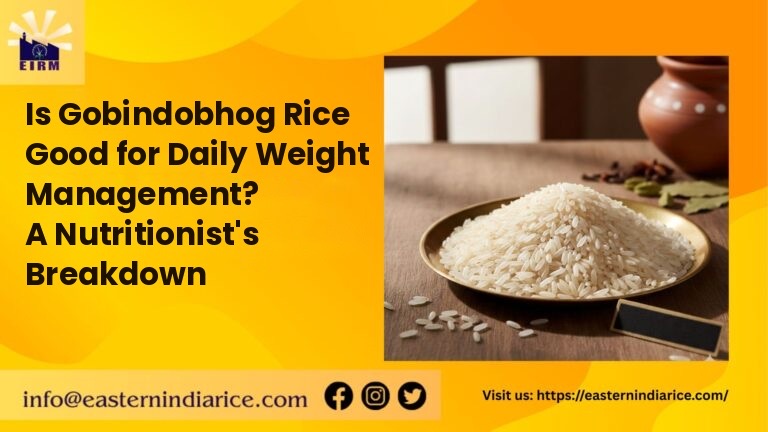
Is Gobindobhog Rice Good for Daily Weight Management? A Nutritionist’s Breakdown

Gobindobhog-rice-India

When you think of weight management, your mind might instantly jump to salads, oats, or bland brown rice. But what if you could manage your weight while enjoying a fragrant, fluffy plate of traditional white rice? Today, we are breaking down the nutritional facts of a beloved heritage grain to answer a popular question: Is Gobindobhog rice good for your daily fitness goals? If you live in South India and want to try this premium aromatic grain, you might wonder how to find it. Many fitness enthusiasts actively look to buy gobindo bhog rice in bangalore to balance their clean eating habits with rich, traditional flavors. With mindful eating and balanced meals, Gobindobhog rice can comfortably fit into a healthy lifestyle and support your long-term wellness goals. Let us look at what makes this rice unique from a health perspective. The Nutritional Profile of Gobindobhog Rice Gobindobhog is a short-grain, aromatic white rice traditionally grown in West Bengal. If you are searching for authentic gobindo bhog rice in bangalore to elevate your daily meals, this variety is highly sought after. Unlike heavy, highly processed modern grains, it has unique properties that make it stand out. When you source high-quality grains from trusted names like Eastern India Rice Mill (MINI), you ensure that you are getting the purest form of this rice without any artificial polished shine. Can You Eat It Daily for Weight Management? The short answer is yes, but strategy matters. Many people believe all white rice causes weight gain. However, weight management is entirely about calorie balance, portion control, and food quality. Gobindobhog rice has a secret weapon: it contains a notable amount of resistant starch when cooked and cooled slightly. Resistant starch acts similarly to soluble fiber, passing through your system smoothly and helping you feel full for a longer time. To get the best results from your gobindo bhog rice in bangalore, consider using the “Plate Method”: By using premium grains from a quality brand like EIRM, you get an intense natural aroma. This rich fragrance satisfies your senses faster, which naturally prevents you from overeating! Why Smart Sourcing Matters for Clean Eating Not all rice in the market is processed equally. Adulteration or excessive chemical polishing can strip away the natural micronutrientsโ€”like Vitamin B1 and essential mineralsโ€”that support your metabolism. Choosing a clean, authentic brand like EIRM guarantees that the grain retains its wholesome dietary benefits. For urban dwellers tracking their daily macros, convenience is just as important as quality. Finding authentic regional grains used to be difficult, but today, you can comfortably explore gobindo bhog rice in bangalore online to get fresh batches delivered directly to your kitchen. Quick Nutritionist Tips for Daily Cooking To maximize your fitness goals with this aromatic grain, keep these simple cooking habits in mind: The Final Verdict Rice is an important part of everyday meals in many Indian homes. However, people who are trying to manage their weight often wonder if they should reduce or avoid rice completely. Among the many rice varieties available, gobindo bhog rice in bangalore has become increasingly popular because of its rich aroma, soft texture, and traditional value.  You do not have to give up your love for comforting, aromatic rice to stay in shape. When eaten in measured quantities alongside proteins and fiber, this heritage grain fits perfectly into a balanced lifestyle. If you are ready to upgrade your daily meals, you can easily look up gobindo bhog rice in bangalore online to start your healthy habit today. Eat mindfully, choose pure grains, and enjoy your fitness journey!

How to Source Premium Rice from Eastern India: A Wholesaler’s Guide

b2b-rice-sourcing-eastern-india-banner

Sourcing premium rice from Eastern India comes down to five checks: verified milling infrastructure, moisture content below 14%, adequate stock aging, transit-grade packaging, and commercial terms settled in writing. The region, centred on West Bengal, grows short-grain aromatic varieties such as Gobindobhog alongside staples like Miniket and Baskati, which is why wholesalers shortlisting a rice supplier in India often start here. This guide covers each check in order. Why do wholesalers source rice from Eastern India? West Bengal is consistently among India’s largest rice-producing states, and its Gangetic alluvial soil supports aromatic varieties that are difficult to grow elsewhere. Gobindobhog, the region’s signature short-grain aroGobindobhog is the regionโ€™s signature short-grain aromatic rice. It holds Geographical Indication status (GI No. 531). For a wholesaler this matters in demand terms. Short-grain aromatic rice serves festival cooking, Bengali sweets such as payesh, temple bhog, and regional short-grain biryani styles. Long-grain staples do not cover those segments. Sourcing close to the growing belt also shortens the chain between farm, mill and warehouse, which reduces handling and blending risk. Which rice varieties should wholesalers source from this region? Three varieties carry most of the wholesale demand from Eastern India. Gobindobhog – A short-grain, white, aromatic rice with a naturally sweet, buttery flavour. It is used in Bengali festival cooking, payesh and bhog, and in short-grain biryani formats. Aged stock develops a stronger aroma and cooks less sticky, so always ask for the harvest year and how long the lot has been held. Miniket – A slender long-grain white rice for everyday meals. It is light, digests easily and moves in high volumes, which makes it a dependable base SKU for retail and hotel supply. Baskati – A long-grain variety that stays separate and non-sticky after cooking, which suits biryani and fried rice preparation at volume. How do you verify quality before a bulk order? Test a sample from the exact lot you intend to buy, not a showcase sample. Check three things. First, moisture: it should be below 14% for safe storage. Anything higher risks mold and insect activity in transit and warehousing. Second, uniformity: mills running colour sortex lines deliver grain free of broken kernels, stones and discoloured grains, so ask whether sorting happens in-house. Third, age: freshly harvested aromatic rice has not yet developed its full aroma or cooking texture, so confirm the crop year and the aging period of the stock on offer. Alongside the physical checks, ask for the mill’s FSSAI licence number and batch test reports where available. A supplier that documents its lots is easier to hold to a specification later. What packaging protects bulk rice in transit? Rice absorbs ambient moisture, so packaging is a quality decision before it is a branding one. PP (polypropylene) bags give standard moisture protection at volume. BOPP bags add print quality and durability for retail-facing stock. Jute suits traditional markets and breathable storage, particularly where buyers repack locally. Match the bag to the humidity of the destination market, not just the price sheet. Which commercial terms should you settle before ordering? Put minimum order quantity, credit terms, delivery timelines and the dispute process in writing before the first consignment. Confirm MOQ per variety rather than per order, since aromatic and staple lines often carry different thresholds. Agree who bears transit risk and how shortages or damaged bags are compensated. Clear terms cost nothing upfront; unclear terms surface as disputes during festival-season peaks, exactly when replacement stock is hardest to arrange. Which sourcing mistakes cost wholesalers money? Chasing the lowest quoted price is the most expensive habit in rice sourcing. Unusually cheap lots often signal older stock blended with broken or low-grade grain. Ignoring the crop year is the second mistake: aroma and texture depend on aging, and a fresh lot sold as aged stock will underperform in the kitchen. The third is skipping the sample stage. A bulk order placed on a photograph is a bulk problem waiting to arrive. Sourcing aged Gobindobhog from Purba Bardhaman Verify the mill, the moisture, the age and the terms, and Eastern India’s aromatic varieties can anchor a wholesale line for years. Eastern India Rice Mill mills and ages Gobindobhog rice for up to two years at its unit in Purba Bardhaman, West Bengal, supplying wholesale buyers through Double D.P.ยฎ across West Bengal, Assam and Kerala, and Malik Deenarยฎ across Tamil Nadu and Karnataka. For samples, current stock age and wholesale terms, write to info@easternindiarice.com. Frequently asked questions

Does 1kgโ€“5kg Premium Rice Packaging Improve Retailer Profit Margins?

Gobindobhog-rice-India

Selling rice in 1kg to 5kg packs usually earns a retailer a better profit margin than selling the same rice loose from 25kg or 50kg sacks. Smaller premium packs support higher per-kilogram pricing, they cut spillage and spoilage, and they turn over faster among the smaller households that now dominate urban buying. For a specialty grain like Gobindobhog rice, the effect is larger still, because shoppers already treat it as a premium purchase rather than a daily commodity. Here is what actually drives the margin difference, and why aromatic rice sits at the top of the list. Why do smaller packs earn a higher margin than loose sacks? A sealed 1kg or 2kg pouch signals hygiene, and shoppers pay for that signal. Rice sold loose from an open sack invites dust, moisture, and pests, so it reads as a low-value commodity and forces you to compete on price alone. A clean, sealed, labelled pack lets you position the same grain as a quality product and hold a firmer retail price. The gap between your bulk buying rate and that shelf price is your margin, and packaging is what widens it. Packaging also carries the information a premium shopper checks before buying: variety, net weight, and packing details. India’s food-labelling rules under the Food Safety and Standards Authority of India require this on packaged food, so a compliant pack does double duty. It builds buyer trust and keeps your store on the right side of regulation. How does packaging reduce a retailer’s losses? Loose rice leaks money. Every scoop spills a little, the top layer draws moisture, and the bottom of a long-standing sack attracts pests. In retail, spilled and spoiled rice is spilled and spoiled cash. Airtight 1kg to 5kg packs remove almost all of that: no scooping loss, longer shelf life, and stock you can count in seconds during inventory. Lower shrinkage means more of what you buy actually reaches the till as revenue. Smaller packs also match how families shop today. Fewer households buy 50kg sacks now; urban buyers want 1kg, 2kg, or 5kg sizes that fit a kitchen shelf and a weekly budget. Smaller units sell more often, which speeds up your stock rotation and your return on each purchase. A shopper who finishes a 2kg pack in a fortnight returns twice as often as one working through a 25kg sack. Why is Gobindobhog rice a high-margin product for shops? Gobindobhog is a short-grain aromatic rice native to the Bardhaman region of West Bengal, and it carries a Geographical Indication tag, GI registration No. 531, which legally reserves the name for rice of that variety and origin. That protected status is exactly why it commands a premium. Buyers associate the name with a specific aroma, a buttery taste, and genuine provenance, not with generic white rice. Common milled rice competes on volume and thin margins. A specialty aromatic rice does not. People buy Gobindobhog for festivals, pujas, biryani, ghee rice, and payasam, and they accept a higher price for it. That demand is now growing well beyond Bengal into Kerala, Tamil Nadu, and Karnataka, and export interest is rising too, supported by the quality-grading and export facilitation offered through APEDA. For a retailer, stocking a recognised aromatic variety in neat retail packs turns a basic staple into a high-value line that does not sit on the shelf. Feature of packaged rice Impact on retailer margin Sealed, labelled packs Supports higher shelf pricing Airtight 1kg-5kg sizes Near-zero spillage and spoilage Smaller pack sizes Faster turnover, quicker ROI Specialty aromatic variety Premium pricing vs commodity rice The bottom line Moving your rice from loose sacks to 1kg-5kg premium packs improves retail margins on three fronts at once. You can charge more for a clean, labelled product. You lose far less stock to spillage and spoilage. And you sell faster to the small households that drive most urban rice buying. With a specialty grain like Gobindobhog, every one of those effects is amplified, because the variety already carries premium expectations and protected-origin credibility. Instead of fighting for paise on loose commodity rice, you are selling a retail-ready product that customers reach for without hesitation. If you are planning your shelves for the coming year, small-pack aromatic rice is one of the simplest margin upgrades available to a grocery store or supermarket. To stock aged Gobindobhog rice in retail-ready 1kg-5kg packs, enquire with Eastern India Rice Mill for wholesale rates in your state. FAQ

The Secret Behind the Distinct Aroma of Authentic Gobindo bhog Rice

Gobindobhog-rice-aroma

Gobindo bhog rice’s signature aroma comes from 2-acetyl-1-pyrroline (2-AP), a naturally occurring aroma compound also found in popcorn and fresh bread. Gobindo Bhog forms this compound most strongly in Purba Bardhaman, West Bengal. Aging after harvest and low-heat milling protect it. These steps keep the aroma intact until the rice reaches the buyer. What Compound Causes the Aroma in Gobindo bhog Rice? The aroma compound is 2-acetyl-1-pyrroline (2-AP), discovered in 1982 by Buttery and co-workers, who identified it as the principal compound imparting the pleasant aroma to basmati and other scented rice varieties. This popcorn-like aroma compound also appears in pandan leaf and popcorn. 2-AP is chemically unstable. Pure 2-AP degrades within about 10 minutes at room temperature, which is why handling after harvest โ€” not just the rice variety itself โ€” determines whether the aroma survives to the consumer. Why Is Gobindo bhog Rice More Aromatic Than Other Rice Varieties? Three factors compound on top of the genetics: Is Gobindo bhog a Legally Protected Rice Variety? Yes. Gobindo bhog holds Geographical Indication (GI) registration No. 531 in India. The Government of West Bengal filed the GI application in August 2015. After the GI tag, no other region or variety can legally sell rice as โ€œGobindo Bhog”. This means the name itself is a sourcing guarantee, not a marketing term โ€” comparable to Darjeeling tea or Champagne in how the law treats it. Does Aging Rice After Harvest Increase Its Aroma? Yes, within limits. Freshly harvested Gobindo bhog paddy is not at peak aroma. Controlled aging reduces internal grain moisture and stabilizes aromatic oils that would otherwise dissipate. Under-aged rice loses fragrance; rice aged too long in poor storage conditions goes stale. The aging window is a quality variable that differs between producers โ€” it is not standardized across the category. Why Does Milling Temperature Affect Rice Aroma? Because 2-AP degrades rapidly at room temperature, and high-friction milling generates heat well above that threshold. Milling that runs too hot or too fast can destroy aroma compounds that months of proper aging worked to concentrate. This is a documented mechanism, not a brand claim โ€” it follows directly from 2-AP’s known instability. FAQs

How Climate and Soil Conditions Influence the Quality of Gobindo Bhog Rice

climate and soil Gobindo Bhog

Rice is not just food in India; it is a celebration of flavor, culture, and tradition. Among the many varieties grown across the country, one short-grain white rice stands out for its rich, buttery taste and heavenly fragrance. This variety is none other than Gobindo Bhog rice. Often called the “Prince of Rice,” it holds a special place in sweet dishes, festive offerings, and savory meals alike. If you have ever enjoyed a rich, aromatic bowl of biryani made with this short grain, you know it is a truly special biryani rice. But have you ever wondered what makes this grain so magical? The secret lies deep within the nature of its birthplaceโ€”specifically, the perfect mix of climate and soil conditions.  At Eastern India Rice Mill (MINI), we believe that understanding the journey of the grain from the farm to your plate makes every bite taste even better. Let us explore how mother nature shapes this exquisite grain. The Right Soil: The Foundation of Taste Gobindo Bhog quality depends on where farmers grow it. The grain thrives in the fertile plains of West Bengal. It does best in Burdwan district, the rice bowl of the region. The soil here is alluvial soil, which means it is rich in organic matter and natural nutrients washed down by the river systems. This unique soil behaves like a natural sponge. It holds onto water just long enough to give the rice crops steady nourishment without drowning the roots. The minerals present in this alluvial soil are exactly what give the rice its signature sweet, buttery flavor profile. Other regions cannot easily copy this soil. Special Gobindo Bhog rice manufacturers in India therefore buy paddy from these zones. Direct sourcing keeps the taste authentic. The Ideal Climate: Crafting the Sweet Aroma If soil gives the rice its taste, the climate gives it that unmistakable, mouth-watering fragrance. Gobindo Bhog is a unique crop. Farmers traditionally grow it a bit later in the season. They sow it in the Kharif (monsoon) season and carry it into the cooler months. This specific weather cycle ensures that when you open a bag of rice packed by EIRM, the natural perfume fills your kitchen instantly. Water and Natural Protection Because Gobindo Bhog is planted slightly later than standard rice varieties, it escapes the harsh, heavy downpours of the early monsoon that often damage younger crops. The gentle, residual moisture left in the soil and air is just right. Additionally, this late-timed climate naturally protects the crop. The cooler weather patterns mean fewer pests and insects attack the fields. Farmers do not need to rely on heavy chemicals or artificial pesticides. This allows the rice to grow naturally, maintaining its pure, clean, and healthy properties. Top gobindo bhog rice suppliers in india value this natural purity because it ensures the grain remains easily digestible and safe for families.  Why Choose EIRM for Your Kitchen? Sourcing the absolute best version of this regional treasure requires expertise and deep roots in the farming community. As a trusted name in the industry, EIRM works closely with experienced local farmers who have spent generations mastering this delicate agricultural art. We pick only high-grade seeds and ensure that the rice goes through a careful aging process under controlled settings. Aging the rice allows the grains to dry out evenly, which helps them cook beautifully without becoming mushy, while making the aroma even stronger.  Conclusion The unmatched quality, sticky texture, and divine fragrance of Gobindo Bhog rice are gifts of perfect weather and nutrient-rich alluvial earth. It is a grain crafted by nature and perfected by tradition. Whether you are cooking a celebratory festive pulao, a comforting bowl of sweet payesh, or experimenting with a regional twist on a special biryani rice, choosing the right grain makes all the difference. By blending natureโ€™s best conditions with strict quality control, Eastern India Rice Mill (MINI) ensures that every bag delivered to your home carries the genuine heritage of Bengal’s finest fields. FAQ   

Gobindo Bhog Rice Nutrition Facts: Calories, Carbs, and Health Value Explained

Gobindobhog-rice-India

If you love aromatic food, you probably know about Gobindo Bhog rice. It is a small-grain, white rice that smells heavenly. People use it to make delicious dishes like khichdi, payesh (kheer), and pulao. But did you know this tasty rice is also packed with great health value? When looking for the best quality grain, it is essential to trust the top special gobindo bhog rice manufacturers in india. They ensure that the rice retains its natural nutrition, unique buttery flavor, and authentic aroma from the farm to your plate. Let us dive deep into the nutrition facts, calories, carbs, and health benefits of Gobindo Bhog rice to understand why it deserves a spot in your daily kitchen. What is Gobindo Bhog Rice? Gobindo Bhog is a premium, short-grain aromatic rice. It is named after its traditional use in preparing offerings for Lord Govinda. Because of its superb quality and sweet scent, it has received a Geographical Indication (GI) tag. Brands like Eastern India Rice Mill (MINI) bring you this authentic grain with its nutrients completely intact, ensuring you get the maximum health value with every single bite. Nutrition Breakdown: Calories and Carbs Many people think that white aromatic rice is just empty starch. That is not true! Gobindo Bhog rice provides clean, easily digestible energy. Here is what you get in a standard serving of about 100 grams of raw Gobindo Bhog rice: The Role of Carbohydrates As you can see, this rice is rich in healthy carbohydrates. These carbs are complex, meaning they break down slowly to give your body steady energy throughout the day. It is an excellent fuel source for kids, athletes, and anyone with an active lifestyle. Low in Fat and Sodium If you want to maintain a healthy weight or take care of your heart, this rice is a great option. It has almost zero fat and very low sodium content, which helps keep your blood pressure levels in check. Trusting experienced gobindo bhog rice suppliers in india ensures you get pure, unadulterated grains that keep these heart-healthy traits alive. Top Health Value and Benefits Gobindo Bhog rice is more than just comfort food. It brings several health benefits to your dinner table: Cooking It Right for Maximum Nutrition To keep the health value high, cook your rice using the boiling method. Try to avoid discarding the excess water if you want to save all the water-soluble vitamins. Alternatively, you can use a measured amount of water (usually a 1:2 rice-to-water ratio) so the grains absorb everything perfectly. Pairing a hot bowl of Eastern India Rice Mill (MINI) Gobindo Bhog rice with lentils (dal) and a side of fresh vegetables creates a completely balanced meal filled with protein, fiber, and vitamins. Buying Guide: Finding the Best Rice Because of its high demand, the gobindo bhog rice price in india can vary depending on the season and the purity of the grain. Sometimes, cheaper versions are mixed with lower-grade short rice that lacks the authentic aroma. To avoid this, always check the packaging carefully. Choosing premium brands like EIRM guarantees that you are getting 100% pure, single-origin grains. As trusted gobindo bhog rice suppliers in india, they make sure that you get the best value for your money. Conclusion Gobindo Bhog rice is a delightful combination of taste, aroma, and good health. It gives you long-lasting energy, is gentle on the stomach, and provides essential nutrients to support your body’s wellness. When you purchase from the best special gobindo bhog rice manufacturers in india, you invest in your familyโ€™s overall health. Bring home a pack today, cook a steaming bowl, and enjoy the perfect balance of pure nutrition and incredible taste! FAQ

Scroll to Top