Sourcing premium rice from Eastern India comes down to five checks: verified milling infrastructure, moisture content below 14%, adequate stock aging, transit-grade packaging, and commercial terms settled in writing. The region, centred on West Bengal, grows short-grain aromatic varieties such as Gobindobhog alongside staples like Miniket and Baskati, which is why wholesalers shortlisting a rice supplier in India often start here. This guide covers each check in order.
Why do wholesalers source rice from Eastern India?
West Bengal is consistently among India’s largest rice-producing states, and its Gangetic alluvial soil supports aromatic varieties that are difficult to grow elsewhere. Gobindobhog, the region’s signature short-grain aroGobindobhog is the region’s signature short-grain aromatic rice. It holds Geographical Indication status (GI No. 531).
For a wholesaler this matters in demand terms. Short-grain aromatic rice serves festival cooking, Bengali sweets such as payesh, temple bhog, and regional short-grain biryani styles. Long-grain staples do not cover those segments. Sourcing close to the growing belt also shortens the chain between farm, mill and warehouse, which reduces handling and blending risk.
Which rice varieties should wholesalers source from this region?
Three varieties carry most of the wholesale demand from Eastern India.
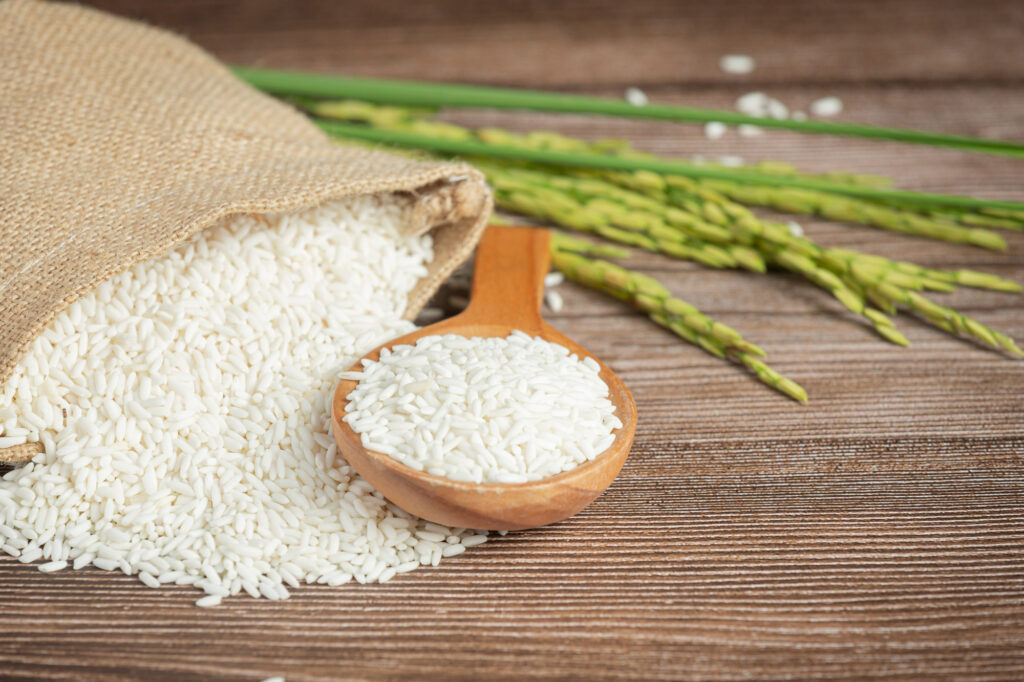
Gobindobhog – A short-grain, white, aromatic rice with a naturally sweet, buttery flavour. It is used in Bengali festival cooking, payesh and bhog, and in short-grain biryani formats. Aged stock develops a stronger aroma and cooks less sticky, so always ask for the harvest year and how long the lot has been held.
Miniket – A slender long-grain white rice for everyday meals. It is light, digests easily and moves in high volumes, which makes it a dependable base SKU for retail and hotel supply.
Baskati – A long-grain variety that stays separate and non-sticky after cooking, which suits biryani and fried rice preparation at volume.
How do you verify quality before a bulk order?
Test a sample from the exact lot you intend to buy, not a showcase sample.
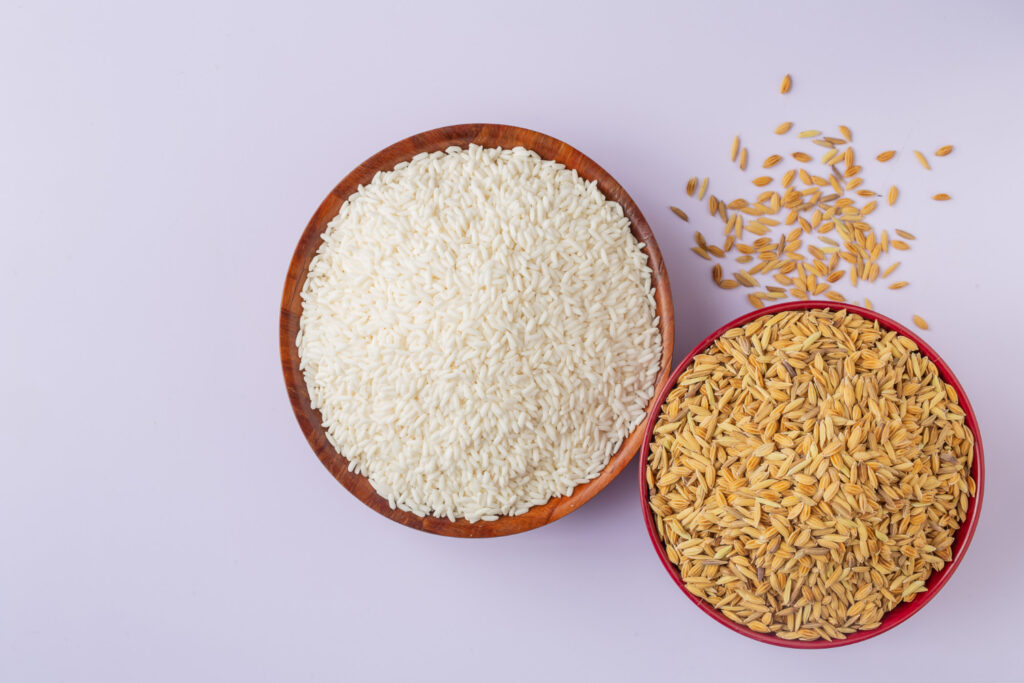
Check three things. First, moisture: it should be below 14% for safe storage. Anything higher risks mold and insect activity in transit and warehousing. Second, uniformity: mills running colour sortex lines deliver grain free of broken kernels, stones and discoloured grains, so ask whether sorting happens in-house. Third, age: freshly harvested aromatic rice has not yet developed its full aroma or cooking texture, so confirm the crop year and the aging period of the stock on offer.
Alongside the physical checks, ask for the mill’s FSSAI licence number and batch test reports where available. A supplier that documents its lots is easier to hold to a specification later.
What packaging protects bulk rice in transit?
Rice absorbs ambient moisture, so packaging is a quality decision before it is a branding one.
PP (polypropylene) bags give standard moisture protection at volume. BOPP bags add print quality and durability for retail-facing stock. Jute suits traditional markets and breathable storage, particularly where buyers repack locally. Match the bag to the humidity of the destination market, not just the price sheet.
Which commercial terms should you settle before ordering?
Put minimum order quantity, credit terms, delivery timelines and the dispute process in writing before the first consignment.
Confirm MOQ per variety rather than per order, since aromatic and staple lines often carry different thresholds. Agree who bears transit risk and how shortages or damaged bags are compensated. Clear terms cost nothing upfront; unclear terms surface as disputes during festival-season peaks, exactly when replacement stock is hardest to arrange.
Which sourcing mistakes cost wholesalers money?
Chasing the lowest quoted price is the most expensive habit in rice sourcing. Unusually cheap lots often signal older stock blended with broken or low-grade grain. Ignoring the crop year is the second mistake: aroma and texture depend on aging, and a fresh lot sold as aged stock will underperform in the kitchen. The third is skipping the sample stage. A bulk order placed on a photograph is a bulk problem waiting to arrive.
Sourcing aged Gobindobhog from Purba Bardhaman
Verify the mill, the moisture, the age and the terms, and Eastern India’s aromatic varieties can anchor a wholesale line for years.
Eastern India Rice Mill mills and ages Gobindobhog rice for up to two years at its unit in Purba Bardhaman, West Bengal, supplying wholesale buyers through Double D.P.® across West Bengal, Assam and Kerala, and Malik Deenar® across Tamil Nadu and Karnataka. For samples, current stock age and wholesale terms, write to info@easternindiarice.com.
Frequently asked questions
Look for mills located in West Bengal’s Gobindobhog belt that run their own sortex lines, hold FSSAI licensing and can document stock aging. Eastern India Rice Mill, based in Purba Bardhaman, supplies aged Gobindobhog to wholesale buyers in five states through its Double D.P.® and Malik Deenar® brands.
Yes. Purba Bardhaman district is the centre of Gobindobhog cultivation, so mills based there procure paddy at source. Eastern India Rice Mill operates as a rice supplier in West Bengal from Vill. Malkita, Purba Bardhaman, milling and aging stock within the district where the variety is grown.
Yes, when distribution is split by brand and region. Eastern India Rice Mill supplies Double D.P.® across West Bengal, Assam and Kerala, and Malik Deenar® across Tamil Nadu and Karnataka, so a single Purba Bardhaman milling source serves all five states through two regional lines.
Thalassery biryani is traditionally cooked with jeerakasala (kaima), a short-grain aromatic rice, not long-grain basmati. Aged Gobindobhog shares this short-grain aromatic profile and serves the same biryani and festival demand in Kerala. Eastern India Rice Mill supplies the state through its Double D.P.® brand.
Bengaluru’s donne biryani is traditionally made with short-grain seeraga samba rather than basmati, so short aromatic grains define the local style. Aged Gobindobhog belongs to the same short-grain aromatic category and cooks non-sticky. Buyers searching for a rice supplier in Bengaluru or across Karnataka can source it through the Malik Deenar® brand.