Eastern India Rice Blog

Gobindo bhog rice manufacturers

Why Fake Rice Brands Thrive, and How to Trace the Mill
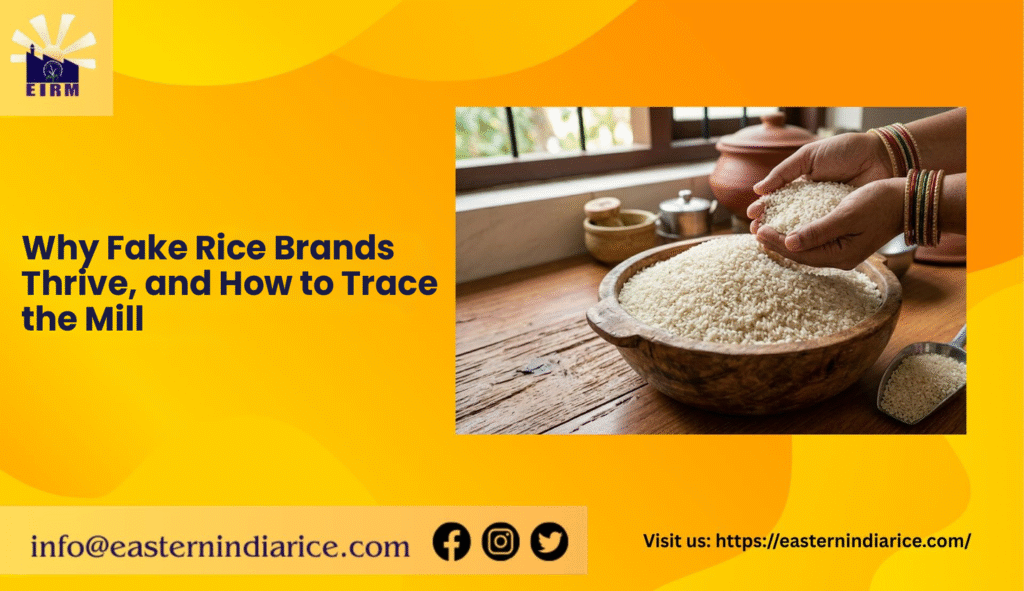
fake rice brands

Fake rice brands thrive because the rewards are high, the barriers are low and most buyers cannot verify what is inside a bag. The way to beat them is traceability: tracing a packet back to the mill that produced it. Every real rice brand has a physical mill, a licence and a paper trail. Every fake brand has a gap where that trail should be. This article explains why counterfeit and lookalike rice brands survive in India’s markets and gives you a practical six-step method to trace any packet. The FSSAI licence verification system (FoSCoS) is one of the main public tools you will use. Why fake rice brands thrive 1. The price gap is large. Premium aromatic rice sells well above ordinary rice. A seller who can repack cheaper grain into a premium bag keeps the difference as profit. 2. Rice is hard to judge by eye. Most buyers cannot tell variety, aging or blending from a glance. Unlike a phone or a shirt, the product does not show its quality until it is cooked, by which time the bag is open and the shop is far away. 3. Packaging is easy to copy. A bag, a printed logo and a stitch machine cost little. Small print shops can produce lookalike packs quickly, and a changed letter or two keeps the copy just far enough from the original to look innocent. 4. Supply chains have many layers. Rice often passes through mills, agents, wholesalers, sub-wholesalers and retailers. Each hand-off is a chance to swap, mix or repack. The more layers, the less anyone knows what the original bag held. 5. Festivals create rushed buying. Durga Puja, Onam, Dasara, Diwali and wedding seasons raise demand sharply. Buyers shop in a hurry, stock moves fast and checking gets skipped. 6. Loose rice hides the source. Rice sold loose from open sacks has no label, no batch and no mill address. Branded bags get refilled with whatever is available. 7. Enforcement is hard at small scale. Regulators and brand owners cannot inspect every shop. Small-volume fraud often goes unnoticed, and online listings add another channel where product photos, not product quality, drive sales. 8. Honest brands rarely show their trail. If a brand does not print a mill address or batch details, it makes it easier for copies to hide among the genuine packs. What fake brands cost everyone Buyers pay premium prices for ordinary rice. Retailers lose customers when a bad batch disappoints. Caterers lose reputation when a feast is ruined. The real mill loses trust for products it did not make. The damage compounds because disappointed buyers rarely blame the counterfeiter, whom they cannot identify. They blame the brand on the bag. How to trace the mill: six steps Step 1: Read the pack fully. Find the brand name, manufacturer or packer name, address, FSSAI licence number, batch number and packing date. Photograph the label. If key items are missing, that is already a finding. Step 2: Verify the FSSAI licence. Enter the 14-digit licence number on the FSSAI FoSCoS licence verification page. Check that the business name, address and product category match the pack. A licence that belongs to a different business or a different place is a mismatch. Step 3: Locate the mill address. Search the printed address on a map. A real mill address should resolve to an industrial or agricultural area, not a vague residential lane. Eastern India Rice Mill, for example, prints its mill location in Purba Bardhaman, West Bengal, which makes verification straightforward. Step 4: Check the brand name. Search the brand name and logo in the trademark public search maintained by IP India. A registered brand will be listed with its owner. If the pack’s owner name differs from the registry listing, ask why. Step 5: Contact the brand and the distributor. Send the batch number and a photo of the pack to the brand’s official contact. Ask whether the batch exists and which distributor serves your area. A genuine brand will usually confirm quickly. Also check whether your retailer buys from an authorised distributor and can show a bill. Step 6: Keep a record. For businesses, retain the invoice, a photo of the bag and a sealed sample from each delivery. If a future batch behaves differently, you have a baseline and a paper trail. What a traceable brand looks like A traceable brand has a printed mill address and licence number, batch codes on every bag, a working website and phone line, authorised distributors it can name, and a willingness to answer questions about aging and grain. It also avoids claims it cannot support. Honest labelling is a sign of confidence in the product. A note on exports Exporters of Indian rice are expected to be registered with APEDA, the Agricultural and Processed Food Products Export Development Authority, and to hold the necessary export documentation. If you are an overseas buyer, ask any supplier for their registration, licence and mill details before ordering. The same traceability logic applies across borders, and varieties differ by market: jasmine rice, for example, is a long-grain Thai-origin variety and is a different product from Gobindobhog. Conclusion Fake rice brands thrive in the gaps: price gaps, information gaps and supply chain gaps. You close those gaps by following the paper trail. Read the pack, verify the FSSAI licence, locate the mill, check the brand registration, ask the brand and keep records. A rice that can be traced is a rice that can be trusted, and a brand that welcomes the trace is one worth buying from. Eastern India Rice Mill (EIRM) is a Gobindobhog rice manufacturer based in Purba Bardhaman, West Bengal, and it sells under two brands: Double D.P.® and Malik Deenar®. Double D.P.® is supplied across West Bengal, Kerala and Assam, while Malik Deenar® serves Karnataka and Tamil Nadu. Every pack carries the EIRM mill name and contact details, so buyers and retailers can trace the rice back to its source. To confirm …

Why Fake Rice Brands Thrive, and How to Trace the Mill Read More »
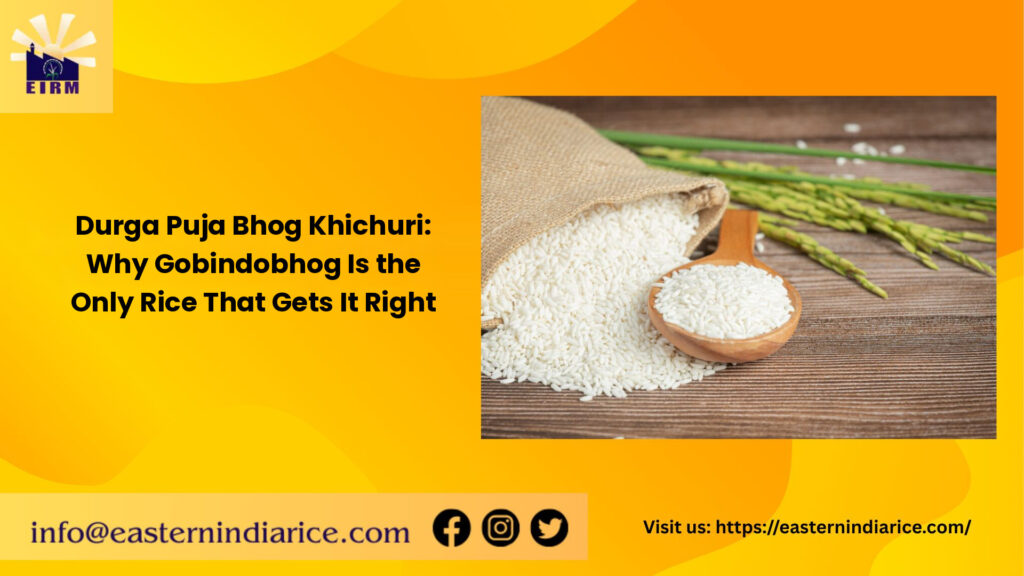
Durga Puja Bhog Khichuri: Why Gobindobhog Is the Only Rice That Gets It Right

durga-puja-bhog-khichuri

Gobindobhog is the rice that makes Durga Puja bhog khichuri taste the way Bengal remembers it: soft, fragrant, glossy with ghee, and never mushy. Every autumn, pandals across West Bengal and Bengali homes across India serve this khichuri as the central bhog offering. The dish looks simple, but it is unforgiving. The wrong rice turns it dry, sticky or flavourless. Gobindobhog is a short, rounded, aromatic variety that is listed in the Geographical Indications registry maintained by IP India as a rice of West Bengal. That recognition exists because the grain behaves differently in the pot, and bhog khichuri is the dish where that difference shows the most. What makes bhog khichuri different from everyday khichuri Everyday khichuri is a comfort meal. Bhog khichuri is an offering. It is cooked without onion and garlic, uses roasted moong dal, ghee, ginger, cumin, bay leaf and a small set of seasonal vegetables such as cauliflower, potato and green peas. Because the ingredient list is short, nothing hides behind masala. The fragrance of the rice itself carries the dish. That is why the grain choice is not a matter of habit. It is a matter of structure. Bhog khichuri needs grains that soften fully, bind gently with the dal, and still stay individually visible on the leaf plate. Few rices manage all three. Why the grain decides the dish Gobindobhog has a short, rounded shape, which is often misdescribed as long and slender. It is nothing like basmati. The grain is small and plump, and it carries a natural, sweet aroma that comes from aroma compounds such as 2-acetyl-1-pyrroline, which researchers have studied widely in scented rices (you can browse the published work on NCBI PubMed). Three properties matter for khichuri: Why basmati and other rice fall short Many kitchens outside Bengal substitute basmati because it is familiar. The result is a different dish. Basmati’s long, slender grains cook dry and separate. Its strong, distinct perfume competes with ghee and roasted dal instead of blending with them. The finished plate looks like pulao with dal, and it lacks the soft, spoonable texture of a proper bhog. Plain non-aromatic short-grain rice has the opposite problem. It binds well but tastes flat, and the dish loses the festive fragrance that makes it feel like prasad. Gobindobhog sits in the narrow gap where texture and aroma both work. The role of aging Aged rice is a trade secret in many Bengali kitchens and mills. Freshly harvested rice holds more moisture and cooks stickier. After months of aging, the grain dries gently, absorbs water more evenly and holds its shape better in the pot. For a dish that is stirred, simmered and served in large quantities, that stability matters. It is the reason traditional buyers ask how old the rice is before they ask what it costs. How to cook bhog khichuri with Gobindobhog Treat these as guide values, since grain age and dal type change the water needs. What to serve with it The classic Durga Puja plate pairs khichuri with labra (mixed vegetable curry), begun bhaja (fried aubergine), tomato chutney, papad and payesh. The payesh is worth noting: it is also traditionally made with Gobindobhog, which is one more reason this single variety quietly runs the whole festival menu. A buying checklist before Puja Festival demand brings lookalike packs into the market, so check before you buy: Conclusion Bhog khichuri is a test of ingredients, and rice is the biggest one. Gobindobhog passes because its small, aromatic, soft-cooking grain matches what the dish asks for: fragrance, body and a gentle bind with roasted dal. Basmati makes a different dish and plain rice makes a flat one. This Durga Puja, check the grain, smell it, read the pack and cook it slowly. Done right, the khichuri will taste like the festival itself. Frequently Asked Questions

Fake Brand Rice vs Mixed Grain: What’s Inside the Packet

fake-brand-rice-vs-mixed-grain

Fake brand rice and mixed grain are two different problems, and knowing the difference helps you protect your money and your meals. Fake brand rice is about the bag: a lookalike pack that borrows a trusted name. Mixed grain is about the rice: premium grain blended with cheaper grain. A bag can be fake and filled with ordinary rice, or carry a genuine-looking label while hiding a blend. Both are forms of misbranding, which the Food Safety and Standards Authority of India regulates under the Food Safety and Standards Act, 2006. This guide explains what is inside each type of packet and how to tell them apart. Three situations that get called “fake rice” Situation What it means Where the problem sits Fake brand rice A copy of a known brand’s pack, usually filled with cheaper rice Packaging and trademark Mixed grain Premium rice blended with lower-grade or different-variety rice The grain itself Substituted variety A different rice sold under the name of a premium variety Labelling and claims These overlap in the market, but each leaves different clues. What is usually inside a fake brand packet A counterfeit pack typically holds ordinary non-aromatic rice, or a different aromatic variety, repacked to look like the brand. The seller’s profit comes from the gap between the premium price of the brand and the cost of the filler grain. Inside you may find: The packet often looks convincing. The rice rarely survives a cooking test. What mixed grain looks like Mixed grain is harder to catch because the pack can be genuine while the contents are not consistent. Common patterns include: Premium plus filler. A portion of real Gobindobhog is blended with cheaper rice so the bag still smells right on opening but cooks unevenly. Variety mixing. Short-grain rices such as Kalijira, local short-grain types or South Indian aromatic varieties like Jeerakasala and Jeerasambha (Seeraga Samba) are sometimes mixed or substituted. These are good rices in their own right. The issue arises only when they are sold as Gobindobhog. Each variety has its own aroma, grain size and cooking behaviour. Broken-grain loading. Excess broken rice is added to cut cost. It cooks mushy and releases starch, which makes biryani and pulao sticky. Old and new blending. New-crop rice mixed into aged rice. The batch looks uniform but cooks inconsistently, because new rice absorbs less water and softens differently. Why this matters beyond price In most cases the harm is economic: you pay for a premium grain and receive less. But there are practical effects too. Food regulation treats misbranded and adulterated food seriously, which is why proper labelling matters. Counterfeit packaging may also breach trademark law, which protects registered brand names and logos. How to tell them apart at home Look first. Spread the rice on a white plate. A real aged Gobindobhog sample is short, rounded, creamy and fairly uniform. A mixed sample shows more than one grain shape, colour or size, plus many broken pieces. Smell next. Natural aroma is gentle and sweet, and it stays through cooking. Artificial scent is sharp up front and fades fast. Smell the rice both dry and after cooking. Cook a test portion. Cook one cup normally and watch: Compare with a sealed reference. If you buy regularly, keep a small sealed sample of a batch you trust. Any future batch should look, smell and cook the same. Reading the pack for clues A genuine pack and a mixed or counterfeit pack can look alike, but the fine print differs. Check for a clear brand spelling, FSSAI licence number, mill address, batch details and net weight. Be cautious of packs with a claim like “special”, “premium” or “imported” but no information about who milled the rice. A brand that is proud of its source tells you the source. How to buy so you avoid both problems Conclusion Fake brand rice is a pack problem. Mixed grain is a grain problem. A smart buyer checks both: the bag for brand and label details, and the rice for shape, aroma and cooking behaviour. If either fails, do not use the rice for an important meal. The best protection is a source that is open about where its rice is milled. Frequently Asked Questions

How to Spot a Fake Rice Bag Before You Buy

how-to-spot-a-fake-rice-bag

You can spot a fake rice bag before you buy by checking the pack first and the grain second: brand spelling, print quality, seal, label details, price and then the rice itself. Most counterfeit and lookalike rice reaches buyers through packaging that copies a trusted name closely enough to pass at a glance. Registered brands such as Double D.P.® and Malik Deenar®, both owned by Eastern India Rice Mill (EIRM), show why this matters: the more a name is trusted, the more likely it is to be imitated. The good news is that copies leave small, repeatable mistakes. This guide walks through ten checks you can finish in under two minutes. If you suspect a food product is misbranded, the FSSAI is the national regulator where such concerns can be raised. Why fake rice bags exist Premium aromatic rice sells at a clear price premium over ordinary rice. That gap gives sellers a reason to repack cheaper grain in a premium-looking bag. The problem grows during festivals and wedding seasons, when demand is high and buyers are in a hurry. A fake pack is rarely about dangerous rice. It is usually about rice that is not what the label claims, which still means you pay more for less. Genuine mills carry the cost of this problem too. A brand like Double D.P.® or Malik Deenar® builds its reputation grain by grain, batch by batch. When a lookalike bag disappoints a buyer, the buyer blames the name on the bag, not the copier. That is why a mill that prints its details openly and answers questions about its batches is easier to trust. Part 1: Checks on the bag 1. Read the brand name letter by letter. Lookalike packs often change one letter, swap the order of words or add a small extra word. Compare the spelling, punctuation and registered mark against the brand’s official website. For example, the genuine names are Double D.P.® and Malik Deenar®. A pack that reads “Double DP Gold” or “Malik Dinar” deserves a second look. 2. Look at print quality. Genuine packs have sharp logos, even colours and clean edges. Blurry text, faded ink, off-centre logos and mismatched shades suggest a poor copy. 3. Check the seal and stitching. Factory packs have uniform stitching or heat sealing. Hand-stitched, uneven, loosely resealed or re-taped bags are a warning sign. A cut or retied mouth means the bag may have been opened. 4. Find the FSSAI licence number. Packaged food must carry a 14-digit FSSAI licence number. Missing, partly printed or obviously wrong numbers are a red flag. You can check the number on the FSSAI licence verification service and confirm that the business name matches the pack. 5. Read the manufacturer address. A real address names the mill and the place. EIRM, for example, mills its Gobindobhog at source in Vill. Malkita, Purba Bardhaman, West Bengal, which gives any buyer a real location to verify. A vague line such as “packed in India” or only a post box number gives you nothing to trace. 6. Check batch and packing details. Look for a batch number, packing month or best-before information. A pack without any of these cannot be tracked if something goes wrong. 7. Confirm net weight and MRP. Legal declarations should be printed clearly and look professionally done. Stickers pasted over printed prices need an explanation. 8. Look for brand claims that do not add up. If a pack claims a rare variety, a certification or a region of origin, ask whether the seller can back it. Claims with no source are decoration. Part 2: Check the price and the seller 9. Treat a very low price as information. If premium aromatic rice is offered far below the usual market range, ask what has been left out. Cheaper grain, shorter aging, heavy blending or old stock is usually the answer. Buy from sellers who give a proper bill and stock the brand regularly. Be careful with loose rice poured from an unmarked sack into a branded bag. Part 3: Check the grain 10. Inspect and cook a sample. Spread a handful on a white plate and look at it in daylight: Know which brand belongs in your market A genuine brand also shows up in the right place. EIRM distributes Double D.P.® in West Bengal, Assam and Kerala, and Malik Deenar® in Tamil Nadu and Karnataka, including Bengaluru. If someone offers you Malik Deenar® in Guwahati or Double D.P.® in Chennai through an unknown channel, pause and verify with the mill before you buy. It may be legitimate stock moving through a new route, or it may not. A quick enquiry settles the question. Home tests that do not work Viral tests, such as burning a few grains, floating rice in water or rolling cooked rice into balls, are unreliable and often produce false alarms. Judge rice by label, source, price, grain and cooking, not by internet tricks. Where you buy matters Choose retailers who buy from authorised distributors and can tell you which mill the rice came from. For businesses, ask for invoices that trace to the mill or distributor, and keep one sealed sample from each delivery. If a later batch smells, cooks or looks different, you have a reference. What to do if you suspect a fake Stop using the pack, keep the bag and the bill, and take photos of the label, seal and batch number. Then report it. You can inform the brand directly (for Double D.P.® and Malik Deenar®, that means EIRM), raise the concern with FSSAI, or contact the National Consumer Helpline on 1915. A clear photo of the pack helps all three. Conclusion Fake rice bags succeed when buyers rush. Slow down for two minutes, read the name and label, check the seal, question the price and test the grain. These ten checks will catch most lookalikes before they reach your kitchen or your shop shelf. Buying from a source that names its mill, such as …

How to Spot a Fake Rice Bag Before You Buy Read More »

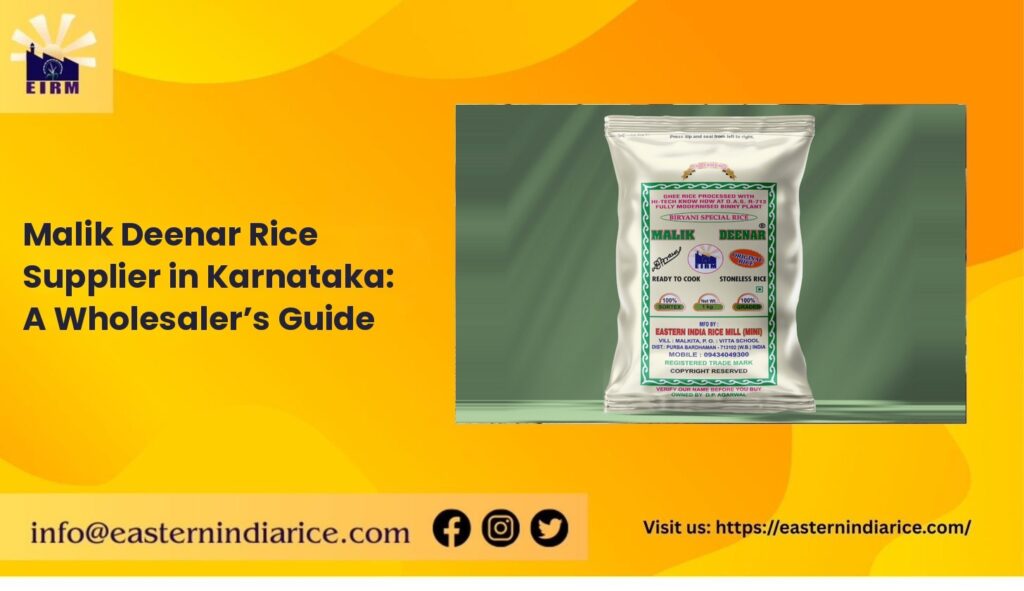
Malik Deenar Rice Supplier in Karnataka: A Wholesaler’s Guide

malik-deenar-rice-supplier-karnataka

Finding a Malik Deenar rice supplier in Karnataka is not only about getting the lowest bag rate. You need rice that cooks the same way every time, reaches your godown in clean condition, and gives your buyers confidence when they open the bag. Malik Deenar rice is manufactured by Eastern India Rice Mill in Purba Bardhaman, West Bengal. We move it in sealed 1 kg and 25 kg packs, so you can trace the stock back to one mill instead of dealing with a chain of repackers. That traceability matters. India produced 150.18 million tonnes of rice in 2024-25, but aromatic rice still needs careful buying. Your real margin depends on grain quality, bag economics, MOQ, freight, and whether the stock is original. Jeera Samba Rice and Gobindo Bhog Biryani Rice: Know the Trade Names Karnataka buyers often search for Jeera Samba rice, while Bengal buyers know Gobindo Bhog biryani rice and Gobindo bhog biryani rice. Both belong in the aromatic short-grain market, but they are not the same variety. Never present one as the other on an invoice, label, or product listing. You may also hear Seeraga Samba rice, Zeera Samba rice, Zeera Samba Rice 25kg, Jeeraga Samba rice, Jeerasambha rice, and Jeerakasala rice in southern trade. These names can vary by market and seller, so confirm the actual variety, origin, and brand before you place an order. Malik Deenar is positioned for buyers looking for aromatic short grain biryani rice.  What You Receive in Malik Deenar Every kitchen wants rice that holds its character in dum cooking. Malik Deenar carries 2 years aged rice, with lots aged up to 2 years before dispatch. Ageing supports a cleaner cooking result and helps bring out the delightful taste and aroma. Specification Malik Deenar Standard Why It Matters Grain size Grain size 4.6 to 5.2 mm Suitable for short-grain biryani rice Processing Raw, partially polished Keeps the grain closer to its natural character Soaking Soaking time 25 to 35 minutes Helps kitchens plan preparation Cooking yield 1 kg gives roughly 2.6 to 3.4 kg cooked Supports food-cost planning Origin West Bengal, Country of Origin: India Gives buyers clear source information The distinct aroma of authentic Gobindo Bhog rice comes from the rice and its handling, not from artificial fragrance. You can review the listed Malik Deenar details before you raise a purchase order. Bag Sizes, Packaging Type and Per-Kg Landed Rate A low bag price can look attractive until you calculate freight. Always compare the per-kg landed rate, not the total price of one bag. The 1 K.G. pack uses part number 8908018005111 and measures 145mm x 250mm. It works well for kirana stores and retail shelves. The 25 Kg bag uses part number 8908018005098 and measures 775mm x 710mm. At that size, you get 40 bags per tonne, which makes stock planning simple. Choose PP bag packaging type for bulk dispatch. A sound PP bag helps protect the rice during transit and storage. Before accepting a load, match the printed part number with the invoice and count your bags against the dispatch note. How to Check the Original MALIK DEENAR ® Bag Lookalike packs can create problems for your business. Do not rely on the front design alone. Gobindabhog Rice has a registered GI for West Bengal. The soil and climate affect how this regional rice develops. Use this rice purity check when you inspect a new lot. Who Buys This Rice in Karnataka? Demand comes from practical, repeat buyers. Biryani kitchens and hotels need dependable cooking results. APMC yard traders in Yeshwanthpur and New Tharagupet move fast when stock arrives as promised. Kirana stores across Mysore, Tumkur, Ballari and Raichur can steadily sell smaller packs, while caterers need confirmed stock before Ramzan and wedding season. If buyers search “rice wholesalers in Bangalore near me,” they want availability, clear pricing, and no confusion about the product. Our guide for choosing a rice supplier in Bengaluru explains this local buying pattern in more detail. MOQ, Paperwork and Storage Set your MOQ by tonnes or planned monthly movement, not guesswork. Give slab rates clearly, especially for 50 kgs and above. A rice trader and wholesaler also needs clean paperwork and proper storage before taking bulk orders. Keep your FSSAI registration or licence current. Keep GST registration ready for invoices and purchase orders. A dry, ventilated godown matters because aromatic rice can absorb nearby odours. Your rice dealership or rice distributor agreement should also state rate protection, replacement terms, and transport responsibility. India is the world’s largest producer of Rice, holding a 26.52% share of global rice production, so the paperwork around this trade has only grown tighter. Eastern India Rice Mill delivers using the fastest transport mode for your location, and traders also covering Kerala and Assam can look at our DOUBLE D.P. BRAND range alongside. Ready to Stock Malik Deenar? Your buyers remember the biryani, not the freight discussion behind it. Buy stock that protects your margin and your market name. As Gobindo Bhog rice manufacturers, Eastern India Rice Mill brings more than 10 years of rice manufacturing, more than 8 years of rice trading, and a family grain-trade legacy going back to the 1960s. Send your quantity and delivery city to Eastern India Rice Mill or call 9434049300 for the current rate. You can also buy Gobindobhog rice online to sample a lot first. Frequently Asked Questions

Double D.P. Brand Gobindo Bhog Rice: What Sets This Label Apart

Double-DP-Gobindobhog-Rice

Two bags of Gobindo Bhog rice can look almost the same. Yet, once they cook, the difference becomes clear. One fills the kitchen with a rich aroma, while the other feels ordinary. That is where Double D.P. Brand Gobindo Bhog rice makes its mark. Eastern India Rice Mill ages every batch for up to two years, uses selected short-grain rice from Bengal paddy, and packs it for buyers who need steady quality. This is not simply rice with a better label. It is rice chosen for kitchens, stores, caterers, and families that care about what reaches the plate. This Gobindobhog rice comes from Purba Bardhaman in West Bengal, a region linked with Gobindbhog Rice as a Geographical Indication product. When you buy for resale or regular cooking, the label matters because it helps buyers know what they can expect every time. What Makes Double D.P. Gobindo Bhog Rice Different? Most sellers use the same words for their rice: aromatic, short, and tasty. Still, the real test begins when the rice cooks. Double D.P. Brand focuses on the details that working kitchens and regular buyers notice. The Bengal Origin Behind Every Grain Good aromatic rice starts with the land. It does not begin at the final packing stage. Gobindo Bhog rice grows in the fertile south Damodar belt, where rice farming has supported families in West Bengal for generations. The short-grain aromatic rice is traditionally cultivated across Purba Bardhaman, Hooghly, Nadia, and Birbhum. River-fed clay soil and cooler nights support the grain’s natural buttery fragrance. The crop follows the monsoon cycle, then it is carefully de-husked to protect the aroma. Want to understand how the soil and climate affect each harvest? Eastern India Rice Mill sources from this belt, helping the origin stay clear from farm to sack. Aroma and Taste That Bring Buyers Back The signature aroma of Gobindobhog rice is easy to notice and difficult to replace. Authentic grain gives a sweet, natural smell that grows deeper while cooking. Cheap blends may smell strong at first, but their scent often fades quickly. This aromatic Bengali rice suits dishes where fragrance matters as much as flavour: Eastern India Rice Mill protects the distinct aroma through careful aging and low-heat milling. That is one reason buyers return for the same pack. Double D.P. Brand vs Ordinary Gobindo Bhog Rice Not every sack sold as Gobindo Bhog rice offers the same result. Here is what separates a sealed Double D.P. Brand pack from loose, unbranded stock. What you check Ordinary loose rice Double D.P. Brand Aging Fresh or only a few months old Aged up to 2 years Aroma Can fade after cooking Deepens through cooking Grain quality Mixed sizes and broken grains Uniform short grain, sortex clean Texture May turn sticky or pasty Fluffy and non-sticky Packaging Open sacks with no clear traceability Sealed 25kg trade packs This difference comes from a mill that does not skip aging or grading. Before choosing any sack, read our guide on how to check Gobindobhog rice purity. Where This Traditional Short-Grain Rice Fits Double D.P. Brand was made for working kitchens, but it suits home cooking just as well. This traditional short-grain rice gives you one dependable option for sweet and savoury dishes. For kitchens, stores, and homes Because it also works as Gobindo bhog biryani rice, one sack can support more than one menu. Eastern India Rice Mill also offers its sister label, Malik Deenar, under another trusted name. Nutrition and Everyday Value This aromatic rice offers more than aroma and appearance. Gobindobhog rice is easy to digest, which makes it suitable for children, elders, and people with a sensitive stomach. It provides long-lasting energy through carbohydrates, along with small amounts of protein and fiber. It is naturally gluten-free, so it can fit into many daily diets. Food quality also matters. Packaged rice must meet national food safety norms, and Eastern India Rice Mill treats this as a basic requirement. You can see the full nutrition benefits before planning your next order. Buying Double D.P. Gobindo Bhog Rice in Bulk If you need a dependable Gobindo Bhog rice supplier in Kerala, Tamil Nadu, or Karnataka, sourcing from one mill can reduce two common problems: uneven quality and unreliable supply. As an experienced Gobindobhog rice manufacturer, Eastern India Rice Mill brings 10+ years of milling and 8+ years of trading experience. The mill handles roughly 162,650 MT each year, helping it support wholesale and export orders, from a few sacks of Double D.P. Brand to a full truckload. Why Buyers Place Repeat Orders Buyers return when their Gobindo Bhog rice smells right, cooks well, and stays consistent. Double D.P. Brand Gobindo Bhog rice is built around that expectation, with two-year aging, clean short grain, and a clear Bengal origin. Whether you run a kitchen, stock a store, or want better rice for festival meals, this label reduces the guesswork. Ready to compare packs or place a bulk order? Reach out to Eastern India Rice Mill or call 9434049300 or 9593007777. Our team can help you choose the right pack and quantity. Frequently Asked Questions

Gobindo Bhog Rice in Bangalore: Where Restaurants Source Their Stock

eirm-gobindobhog-rice-bangalore

Have you noticed that Kolkata-style biryani tastes perfect at one Bangalore restaurant but feels flat at another? The difference often starts with the rice. Gobindo Bhog rice in Bangalore has become a trusted choice for kitchens that want real Bengal flavour, and the supplier matters as much as the recipe. India’s rice exports reached US$ 12.47 billion in FY25. Still, this fragrant Bengal variety remains a specialty grain. Restaurants need to source it with care if they want its natural aroma to reach the plate. At Eastern India Rice Mill, we supply authentic stock directly to kitchens across the city. Why Bangalore Kitchens Choose Gobindo Bhog Rice Bangalore has every kind of food culture, and its Bengali community keeps demand strong for familiar Bengal grains. Restaurants, hotels, cloud kitchens, sweet shops, and caterers need rice that performs the same way in every batch. Ordinary rice cannot create the taste, texture, or aroma that regular customers expect. Gobindobhog rice in Bengaluru is now used for daily service as well as special menus because it cooks quickly and carries rich flavours without taking over the dish. For steady quality, many kitchens choose one Gobindo Bhog rice supplier in Bengaluru instead of shifting between vendors. Eastern India Rice Mill supports home kitchens and commercial buyers who need a reliable rice supplier in Bengaluru every week. What Chefs Check Before They Buy Price matters, but experienced chefs check the grain first. They want to know whether it has the fragrant natural aroma, whether it cooks evenly, and whether it keeps its shape after steaming. What to check Authentic Gobindo Bhog Ordinary look-alike Grain Short, white, rounded kernel Longer, uneven, hard-polished grain Raw aroma Sweet, buttery, and clear Faint or artificially sprayed After cooking Soft, sticky, and holds shape Turns pasty or breaks up Origin proof Purba Bardhaman, GI-backed Vague or unstated Aging 2 years aged rice Fresh, sharp, and less mellow A raw sniff helps, but a small test cook tells the full story. It shows whether the grain stays soft and sticky or loses its character in the pot. Before placing bulk orders, it is wise to check purity first. At Eastern India Rice Mill, we check both the grain and the cooked result before dispatch. The distinct aroma of real Gobindo Bhog rice comes from more than a label. It comes from the variety, its growing area, careful handling, and proper aging. Where Authentic Stock Comes From Gobindo Bhog rice is a non-basmati indigenous aromatic rice from West Bengal. It grows mainly in the east Burdwan district, especially around the south Damodar plains. Its Geographical Indication (GI) tag connects the grain to this region and its farming heritage. Rice grown outside this belt can look similar, but it often cannot deliver the same sweet buttery flavour after cooking. Stock that is sourced directly from trusted farms keeps more of its aroma because long storage and heavy polishing can reduce it quickly. As one of the trusted Gobindo Bhog rice manufacturers, Eastern India Rice Mill sources from Bardhaman farms, then ensures every lot is cleaned carefully and packed hygienically. That gives kitchens a better chance of receiving aromatic rice without dust, stones, or excess broken grain. Gobindo Bhog Rice Price in Bangalore for 2026 The Gobindo Bhog rice price in Bangalore changes with grade, age, polish level, and pack size. These are practical market ranges to compare before you buy. Wholesale buying gives restaurant menus more room to manage margins. A reliable rice supplier in Bengaluru should clearly explain the grade, order size, and rate per kg before confirming your order. Eastern India Rice Mill offers retail and wholesale options, so families, caterers, and restaurants can buy the right grade without confusion. How Restaurants Buy in Bulk Without Getting Burned A low rate means little if a weak batch arrives during service. Restaurants buy better when they check the basics before committing to regular bulk orders. A practical buying checklist Eastern India Rice Mill supports small packs and bulk orders across Karnataka. You can buy Gobindo Bhog rice online for a home kitchen or arrange a standing supply with our Gobindo Bhog rice supplier in Bengaluru desk. If your menu needs longer-grain biryani rice as well, our Double D.P. biryani rice is a useful option. Get the Grain Your Regulars Remember When you source Gobindo Bhog rice in Bangalore from one dependable supplier, your payesh tastes familiar and your biryani carries the aroma customers expect. Eastern India Rice Mill serves families, caterers, hotels, and restaurants across Karnataka with aged, farm-sourced grain that is packed clean and delivered on time. Whether you need Gobindo Bhog rice in Karnataka for a home meal, pulao, khichuri, or a busy commercial kitchen, our team helps you match the grade and rate to your order. Many people also find this indigenous aromatic rice easier to digest than heavier white rice options. Call 9434049300 / 9593007777, or talk to our team to arrange your first sample. Frequently Asked Questions

Gobindo Bhog Rice in Assam: Online Wholesale Buying Guide

gobindo-bhog-rice-assam-wholesale

Can you buy Gobindo Bhog rice in Assam at wholesale rates without visiting a mandi or arguing over one small sample bowl? Yes. A reliable Gobindo Bhog rice supplier in Assam can share the landed rate per kg, grain specifications, bag details, and delivery plan before you place a bulk order. They should also ship 25 kg or 50 kg sacks directly to Guwahati or your district town. The real issue is not availability. It is quality. Many buyers pay for Gobindabhog and receive new crop rice with little aroma, uneven grains, or a mix of cheaper varieties. West Bengal produces around 2.5 to 3 lakh tonnes of premium scented rice during the kharif season across nearly 90,000 to 1,00,000 hectares. Only a small share is true Gobindobhog. That limited supply creates room for genuine millers, but it also gives sellers a chance to relabel cheaper grain. Before confirming online wholesale, compare rates, pack sizes, MOQ, quality specs, and paperwork. Why Gobindo Bhog Rice Works Well for Bulk Buying Gobindobhog is a short grain aromatic rice from the Damodar belt of Purba Bardhaman, West Bengal. It has a Geographical Indication, or GI tag, because the GI belt has the soil and climate that create its recognised fragrance. Gobindabhog and Tulaipanji received registration as premium traditional aromatic rices of West Bengal in October 2017. The GI tag matters in trade because the name has a legal origin. A seller claiming to offer Gobindo Bhog grown outside this belt should explain exactly what is inside the bag. Our guide on where this rice is grown explains why this region matters. For restaurants, caterers, and hotel kitchens, this aromatic short grain rice makes daily cooking easier. Eastern India Rice Mill ages each lot up to 2 years. This 2 year aged process helps protect the fragrance and cooking quality. Read more about the distinct aroma. Gobindo Bhog Rice Price in Assam: 2026 Wholesale Rates The Gobindo Bhog rice price in Assam depends on crop age, bag size, order volume, and freight. The wholesale price usually falls between ₹120 and ₹190 per kg. Guwahati often sits at the higher end because transport from Bengal adds to the landed rate. Do not compare marketplace retail packs with wholesale rates. Compare bag rates with bag rates. Pack size Best for Indicative wholesale price 1 kg and 5 kg packs Households, festive use, gifting ₹150 to ₹190 per kg 10 kg pack Tea stalls and small caterers ₹145 to ₹180 per kg 25 kg bag / 26 kg PP bag Restaurants, kirana and hotel kitchens ₹140 to ₹175 per kg 30 kg sack / 50 kg sack Distributors and bulk buyers ₹120 to ₹155 per kg Volume slabs matter more than long bargaining. A 100 kg bulk order and a 1,000 kg order should not carry the same rate. If a rice supplier in Assam offers one flat price for every quantity, they may be quoting a retail rate as wholesale. Bag Sizes, MOQ and Storage Minimum order quantity can look confusing because MOQ ranges from 5 kg to 25 metric tonnes across the market. Start with your monthly usage, not the supplier’s preferred quantity. Restaurants and caterers usually choose a 25 kg bag or 26 kg PP bag because it stacks well and finishes before the aroma weakens. A kirana or grocery counter can combine 1 kg and 5 kg packs with a larger bag for loose sale. Distributors should discuss 30 kg sack and 50 kg sack pricing from 500 kg upward. A jute bag breathes better in Assam humidity. HDPE and PP bag packaging handles transport better. Choose the material based on storage conditions. DOUBLE D.P. BRAND from Eastern India Rice Mill comes in 25 kg bags and already supplies Assam, Kerala, and West Bengal. MALIK DEENAR offers the same grain for southern kitchens. Quality Specs to Confirm Before Payment A dependable gobindobhog rice manufacturer puts the following details in writing. Spec Standard to request Why it matters Admixture 2% or lower Reduces the risk of cheaper grain mixed in Broken 1% maximum Helps prevent sticky rice Moisture 13% to 14% maximum Protects the weight and shelf life Purity 99% and above Confirms a single variety Shelf life 12 months or 2 years Helps identify aged stock Cultivation type Common or organic stated clearly Keeps pricing honest Country of origin West Bengal, India Supports the GI claim Check GST and FSSAI details before the first consignment, not after a dispute. Eastern India Rice Mill holds GST 19AAACN9002E1ZQ and FSSAI licence 12817022000130 for its Purba Bardhaman unit.  Our guide on check Gobindobhog rice purity explains what to examine before you buy. Joha or Gobindo Bhog? Know the Difference Joha rice of Assam has its own GI under Certificate No. 287, issued on 27 April 2017 to Assam Agricultural University and Seuj Satirtha. Joha is Assamese. Gobindobhog is Bengali. They are both aromatic, but they are not the same rice. Supply shortages sometimes lead sellers to place different short-grain varieties under one familiar name. You may also see Sona Chur, Chitti Muthyalu, Kaima, Jeerakasala rice, or Jeerasambha rice. Some may offer a similar eating experience, while others are separate varieties. When you buy gobindo bhog rice in assam online wholesale, ensure the name on the bag matches the variety inside it. Choosing a Supplier for Guwahati Delivery Searching “rice wholesaler near me” in Fancy Bazar can work until stock runs out and you receive a different mill’s rice. Buying direct helps you understand the source, landed rate, and delivery responsibility. Before ordering, confirm these points: Eastern India Rice Mill has supplied Assam, Sikkim, Bihar, and Nepal since the 1960s. Our unit in Purba Bardhaman has more than 10 years of manufacturing behind its labels. As gobindo bhog rice manufacturers in India, we ship direct and understand the Northeast route. You can also see why buyers buy Gobindo Bhog rice online in Assam. Get Your Assam Bulk Order Moving Good buying does not depend only on …

Gobindo Bhog Rice in Assam: Online Wholesale Buying Guide Read More »

ഇന്ത്യയിലെ ഗോബിന്ദ ഭോഗ് അരി വിതരണക്കാർ: യഥാർഥ ഗുണനിലവാരം എങ്ങനെ പരിശോധിക്കാം

ഗോബിന്ദ ഭോഗ് അരി

தமிழ்நாட்டில் பிரியாணிக்கு சரியான அரிசி தேடுபவர்களுக்கு இது முக்கியம். கோபிந்தோ போக் அரிசி விலை தமிழ்நாடு இன்று முக்கிய கேள்வி. MALIK DEENAR மற்றும் DOUBLE D.P. கோபிந்தோ போக் பிரியாணி அரிசி பர்ட்வான் அல்ட்ரா-மாடர்ன் மில்லிலிருந்து வருகிறது. இவை சீரான தரத்தை இலக்காகக் கொண்டுள்ளன. தானியங்கள் சோர்ட் செய்யப்படுகின்றன. விலையும் நிலையாக இருக்கும். ഇവയിൽ ഏതെങ്കിലും ഒരു കാര്യം പകർത്താൻ കഴിയും. എന്നാൽ നാലും ഒരുമിച്ച് പകർത്തുക വളരെ ബുദ്ധിമുട്ടാണ്. 2024-25 വിളവെടുപ്പ് വർഷത്തിൽ ഇന്ത്യ 150.18 ദശലക്ഷം ടൺ അരി ഉത്പാദിപ്പിച്ചു. ഈ വലിയ വിപണിയിൽ ചെറിയ സുഗന്ധ അരി വിലകുറഞ്ഞ അരിയുമായി കലരാം. അത് തെറ്റായ പേരിൽ വിറ്റേക്കാം. നിങ്ങൾ റസ്റ്റോറന്റ് നടത്തിയാലും മൊത്തമായി വിറ്റാലും വീട്ടിൽ പാചകം ചെയ്താലും ഈ ഗൈഡ് സഹായിക്കും. യഥാർഥ അരിയും കൃത്രിമ പകർപ്പും തമ്മിലുള്ള വ്യത്യാസം ഇവിടെ വ്യക്തമാക്കുന്നു. യഥാർഥ ഗോബിന്ദ ഭോഗ് അരി എന്താണ് ഗോബിന്ദ ഭോഗ് പശ്ചിമ ബംഗാളിൽ നിന്നുള്ള ചെറിയ ധാന്യമുള്ള സുഗന്ധ അരിയാണ്. ഇതിന്റെ യഥാർഥ പ്രദേശം ദാമോദർ നദിക്കരയിലുള്ള പഴയ ബർദ്വാൻ ജില്ലയായ പൂർവ ബർധമാൻ ആണ്. 2017-ൽ 531 എന്ന നമ്പറിൽ ഈ അരിക്ക് ഔദ്യോഗിക GI ടാഗ് ലഭിച്ചു. GI ടാഗ് ഭക്ഷ്യ ഉൽപ്പന്നത്തിന്റെ ജനന സർട്ടിഫിക്കറ്റ് പോലെയാണ്. ആ നിശ്ചിത ബംഗാൾ പ്രദേശത്ത് വളർന്ന അരിക്കു മാത്രമേ ഈ പേര് ഉപയോഗിക്കാം. മറ്റുള്ളവർക്ക് ഗോബിന്ദ ഭോഗ് എന്ന് സത്യസന്ധമായി വിളിക്കാനാവില്ല. യഥാർഥ മണികൾ ചെറുതും വൃത്താകാരവുമാണ്. തിളങ്ങുന്ന വെളുപ്പിനു പകരം ക്രീം നിറം കാണും. പാചകം ചെയ്യുന്നതിന് മുമ്പുതന്നെ മധുരവും വെണ്ണയുടെ സ്വഭാവവുമുള്ള മണം ലഭിക്കും. പാകം ചെയ്താൽ അരി മൃദുവായും അല്പം ഒട്ടുന്നതായും മാറും. അതുകൊണ്ടാണ് ഗോബിന്ദ ഭോഗ് ബിരിയാണി അരി, ഖിച്ചുഡി, പായേഷ്, തെക്കേ ഇന്ത്യയിൽ പ്രിയമായ നെയ്യരി എന്നിവയ്ക്ക് ഇത് യോജിക്കുന്നത്. യഥാർഥ ഗോബിന്ദ ഭോഗ് അരിയുടെ അടയാളങ്ങൾ വിൽപ്പനക്കാരനെ വിശ്വസിക്കുന്നതിന് മുമ്പ് അരിമണി വായിക്കാൻ പഠിക്കുക. അടയാളങ്ങൾ അറിയാമെങ്കിൽ അരി തന്നെ പല കാര്യങ്ങളും പറഞ്ഞുതരും. GI മേഖലയ്ക്കുള്ളിലെ ഈസ്റ്റേൺ ഇന്ത്യ റൈസ് മിൽ പൂർവ ബർധമാനിൽ നിന്ന് ഓരോ ബാച്ചും പായ്ക്ക് ചെയ്യുന്നു. അതിനാൽ അരിമണി, സുഗന്ധം, ലേബൽ എല്ലാം ഒരേ വിശ്വാസയോഗ്യമായ ഉറവിടത്തിലേക്ക് എത്തിച്ചേരും. പണം നൽകുന്നതിന് മുമ്പ് നിങ്ങൾ നോക്കേണ്ട പൊരുത്തം ഇതാണ്. ഇന്ത്യയിലെ ഗോബിന്ദ ഭോഗ് അരി വിതരണക്കാരെ എങ്ങനെ പരിശോധിക്കാം അരിയുടെ പരിശോധന അരിയെക്കുറിച്ചാണ് പറയുന്നത്. എന്നാൽ സൂക്ഷ്മമായ വാങ്ങുന്നയാൾ വിൽപ്പനക്കാരനെയും പരിശോധിക്കും. പല ഗൈഡുകളും വിട്ടുകളയുന്ന പ്രധാന ഘട്ടം ഇതാണ്. ഗോബിന്ദ ഭോഗ് അരി നിർമാതാക്കൾ ഇന്ത്യയിലെ പല ലിസ്റ്റിങ്ങുകളിലും പുറമേ നല്ലതായി തോന്നും. യഥാർഥ തെളിവ് അവരുടെ രേഖകളിലും പരിശോധന സ്വീകരിക്കാനുള്ള സന്നദ്ധതയിലുമാണ്. ഈസ്റ്റേൺ ഇന്ത്യ റൈസ് മിൽ 2009 മുതൽ പാലിക്കുന്ന ഗുണനിലവാര ചട്ടങ്ങൾ പ്രകാരം സ്വന്തം ശേഖരം മില്ലിൽ സംസ്കരിക്കുകയും പായ്ക്ക് ചെയ്യുകയും ചെയ്യുന്നു. അതിനാൽ ഈ ചോദ്യങ്ങൾക്കൊന്നും നിങ്ങൾക്ക് നേരിട്ടുള്ള മറുപടി ലഭിക്കും. 1960s-ലേക്ക് പോകുന്ന വേരുകളുള്ള ഈസ്റ്റേൺ ഇന്ത്യ റൈസ് മിൽ, ഒരു ബാഗ് ഓർഡർ ചെയ്യുന്നതിന് മുമ്പ് പരിശോധിക്കാവുന്ന രേഖകളാണ് നൽകുന്നത്. പരിശോധനാ പോയിന്റ് യഥാർഥ ഗോബിന്ദ ഭോഗ് മിശ്രിതമോ കൃത്രിമമോ അരിമണി ചെറുത്, വൃത്താകാരം, ഒരേപോലെ നീളം, പല വലിപ്പങ്ങൾ സുഗന്ധം സ്വാഭാവികം, മധുരം, വെണ്ണയുടെ സ്വഭാവം തളിച്ചതോ മണമില്ലാത്തതോ ഉത്ഭവ തെളിവ് പൂർവ ബർധമാൻ, GI പിന്തുണയുള്ളത് അവ്യക്തം അല്ലെങ്കിൽ ഇല്ല ലേബൽ FSSAI, ബാച്ച്, പാക്കിംഗ് തീയതി ശൂന്യം അല്ലെങ്കിൽ പൊതുവായത് വില ന്യായമായ ഉയർന്ന വില സംശയകരമായി കുറഞ്ഞത് നിങ്ങളുടെ സംസ്ഥാനത്തിന് അനുസരിച്ച് വിതരണക്കാരനെ തിരഞ്ഞെടുക്കുക നിങ്ങൾ താമസിക്കുന്ന സ്ഥലം ഏത് പാക്കറ്റ് പുതുതായി എത്തുമെന്ന് തീരുമാനിക്കുന്നു. അതിനാൽ ആലോചിക്കാതെ വാങ്ങാതെ നിങ്ങളുടെ പ്രദേശത്തിന് അനുയോജ്യമായ ബ്രാൻഡ് തിരഞ്ഞെടുക്കുക. പലരും കരുതുന്നതിലും കൂടുതൽ, തെക്കൻ അടുക്കളകൾ നെയ്യരിക്കും ബിരിയാണിക്കും ഈ അരി ഉപയോഗിക്കുന്നു. കേരളം, അസം വാങ്ങുന്നവർക്ക്, ഈ അരി പതിവായി പാകം ചെയ്യുന്ന വീടുകൾക്കായി തയ്യാറാക്കിയ 25 kg പഴക്കമുള്ള ഡബിൾ ഡി.പി. ബ്രാൻഡ് വിശ്വസിക്കാം. നിങ്ങൾ അസമിൽ ഓൺലൈനായി മൊത്തവിലയ്ക്ക് ഗോബിന്ദ ഭോഗ് അരി അന്വേഷിക്കുകയാണെങ്കിൽ, ചില്ലറ വാങ്ങലിനോ അസമിലെ ഗോബിന്ദ ഭോഗ് അരി വിതരണക്കാരൻ എന്ന നിലയിൽ വാങ്ങുന്നതിനോ സഹായിക്കുന്ന ഞങ്ങളുടെ സമഗ്ര അസം ഗൈഡ് കാണുക. തമിഴ്നാട്, കർണാടക വാങ്ങുന്നവർ സാധാരണയായി തെക്കൻ വീടുകൾക്കായി രൂപകൽപ്പന ചെയ്ത 1 kg, 25 kg മാലിക് ദീനാർ പാക്കറ്റുകളാണ് തിരഞ്ഞെടുക്കുന്നത്. തമിഴ്നാട്ടിലെ മികച്ച ഗോബിന്ദ ഭോഗ് അരി ബ്രാൻഡ്, കർണാടകയിലെ മികച്ച ഗോബിന്ദ ഭോഗ് അരി ബ്രാൻഡ്, അല്ലെങ്കിൽ തമിഴ്നാട്ടിലെ സ്ഥിരതയുള്ള ഗോബിന്ദ ഭോഗ് അരി വിതരണക്കാരൻ എന്നിവ അന്വേഷിക്കുന്നവർക്ക് ഇത് ശക്തമായ തിരഞ്ഞെടുപ്പാണ്. ഗുണനിലവാര ആശങ്കയില്ലാതെ ബെംഗളൂരുവിൽ ഗോബിന്ദ ഭോഗ് അരി വാങ്ങാൻ ആഗ്രഹിക്കുന്നവർക്ക്, ബെംഗളൂരുവിലെ ഗോബിന്ദ ഭോഗ് അരി വിതരണക്കാർക്കും സഹായകരമായ ഞങ്ങളുടെ ബെംഗളൂരുവിലെ വിശ്വാസയോഗ്യനായ വിതരണക്കാരൻ പേജിൽ നിന്ന് തുടങ്ങാം. മൊത്തവ്യാപാര, റസ്റ്റോറന്റ് വാങ്ങുന്നവർ തീരുമാനിക്കുന്നതിന് മുമ്പ് പാക്കറ്റിന്റെ വലിപ്പം താരതമ്യം ചെയ്യണം. ഞങ്ങളുടെ തമിഴ്നാട്ടിലെ മൊത്തവാങ്ങൽ വിശദീകരണം ആ തിരഞ്ഞെടുപ്പ് ലളിതമാക്കും. എല്ലാ തെക്കൻ സംസ്ഥാനങ്ങൾക്കും ഈസ്റ്റേൺ ഇന്ത്യ റൈസ് മിൽ ശരിയായ പാക്കറ്റ് നിങ്ങളുടെ പ്രദേശവുമായി പൊരുത്തപ്പെടുത്തുന്നു. അതിനാൽ മില്ലിൽ നിന്നു അടുക്കളവരെ പുതുമയും രുചിയും ഒരുപോലെ നിലനിൽക്കും. പേര് മാത്രം വാങ്ങരുത്, അരി വാങ്ങുക അടയാളങ്ങൾ അറിയുമ്പോൾ യഥാർഥ ഗോബിന്ദ ഭോഗ് വാങ്ങൽ ഒരു ഭാഗ്യപരീക്ഷണമല്ല. ചെറുതും വൃത്താകാരവുമായ അരിമണി പരിശോധിക്കുക. വെണ്ണയുടെ സ്വഭാവമുള്ള മണം വിശ്വസിക്കുക. FSSAI, ബാച്ച് വിവരങ്ങൾക്കായി ലേബൽ വായിക്കുക. GI പിന്തുണയുള്ള ഉത്ഭവം ചോദിക്കുക. മൊത്ത ഓർഡറിനു മുമ്പ് സാമ്പിൾ പാകം ചെയ്യുക. GI മേഖലയിലെ പൂർവ ബർധമാൻ മില്ലായ ഈസ്റ്റേൺ ഇന്ത്യ റൈസ് മിൽ, ആ പേര് യഥാർഥത്തിൽ അർഹിക്കുന്ന പ്രദേശത്ത് വളർന്ന അരി മാത്രമാണ് വിൽക്കുന്നത്. പാക്കറ്റിലെ ഓരോ അവകാശവാദവും നിങ്ങൾക്ക് പരിശോധിക്കാം. കേരളം മുതൽ അസം വരെയുള്ള എവിടെയെങ്കിലും വീട്ടിലേക്കോ, ഹോട്ടലിലേക്കോ, മൊത്തവ്യാപാരത്തിനോ വാങ്ങുന്നുവെങ്കിൽ മറ്റെവിടെയെങ്കിലും വാങ്ങുന്നതിന് മുമ്പ് ഞങ്ങളോട് സംസാരിക്കുക. ഞങ്ങളെ ബന്ധപ്പെടുക ഫോമിലൂടെ ഈസ്റ്റേൺ ഇന്ത്യ റൈസ് മില്ലിനെ ബന്ധപ്പെടുക അല്ലെങ്കിൽ 9434049300-ൽ വിളിക്കുക. പരിശോധിച്ച യഥാർഥ അരി നിങ്ങളുടെ വാതിൽക്കൽ എത്തിക്കാം. പതിവായി ചോദിക്കുന്ന ചോദ്യങ്ങൾ

Is Gobindobhog Rice Good for Daily Weight Management? A Nutritionist’s Breakdown

Gobindobhog-rice-India

When you think of weight management, your mind might instantly jump to salads, oats, or bland brown rice. But what if you could manage your weight while enjoying a fragrant, fluffy plate of traditional white rice? Today, we are breaking down the nutritional facts of a beloved heritage grain to answer a popular question: Is Gobindobhog rice good for your daily fitness goals? If you live in South India and want to try this premium aromatic grain, you might wonder how to find it. Many fitness enthusiasts actively look to buy gobindo bhog rice in bangalore to balance their clean eating habits with rich, traditional flavors. With mindful eating and balanced meals, Gobindobhog rice can comfortably fit into a healthy lifestyle and support your long-term wellness goals. Let us look at what makes this rice unique from a health perspective. The Nutritional Profile of Gobindobhog Rice Gobindobhog is a short-grain, aromatic white rice traditionally grown in West Bengal. If you are searching for authentic gobindo bhog rice in bangalore to elevate your daily meals, this variety is highly sought after. Unlike heavy, highly processed modern grains, it has unique properties that make it stand out. When you source high-quality grains from trusted names like Eastern India Rice Mill (MINI), you ensure that you are getting the purest form of this rice without any artificial polished shine. Can You Eat It Daily for Weight Management? The short answer is yes, but strategy matters. Many people believe all white rice causes weight gain. However, weight management is entirely about calorie balance, portion control, and food quality. Gobindobhog rice has a secret weapon: it contains a notable amount of resistant starch when cooked and cooled slightly. Resistant starch acts similarly to soluble fiber, passing through your system smoothly and helping you feel full for a longer time. To get the best results from your gobindo bhog rice in bangalore, consider using the “Plate Method”: By using premium grains from a quality brand like EIRM, you get an intense natural aroma. This rich fragrance satisfies your senses faster, which naturally prevents you from overeating! Why Smart Sourcing Matters for Clean Eating Not all rice in the market is processed equally. Adulteration or excessive chemical polishing can strip away the natural micronutrients—like Vitamin B1 and essential minerals—that support your metabolism. Choosing a clean, authentic brand like EIRM guarantees that the grain retains its wholesome dietary benefits. For urban dwellers tracking their daily macros, convenience is just as important as quality. Finding authentic regional grains used to be difficult, but today, you can comfortably explore gobindo bhog rice in bangalore online to get fresh batches delivered directly to your kitchen. Quick Nutritionist Tips for Daily Cooking To maximize your fitness goals with this aromatic grain, keep these simple cooking habits in mind: The Final Verdict Rice is an important part of everyday meals in many Indian homes. However, people who are trying to manage their weight often wonder if they should reduce or avoid rice completely. Among the many rice varieties available, gobindo bhog rice in bangalore has become increasingly popular because of its rich aroma, soft texture, and traditional value.  You do not have to give up your love for comforting, aromatic rice to stay in shape. When eaten in measured quantities alongside proteins and fiber, this heritage grain fits perfectly into a balanced lifestyle. If you are ready to upgrade your daily meals, you can easily look up gobindo bhog rice in bangalore online to start your healthy habit today. Eat mindfully, choose pure grains, and enjoy your fitness journey!

Scroll to Top