
How Indian Food Businesses Can Benefit from Bulk Gobindo Bhog Rice Procurement
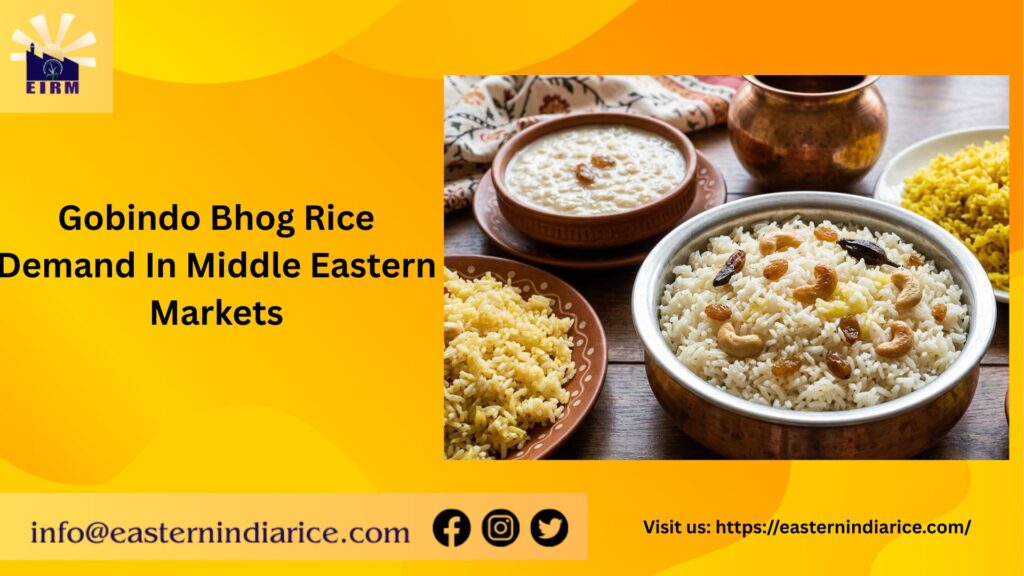
The Indian food industry is growing very fast. From small cloud kitchens to large premium restaurants, every business wants to serve delicious food that keeps customers coming back. To achieve this, choosing the right ingredients is highly critical. Among the many premium rice varieties available today, Gobindo Bhog rice has carved out a unique place for itself. Known for its small grains, white color, and sweet, buttery aroma, it is the secret ingredient behind many iconic dishes. Today, smart food business owners across India are shifting to bulk procurement of this specialty rice to enjoy higher profit margins. If you run a restaurant or catering service in South India, finding the best gobindo bhog rice brand in tamil nadu is the first step toward transforming your food quality and kitchen efficiency. When you buy high-quality ingredients in large quantities, your business gains an instant competitive edge. Using a trusted supplier like Eastern India Rice Mill (MINI) ensures that your kitchen never runs out of this aromatic grain, allowing you to consistently serve exceptional meals to your customers. 1.Massive Cost Savings and Higher Profit Margins The primary reason for any business to buy in bulk is financial savings. Buying loose or small retail packets of rice every week significantly increases your food costs. When you choose bulk procurement, the cost per kilogram drops down dramatically. For businesses in the southern region, checking the regular gobindo bhog rice price in tamil nadu will show you that retail prices carry high middleman margins. By partnering with wholesale exporters and processors like EIRM, you cut out extra costs, get direct pricing, and save thousands of rupees on your monthly grocery bills. These savings directly improve your bottom line, giving you more money to invest in marketing or expanding your business. 2.Consistent Quality and Magical Aroma In the restaurant business, consistency is everything. If a customer loves your Payesh, Biryani, or Khichdi today, they expect the exact same taste and aroma when they return next month. When you buy small batches from random local shops, the quality changes constantly. One batch might have a great aroma, while the next one might feel sticky or stale. Bulk procurement solves this major problem. When you order a large consignment from a top-tier brand, you receive rice harvested, processed, and packed under the exact same conditions. This ensures that every single meal you cook retains that authentic, sweet aroma that Gobindo Bhog is famous for. 3.Meeting the Growing Demand Across South India Gobindo Bhog rice is no longer restricted to traditional regional kitchens. Food lovers across South India are rapidly discovering its incredible versatility. Chefs are now using it to prepare rich festival puddings, sweet pongal, ghee rice, and local fusion pulao varieties. Because of this growing popularity, smart culinary businesses are actively searching for reliable ways to buy gobindo bhog rice in tamil nadu online to avoid local supply shortages. Stocking up in bulk ensures that your kitchen is always fully prepared to fulfill large catering orders and festive crowd rushes without any sudden panic. 4.Smoother Kitchen Operations and Less Hassle Running a busy commercial kitchen is highly stressful. Dealing with daily inventory shortages only adds to the chaos. If your kitchen runs out of specialty rice on a busy weekend evening, you lose valuable customers and revenue. Bulk procurement completely eliminates this operational headache. A single bulk order keeps your pantry stocked for months. Furthermore, with modern supply chains, getting your stock delivered is incredibly simple. Businesses can comfortably order premium gobindo bhog rice in tamil nadu online and get bulk bags delivered right to their warehouse doorstep. This allows your team to focus entirely on cooking great food and serving guests rather than chasing local suppliers. 5.Longer Shelf Life and Easy Storage Some food items spoil very quickly, making bulk buying a risky choice. However, Gobindo Bhog rice has an excellent natural shelf life when stored correctly in a cool, dry place. In fact, properly aged rice cooks much better, as the grains remain distinct and fluffy after boiling. This makes bulk purchasing completely safe and highly practical for commercial establishments. When you source your stock from the EIRM brand, you receive professionally processed, moisture-controlled rice packed in heavy-duty commercial bags that protect the grains from environmental damage during storage. Conclusion To succeed in the highly competitive Indian food market, balancing exceptional taste with smart financial choices is essential. Bulk procurement of aromatic rice varieties is a proven strategy to lower operational costs while keeping your food quality superior. If you want to elevate your business menu today, it is time to check the competitive wholesale gobindo bhog rice price in tamil nadu and make a strategic switch. Partnering with a reliable leader like Eastern India Rice Mill (MINI) ensures your business receives unmatched purity, competitive rates, and reliable deliveries. Do not wait for festive seasons to rush your orders. Secure your commercial supply from the best gobindo bhog rice brand in tamil nadu today and watch your food business profits grow rapidly. FAQ