Eastern India Rice Blog

easternindiariceblog

How Climate and Soil Conditions Influence the Quality of Gobindo Bhog Rice

Gobindobhog-rice-India

Rice is not just food in India; it is a celebration of flavor, culture, and tradition. Among the many varieties grown across the country, one short-grain white rice stands out for its rich, buttery taste and heavenly fragrance. This variety is none other than Gobindo Bhog rice. Often called the “Prince of Rice,” it holds a special place in sweet dishes, festive offerings, and savory meals alike. If you have ever enjoyed a rich, aromatic bowl of biryani made with this short grain, you know it is a truly special biryani rice. But have you ever wondered what makes this grain so magical? The secret lies deep within the nature of its birthplace—specifically, the perfect mix of climate and soil conditions.  At Eastern India Rice Mill (MINI), we believe that understanding the journey of the grain from the farm to your plate makes every bite taste even better. Let us explore how mother nature shapes this exquisite grain. The Right Soil: The Foundation of Taste The quality of Gobindo Bhog rice depends heavily on where it is grown. This grain thrives beautifully in the fertile plains of West Bengal, particularly in the Burdwan district, which is proudly known as the “rice bowl” of the region.  The soil here is alluvial soil, which means it is rich in organic matter and natural nutrients washed down by the river systems. This unique soil behaves like a natural sponge. It holds onto water just long enough to give the rice crops steady nourishment without drowning the roots. The minerals present in this alluvial soil are exactly what give the rice its signature sweet, buttery flavor profile. Because this soil cannot be replicated easily anywhere else, special gobindo bhog rice manufacturers in india focus heavily on sourcing their paddy directly from these geographical zones to keep the taste authentic.  The Ideal Climate: Crafting the Sweet Aroma If soil gives the rice its taste, the climate gives it that unmistakable, mouth-watering fragrance. Gobindo Bhog is a unique crop because it is traditionally cultivated a bit later in the season, mostly during the Kharif (monsoon) season, stretching into the cooler months. This specific weather cycle ensures that when you open a bag of rice packed by EIRM, the natural perfume fills your kitchen instantly. Water and Natural Protection Because Gobindo Bhog is planted slightly later than standard rice varieties, it escapes the harsh, heavy downpours of the early monsoon that often damage younger crops. The gentle, residual moisture left in the soil and air is just right. Additionally, this late-timed climate naturally protects the crop. The cooler weather patterns mean fewer pests and insects attack the fields. Farmers do not need to rely on heavy chemicals or artificial pesticides. This allows the rice to grow naturally, maintaining its pure, clean, and healthy properties. Top gobindo bhog rice suppliers in india value this natural purity because it ensures the grain remains easily digestible and safe for families.  Why Choose EIRM for Your Kitchen? Sourcing the absolute best version of this regional treasure requires expertise and deep roots in the farming community. As a trusted name in the industry, EIRM works closely with experienced local farmers who have spent generations mastering this delicate agricultural art. We pick only high-grade seeds and ensure that the rice goes through a careful aging process under controlled settings. Aging the rice allows the grains to dry out evenly, which helps them cook beautifully without becoming mushy, while making the aroma even stronger.  Conclusion The unmatched quality, sticky texture, and divine fragrance of Gobindo Bhog rice are gifts of perfect weather and nutrient-rich alluvial earth. It is a grain crafted by nature and perfected by tradition. Whether you are cooking a celebratory festive pulao, a comforting bowl of sweet payesh, or experimenting with a regional twist on a special biryani rice, choosing the right grain makes all the difference. By blending nature’s best conditions with strict quality control, Eastern India Rice Mill (MINI) ensures that every bag delivered to your home carries the genuine heritage of Bengal’s finest fields. FAQ   

Gobindo Bhog Rice Nutrition Facts: Calories, Carbs, and Health Value Explained

Gobindobhog-rice-India

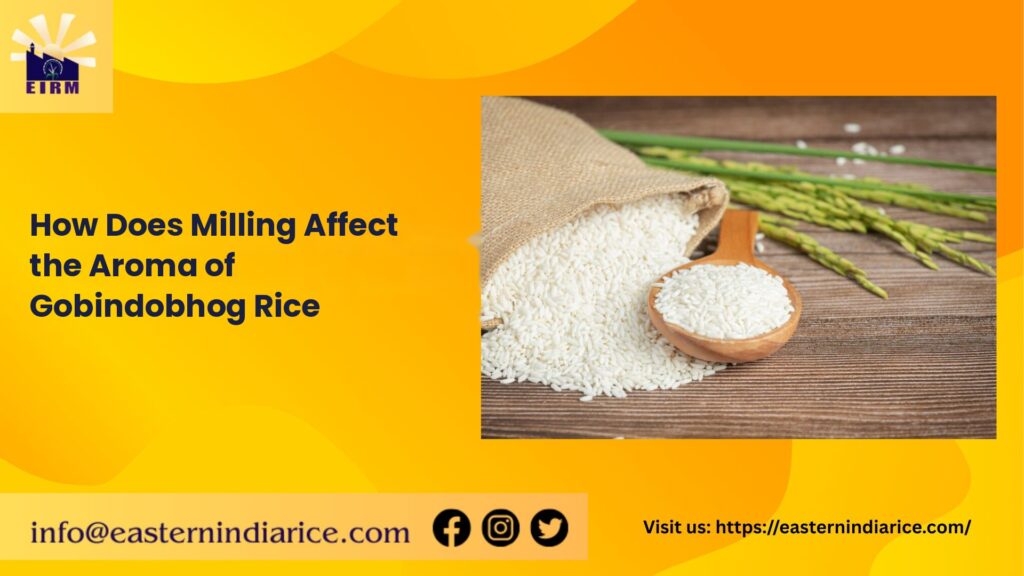
If you love aromatic food, you probably know about Gobindo Bhog rice. It is a small-grain, white rice that smells heavenly. People use it to make delicious dishes like khichdi, payesh (kheer), and pulao. But did you know this tasty rice is also packed with great health value? When looking for the best quality grain, it is essential to trust the top special gobindo bhog rice manufacturers in india. They ensure that the rice retains its natural nutrition, unique buttery flavor, and authentic aroma from the farm to your plate. Let us dive deep into the nutrition facts, calories, carbs, and health benefits of Gobindo Bhog rice to understand why it deserves a spot in your daily kitchen. What is Gobindo Bhog Rice? Gobindo Bhog is a premium, short-grain aromatic rice. It is named after its traditional use in preparing offerings for Lord Govinda. Because of its superb quality and sweet scent, it has received a Geographical Indication (GI) tag. Brands like Eastern India Rice Mill (MINI) bring you this authentic grain with its nutrients completely intact, ensuring you get the maximum health value with every single bite. Nutrition Breakdown: Calories and Carbs Many people think that white aromatic rice is just empty starch. That is not true! Gobindo Bhog rice provides clean, easily digestible energy. Here is what you get in a standard serving of about 100 grams of raw Gobindo Bhog rice: The Role of Carbohydrates As you can see, this rice is rich in healthy carbohydrates. These carbs are complex, meaning they break down slowly to give your body steady energy throughout the day. It is an excellent fuel source for kids, athletes, and anyone with an active lifestyle. Low in Fat and Sodium If you want to maintain a healthy weight or take care of your heart, this rice is a great option. It has almost zero fat and very low sodium content, which helps keep your blood pressure levels in check. Trusting experienced gobindo bhog rice suppliers in india ensures you get pure, unadulterated grains that keep these heart-healthy traits alive. Top Health Value and Benefits Gobindo Bhog rice is more than just comfort food. It brings several health benefits to your dinner table: Cooking It Right for Maximum Nutrition To keep the health value high, cook your rice using the boiling method. Try to avoid discarding the excess water if you want to save all the water-soluble vitamins. Alternatively, you can use a measured amount of water (usually a 1:2 rice-to-water ratio) so the grains absorb everything perfectly. Pairing a hot bowl of Eastern India Rice Mill (MINI) Gobindo Bhog rice with lentils (dal) and a side of fresh vegetables creates a completely balanced meal filled with protein, fiber, and vitamins. Buying Guide: Finding the Best Rice Because of its high demand, the gobindo bhog rice price in india can vary depending on the season and the purity of the grain. Sometimes, cheaper versions are mixed with lower-grade short rice that lacks the authentic aroma. To avoid this, always check the packaging carefully. Choosing premium brands like EIRM guarantees that you are getting 100% pure, single-origin grains. As trusted gobindo bhog rice suppliers in india, they make sure that you get the best value for your money. Conclusion Gobindo Bhog rice is a delightful combination of taste, aroma, and good health. It gives you long-lasting energy, is gentle on the stomach, and provides essential nutrients to support your body’s wellness. When you purchase from the best special gobindo bhog rice manufacturers in india, you invest in your family’s overall health. Bring home a pack today, cook a steaming bowl, and enjoy the perfect balance of pure nutrition and incredible taste! FAQ

Best short grain rice varieties for export, including Jeera Samba, Jeera Kasala and Kaima rice

Discover the Best Short Grain Rice Varieties for Export:

When we think of rice exports, long grains like Basmati often take the spotlight. However, the global market is now falling in love with aromatic short grain rice. These small but mighty grains are famous for their unique smell, buttery taste, and health benefits. If you are looking for premium quality, Eastern India Rice Mill (MINI) provides the finest selections that meet international standards. In this blog, we will look at the best short grain varieties like Jeera samba rice, Kaima rice, and Jeera kasala rice that are currently in high demand for export. Jeera Samba Rice: The Tiny Giant Jeera samba rice is perhaps the most famous short grain variety from Southern India. The name comes from “Jeeragam” (Cumin), as the grains are tiny and look just like cumin seeds. When you source through EIRM, you get grains that are aged perfectly to ensure they stay non-sticky and fluffy after cooking. Kaima Rice: The Aromatic Soul of Malabar Often used interchangeably with Jeerakasala in some regions, Kaima rice is a staple in the famous Thalassery Biryani of Kerala. It is a premium short grain variety that stays firm even after absorbing rich flavors. EIRM ensures that every batch of Kaima rice is cleaned and sorted using modern technology to maintain its natural fragrance. Jeera Kasala Rice: The Fragrant Treasure Jeera kasala rice (also known as Jeerakasala) is another aromatic gem grown in the high-altitude regions of Wayanad. It has even received a Geographical Indication (GI) tag, which proves its unique origin and quality. Exporting Jeera kasala rice requires careful handling to preserve its essential oils, and that is exactly what EIRM specializes in. Why These Varieties are Topping the Export Charts International buyers are moving away from “plain” rice and looking for “experience” rice. Here is why these varieties are winning: Tips for Exporting Short Grain Rice If you want to succeed in the export business, quality is everything. International markets have strict rules about moisture content and grain purity. This is where a trusted brand like EIRM makes a difference. They ensure the rice is: Conclusion The world of rice is much bigger than just long grains. Varieties like Jeera kasala rice, Jeera samba rice, and Kaima rice are proving that small grains can bring big flavors to global tables. Whether you are a wholesaler or a restaurant owner abroad, choosing the right variety can elevate your culinary offerings. By partnering with a reliable name like Eastern India Rice Mill (MINI), you can ensure that you are getting the most authentic, aromatic, and high-quality short grain rice available today. Happy cooking and happy exporting!

Choosing the right rice for export markets with focus on Jeera Samba Kaima and Gobindo Bhog rice

special gobindo bhog rice manufacturers in india

Exporting rice from India is a massive opportunity, but success depends on choosing the right variety for the right market. While Basmati often steals the spotlight, short-grain aromatic varieties like Jeera Samba rice and Gobindo Bhog are gaining incredible popularity globally. At Eastern India Rice Mill (MINI), we believe that understanding the unique traits of these grains is the first step toward a successful export business. Whether you are looking for special Gobindo Bhog rice manufacturers in India or sourcing high-quality Samba varieties, this guide breaks down everything you need to know. Why Choose Short-Grain Aromatic Rice for Export? Unlike long-grain rice, short-grain aromatic varieties offer a different culinary experience. They are known for: Jeera Samba Rice: The Pride of the South Jeera Samba rice is often called the “Basmati of the South.” It gets its name because the grains are tiny and resemble cumin seeds (Jeera). Gobindo Bhog: The “Prince of Rice” Moving to the East, we find Gobindo Bhog, a premium cultivar primarily grown in West Bengal. If you are searching for Gobindo Bhog rice manufacturers in India, you are looking for a product that is synonymous with luxury and ritual. How to Select the Best Quality for Export When you work with special Gobindo Bhog rice manufacturers in India, you must look for specific quality markers: Key Markets for These Varieties Understanding where to sell is as important as what to sell. Conclusion Exporting Jeera Samba rice and Gobindo Bhog is not just about selling a commodity; it is about sharing a piece of Indian culture. These grains offer a premium alternative to Basmati and cater to a loyal, growing consumer base worldwide. By partnering with experienced special Gobindo Bhog rice manufacturers in India like Eastern India Rice Mill (MINI), you can ensure that your export venture is built on a foundation of quality, authenticity, and trust. Choosing the right rice today means building a sustainable global brand for tomorrow.

Growing export demand for Gobindo Bhog rice in Middle Eastern markets

Gobindo Bhog Rice In Middle Eastern Markets

In recent years, the world has started to notice the unique treasures of Indian agriculture. Among these, gobindobhog rice is making a huge splash in international markets, especially in the Middle East. Eastern India Rice Mill (MINI) is at the forefront of this movement, bringing the finest quality grains from local farms to global dinner tables. Known for its heavenly aroma and buttery taste, this fragrant rice is no longer just a staple in Bengali households—it is becoming a favorite in kitchens across Dubai, Riyadh, and Doha. Why is the Middle East Falling in Love with Gobindo Bhog? The Middle East has always had a deep-seated love for aromatic rice. While Basmati has traditionally ruled the market, there is a shifting trend toward specialty grains. Here is why the demand is growing: The Role of Quality Manufacturers To meet this global demand, consistency is key. Middle Eastern markets have very strict food safety and quality standards. This is where EIRM stands out. As one of the leading gobindobhog rice manufacturers, they use ultra-modern milling technology to ensure that every grain is sorted for size, color, and purity. When importing short grain rice, buyers look for: Export Trends for 2026 The export data shows a steady climb. India is currently the largest exporter of rice, and the government is encouraging the trade of GI-tagged (Geographical Indication) varieties. Because gobindobhog is grown in specific regions of West Bengal, its “exclusivity” makes it a high-value product in premium Middle Eastern supermarkets. Trusted gobindobhog rice manufacturers are now expanding their networks to include direct supply chains to the Gulf. This means fresher stock and better prices for international consumers. By focusing on sustainable farming and high-tech processing, Eastern India Rice Mill (MINI) is helping put this traditional Indian grain on the global map. Key Takeaways for Buyers If you are looking to tap into this growing market, remember these points: The journey of this tiny, short grain rice from the fields of Bengal to the luxury plates of the Middle East is a success story of tradition meeting technology. With brands like EIRM leading the way, the future of Indian specialty rice exports looks brighter than ever. Conclusion The future of gobindobhog rice in the Middle East looks incredibly promising as more consumers discover the charm of this short grain rice. Its ability to elevate a simple meal into a gourmet experience makes it a must-have in international pantries. By partnering with dedicated gobindobhog rice manufacturers like Eastern India Rice Mill (MINI), global distributors can ensure they are providing the highest quality fragrant rice to their customers. As culinary boundaries continue to fade, this traditional Indian grain is set to become a permanent star on dinner tables across the Gulf and beyond.

How Jasmine rice and Kaima rice are shaping the Middle Eastern food industry demand

Jasmine Rice And Kaima Rice Are Shaping The Middle Eastern Food Industry

Jasmine rice and Kaima rice are transforming the Middle Eastern food industry. Learn why premium grains from EIRM are currently driving regional demand and culinary trends. The Rising Influence of Jasmine and Kaima Rice in the Middle Eastern Food Market The food industry in the Middle East is currently undergoing a massive shift. While traditional long-grain rice has always been a staple, new favorites are taking over the dining table. Specifically, Jasmine rice and Kaima rice are now shaping the demand in restaurants and households across the region. As a leading name in the global supply chain, Eastern India Rice Mill (MINI) has been at the forefront of providing these high-quality grains to meet the growing appetite of the Gulf. Why Jasmine Rice is Winning Hearts Jasmine rice is famous for its sweet, floral aroma and slightly sticky texture. Originally popular in Southeast Asian cooking, it has now become a go-to choice in Middle Eastern kitchens for several reasons: The Special Appeal of Kaima Rice While many know the long grains of Basmati, Kaima rice (also known as Jeerakasala) is a short-grain wonder that is making waves. It is highly prized in the Malabari community within the Middle East, particularly for making the iconic Thalassery Biryani. How Traditional Choices are Shifting The demand isn’t just about taste; it’s about heritage and quality. Interestingly, Kaima rice is often associated with the same high standards found among gobindobhog rice manufacturers. These manufacturers produce short, aromatic grains that are traditionally used in religious offerings and festive feasts in India. Because of their similar “small grain, big aroma” profile, the expertise of gobindobhog rice manufacturers is helping set the quality benchmarks for the short-grain rice sold in the Middle East today. EIRM: A Trusted Name in Quality With a legacy dating back to the 1960s, EIRM has mastered the art of sourcing and processing the finest grains. Understanding that Middle Eastern consumers demand absolute purity, EIRM implements rigorous quality control and two-year aging processes. This dedication ensures that every bag—whether fragrant Jasmine rice or the specialized Kaima rice—meets elite international food safety standards. By bridging the gap between traditional farming and modern demand, Eastern India Rice Mill (MINI) provides chemical-free, sustainable rice that preserves natural flavors. This commitment to excellence makes them a reliable partner for those seeking the authentic taste and texture of premium rice. The Role of Restaurants and Cafeterias The growth of the tourism and hospitality sector in cities like Dubai, Riyadh, and Doha has also fueled this demand. Chefs are looking for rice that can withstand large-scale cooking while keeping its aroma intact. Health and Digestibility Modern consumers are also looking for rice that is easy on the stomach. Both Jasmine and Kaima varieties are known for being easy to digest compared to some heavier, aged long-grain varieties. This health-conscious shift has made it easier for companies like EIRM to introduce these grains to a wider audience who want to eat well without feeling bloated. Conclusion The Middle Eastern food industry is no longer just about one type of grain. The aromatic charm of Jasmine rice and the flavor-packed punch of Kaima rice have created a diverse and exciting market. As the region continues to welcome different cultures and culinary styles, the demand for these varieties—and the standards set by gobindobhog rice manufacturers—will only continue to grow. For those looking for the best in class, Eastern India Rice Mill (MINI) remains the reliable partner for bringing these world-class grains to your kitchen.

Trends in Middle East rice imports with rising demand for short-grain and fragrant rice varieties

Rising Demand For Short-Grain And Fragrant Rice Varieties

The Middle East has long been the global hub for Basmati, but a significant shift is occurring in 2026. While long-grain rice still leads in volume, the market is seeing a surge in demand for short-grain rice and niche fragrant rice varieties. Driven by a growing expatriate population and a culinary shift toward regional Indian and Southeast Asian cuisines, varieties like Jeera Samba and Gobindo Bhog are no longer just “alternative” choices—they are becoming essential. For brands like Eastern India Rice Mill (MINI), this trend represents a massive opportunity to capture the Special Biryani Rice segment in the GCC. Shift from Commodity to Premium Fragrance Historically, Middle East imports focused on bulk white rice and premium Basmati. Today, consumers are seeking “experience-based” grains. The Rise of “Special Biryani Rice” While Basmati biryani remains a staple, the “Regional Biryani” trend is taking over high-end restaurants in Dubai, Doha, and Riyadh. Culinary Diversification and Health Awareness The Middle Eastern palate is expanding, influenced by a blend of global cultures. Economic and Supply Chain Factors The 2025-2026 trade data shows that Middle Eastern countries are diversifying their import origins to ensure food security. Sustainable Sourcing and Traceability Modern importers in the Middle East are now demanding more transparency regarding where their food comes from. There is a growing preference for brands like EIRM that can prove their short-grain rice is sourced directly from ethical farms. This focus on “farm-to-fork” traceability ensures that the fragrant rice maintains its organic integrity, meeting the strict food safety standards of the GCC while appealing to environmentally conscious consumers who want to support sustainable agricultural practices. Summary of Import Trends (2025-2026) Trend Factor Impact on Middle East Market Grain Preference High growth in short-grain rice imports. Usage Increasing use of Special Biryani Rice for regional recipes. Sourcing Shift toward GI-tagged and certified aromatic rices. Consumer Profile Rising demand from middle-income expatriates and locals alike. In 2026, Middle Eastern importers are moving toward long-term forward contracts rather than spot purchases to ensure food security. This trend is particularly visible leading up to peak demand periods like Ramadan, where consistent quality and supply of fragrant rice are prioritized over short-term cost savings. Conclusion The shifting landscape of Middle East rice imports highlights a clear move toward culinary diversity and premium quality. As consumers increasingly prioritize unique textures and natural aromas, short-grain rice and fragrant rice varieties are securing a permanent place in global kitchens. This evolution offers a significant advantage to exporters who focus on authenticity. By providing high-quality Special Biryani Rice, Eastern India Rice Mill (MINI) bridges the gap between traditional Indian heritage and the modern international palate. Ultimately, staying ahead of these trends ensures a competitive edge in a market that now values specialized, aromatic grains as much as volume.

How to Identify Pure Fragrant Rice like Jasmine and Jeera Kasala Rice

Fragrant rice is loved for its rich aroma and delicious taste. Varieties like Jasmine rice and Jeera kasala rice are popular in many kitchens. But today, it is not always easy to know if the rice you are buying is pure or mixed with lower-quality grains. That is why learning how to identify good quality rice is very important. Trusted gobindo bhog rice manufacturers in india like EIRM always focus on purity and quality. In this blog, we will explain in very simple words how you can identify pure fragrant rice easily. Why Fragrant Rice is Special Fragrant rice is different from regular rice because of its natural smell and soft texture after cooking. It adds extra taste to dishes like pulao, biryani, and daily meals. Some popular fragrant rice types include: These varieties are known for their unique aroma and grain size. Check the Aroma Before Buying The first and most important sign of pure fragrant rice is its smell. Pure Jasmine rice will have a light, sweet fragrance. Good quality Jeera kasala rice will also give a natural aroma. If there is no smell or it smells artificial, it may not be pure. Brands like EIRM always maintain natural aroma without adding chemicals. Look at the Grain Size and Shape Every type of rice has a specific size and shape. If you see mixed sizes in the same packet, it may not be pure. Reliable gobindo bhog rice manufacturers in india ensure uniform grain size in every pack. Check the Color of the Rice Good quality rice should look clean and bright. EIRM ensures that the rice is properly processed and keeps its natural look. Try the Water Test This is a very easy test you can do at home. Pure rice will settle at the bottom. If some grains float or the water becomes cloudy quickly, it may contain impurities or chemicals. Check After Cooking Cooking is one of the best ways to identify quality. If the rice loses its fragrance or becomes too sticky, it may not be of good quality. EIRM products are known for consistent cooking results. Avoid Artificial Fragrance Some sellers add artificial scent to make rice smell like premium varieties. How to identify it: Always choose trusted brands like EIRM to avoid such issues. Buy from Trusted Sources The safest way to get pure rice is to buy from reliable suppliers. Experienced gobindo bhog rice manufacturers in india follow strict quality standards, so you get the best product every time. Check Packaging and Label Always read the packet carefully before buying. Good packaging helps keep the rice fresh and protects its aroma. Conclusion Identifying pure fragrant rice is easy when you know what to check. Always look at the aroma, grain size, color, and cooking quality before buying. Whether it is Jasmine rice or Jeera kasala rice, choosing the right rice improves the taste of your meals. Trusted gobindo bhog rice manufacturers in india like EIRM ensure that every grain is pure, fresh, and full of natural aroma. By following these simple tips, you can always enjoy high-quality rice at home.

Best Ways to Store Gobindo Bhog Rice to Keep Its Aroma Fresh

Gobindo Bhog rice is famous for its sweet smell and soft texture. This special rice is loved in many Indian kitchens. When you buy from special gobindo bhog rice manufacturers in india, you get high-quality rice—but storing it the right way is very important to keep its aroma fresh. In this blog, we will share simple and easy tips to store Gobindo Bhog rice properly at home. Why Proper Storage is Important Gobindo Bhog rice is a fragrant rice. If not stored properly, it can lose its smell, taste, and quality. Moisture, air, and insects can damage the rice easily. Good storage helps: Brands like Eastern India Rice Mill (MINI) ensure quality during processing, but proper storage at home is equally important. Store in an Airtight Container Always keep Gobindo Bhog rice in an airtight container. This is the easiest and most effective method. Airtight containers stop air and moisture from entering, which helps keep the fragrance intact. Keep Rice in a Cool and Dry Place Heat and humidity can spoil rice quickly. Always store rice in a cool and dry place. This simple step helps maintain the quality of Export gobindo rice, especially in humid climates. Use Neem Leaves or Bay Leaves Natural methods are very useful to protect rice from insects. This is a traditional and safe method used in many Indian homes. Avoid Moisture at All Costs Moisture is the biggest enemy of rice storage. Even high-quality rice from special gobindo bhog rice manufacturers in india can get spoiled if exposed to moisture. Store in Small Quantities Instead of storing large amounts in one container, divide rice into smaller portions. This method is very helpful to keep the aroma fresh for a longer time. Use Food-Grade Storage Bags for Bulk Storage If you buy rice in bulk, use food-grade storage bags or bins. Companies like EIRM maintain quality during packaging, but proper storage after purchase is important to maintain that same freshness. Keep Away from Strong Smells Rice can absorb smells from nearby items. This is especially important for aromatic rice like Gobindo Bhog and even Jeerasambha rice, which are known for their fragrance. Check Rice Regularly It is a good habit to check your stored rice from time to time. Regular checking helps avoid spoilage and waste. Refrigeration (Optional) In very humid weather, you can store small quantities in the refrigerator. This method can help maintain the aroma of Export gobindo rice in extreme conditions. Buy Quality Rice from Trusted Brands Storage is important, but starting with good quality rice matters too. Always buy from trusted brands like Eastern India Rice Mill (MINI), known for maintaining purity and freshness. High-quality rice retains its aroma longer when stored properly. Conclusion Storing Gobindo Bhog rice the right way is simple but very important. Always use airtight containers, keep the rice dry, and store it in a cool place. Natural methods like neem leaves can also help protect it from insects. When you buy from special gobindo bhog rice manufacturers in india, you get the best quality rice—but proper storage ensures that its aroma stays fresh till the last grain. Whether it is Export gobindo rice or even fragrant varieties like Jeerasambha rice, these easy tips will help you enjoy perfect taste every time.

How Can Restaurants Select the Best Rice for Authentic Hyderabadi Biryani

Select the Best Rice for Authentic Hyderabadi Biryani

Hyderabadi biryani is famous for its rich taste, aroma, and perfect texture. One of the most important ingredients in this dish is rice. Choosing the right rice can make a big difference in taste and presentation. For restaurants, selecting the best quality rice is very important to maintain consistency and customer satisfaction. Many chefs today also explore options from gobindo bhog rice suppliers in india to create unique flavors. In this blog, we will explain in simple words how restaurants can choose the best rice for authentic Hyderabadi biryani. Why Rice Quality Matters in Biryani Rice is not just a base ingredient—it is the heart of biryani. Good quality rice helps in: If the rice is not of good quality, even the best spices and cooking methods cannot fix the dish. Key Features of the Best Biryani Rice Long Grain Structure For authentic Hyderabadi biryani, long-grain rice is preferred. The grains should stay separate after cooking and not break easily. Aroma A good biryani rice should have a natural fragrance. Aroma adds to the overall dining experience and makes the dish more appealing. Non-Sticky Texture Rice used in biryani must not stick together. Each grain should remain fluffy and light. Aging of Rice Aged rice (at least 1 year old) is better because it absorbs water well and cooks perfectly without becoming mushy. Types of Rice Used by Restaurants Basmati Rice This is the most popular choice for Hyderabadi biryani. It has long grains, a great aroma, and cooks beautifully. Gobindo Bhog Rice Though traditionally used in Bengali dishes, some chefs experiment with it for special flavors. Many special gobindo bhog rice manufacturers in india provide premium quality rice that can be used for unique biryani recipes. How to Choose the Right Supplier Selecting a trusted supplier is just as important as choosing the rice type. Check Quality Standards Always choose suppliers who maintain high quality and proper packaging. Consistent Supply Restaurants need bulk quantities regularly. Reliable suppliers ensure there is no shortage. Reputation in the Market Work with trusted names like Eastern India Rice Mill (MINI), known for delivering high-quality rice suitable for restaurants and bulk buyers. Variety Availability Good suppliers offer multiple rice options, including basmati and specialty rice types. Importance of Regional Preferences Different regions may prefer slightly different rice textures and aromas. For example, many restaurants look for the best hyderabadi biryani rice in karnataka to match local taste preferences while still maintaining authenticity. Understanding your customer base helps in selecting the right rice variety. Storage Tips for Restaurants Even the best rice can lose quality if not stored properly. Proper storage helps maintain aroma and texture. Cost vs Quality: Finding the Balance Restaurants often try to reduce costs, but choosing cheap rice can affect the dish quality. It is always better to invest in premium rice from trusted brands like EIRM to ensure customer satisfaction and repeat business. High-quality rice may cost more, but it improves taste, presentation, and overall brand value of the restaurant. Final Thoughts Selecting the best rice for authentic Hyderabadi biryani is not difficult if you know what to look for. Focus on grain length, aroma, texture, and supplier reliability. Whether you choose basmati or explore options from special gobindo bhog rice manufacturers in india, quality should always come first. Working with trusted gobindo bhog rice suppliers in india and brands like EIRM ensures you get consistent and premium rice for your kitchen. Also, understanding regional demand, such as sourcing the best hyderabadi biryani rice in karnataka, can help your restaurant stand out. In the end, the right rice will help you serve delicious, aromatic, and authentic biryani that keeps customers coming back for more.

Scroll to Top