Exporting rice from India is a massive opportunity, but success depends on choosing the right variety for the right market. While Basmati often steals the spotlight, short-grain aromatic varieties like Jeera Samba rice and Gobindo Bhog are gaining incredible popularity globally.
At Eastern India Rice Mill (MINI), we believe that understanding the unique traits of these grains is the first step toward a successful export business. Whether you are looking for special Gobindo Bhog rice manufacturers in India or sourcing high-quality Samba varieties, this guide breaks down everything you need to know.
Why Choose Short-Grain Aromatic Rice for Export?
Unlike long-grain rice, short-grain aromatic varieties offer a different culinary experience. They are known for:
- Intense Fragrance: They fill the room with a natural buttery or nutty aroma.
- Texture: They become soft and slightly sticky, making them perfect for traditional dishes.
- Niche Demand: There is a huge demand in Southeast Asia, the Middle East, and among the Indian diaspora in Europe and the USA.
Jeera Samba Rice: The Pride of the South
Jeera Samba rice is often called the “Basmati of the South.” It gets its name because the grains are tiny and resemble cumin seeds (Jeera).
- Distinct Flavor: It has a unique, earthy taste that doesn’t overpower the spices in a dish.
- The Biryani King: It is the essential ingredient for Dindigul and Ambur style Biryanis. For exporters, targeting markets that love South Indian cuisine is key.
- Health Benefits: It is easier to digest than many long-grain varieties and has a lower glycemic index.
- High Yield & Storage: This rice ages well, and aged Jeera Samba is highly prized in international markets for its non-sticky fluffiness after cooking.
Gobindo Bhog: The “Prince of Rice”
Moving to the East, we find Gobindo Bhog, a premium cultivar primarily grown in West Bengal. If you are searching for Gobindo Bhog rice manufacturers in India, you are looking for a product that is synonymous with luxury and ritual.
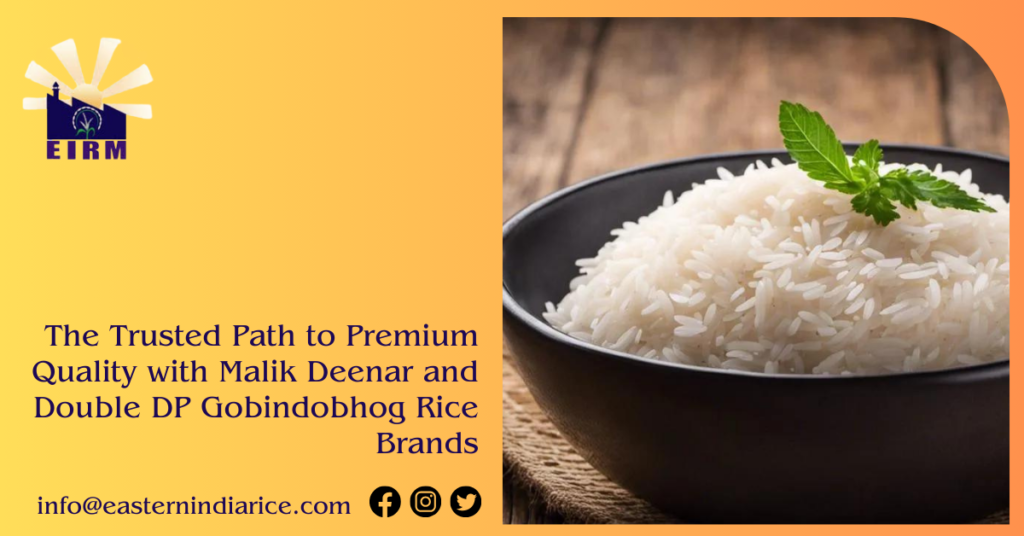
- Sweet Aroma: It has a rich, buttery fragrance that is stronger than most other varieties.
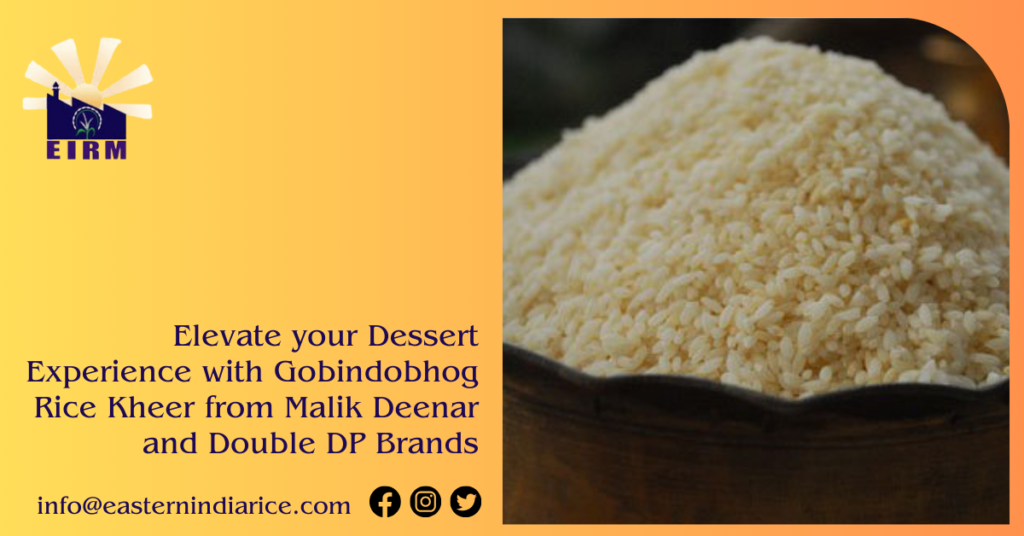
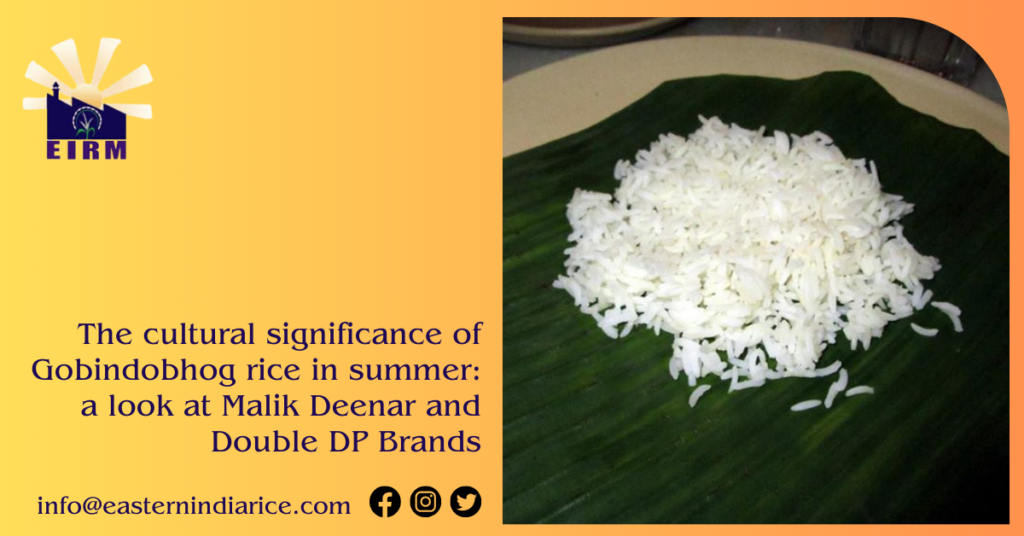
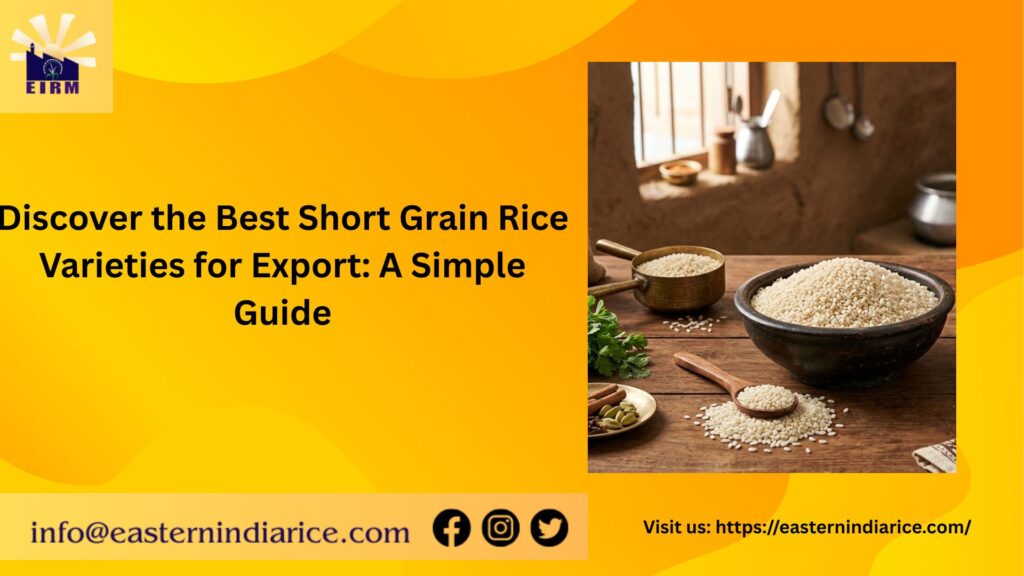
- Small & White: The grains are short, white, and very starchy.
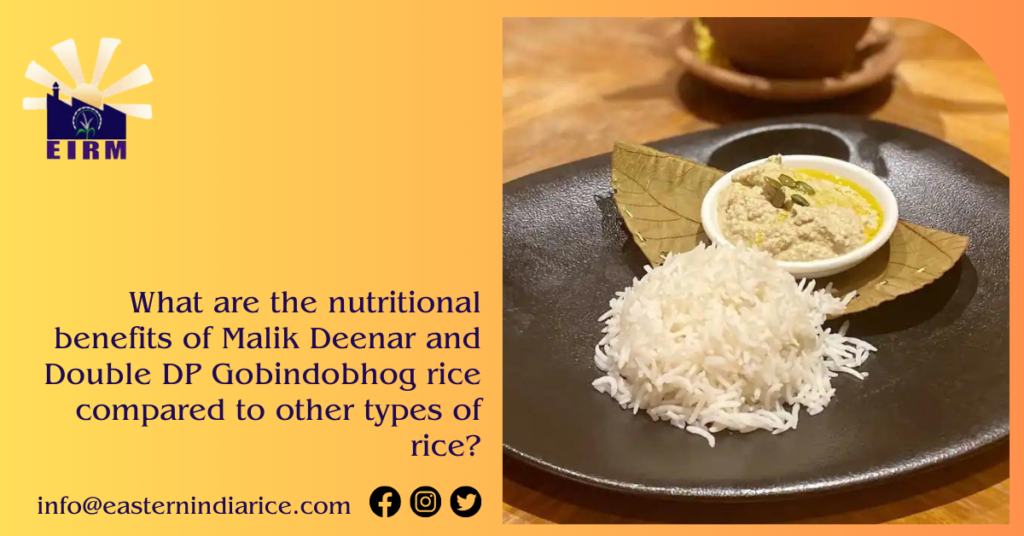
- Culinary Uses: It is the top choice for making Payesh (kheer), Khichdi, and offerings to deities.
- Export Potential: Because it is GI-tagged (Geographical Indication) in certain regions, it carries a “premium” status that allows for better profit margins in the export sector. Eastern India Rice Mill (MINI) ensures that this heritage grain reaches global kitchens without losing its authentic quality.
How to Select the Best Quality for Export
When you work with special Gobindo Bhog rice manufacturers in India, you must look for specific quality markers:
- Purity: Ensure the rice is not blended with cheaper, non-aromatic short grains.
- Moisture Content: For export, moisture should generally be below 14% to prevent mold during long sea voyages.
- Aroma Retention: The rice should be packed in moisture-proof, food-grade bags to keep the fragrance intact.
- Cleaning & Grading: Modern milling processes used by EIRM ensure the rice is free from stones, dust, and broken grains.
Key Markets for These Varieties
Understanding where to sell is as important as what to sell.
- The Middle East (UAE, Qatar, Saudi Arabia): High demand for Jeera Samba for the catering and restaurant industry.
- South East Asia: Markets like Singapore and Malaysia have a high preference for aromatic short grains.
- North America and UK: The growing Indian population seeks out Gobindo Bhog for festivals and traditional home cooking.
Conclusion
Exporting Jeera Samba rice and Gobindo Bhog is not just about selling a commodity; it is about sharing a piece of Indian culture. These grains offer a premium alternative to Basmati and cater to a loyal, growing consumer base worldwide.
By partnering with experienced special Gobindo Bhog rice manufacturers in India like Eastern India Rice Mill (MINI), you can ensure that your export venture is built on a foundation of quality, authenticity, and trust. Choosing the right rice today means building a sustainable global brand for tomorrow.