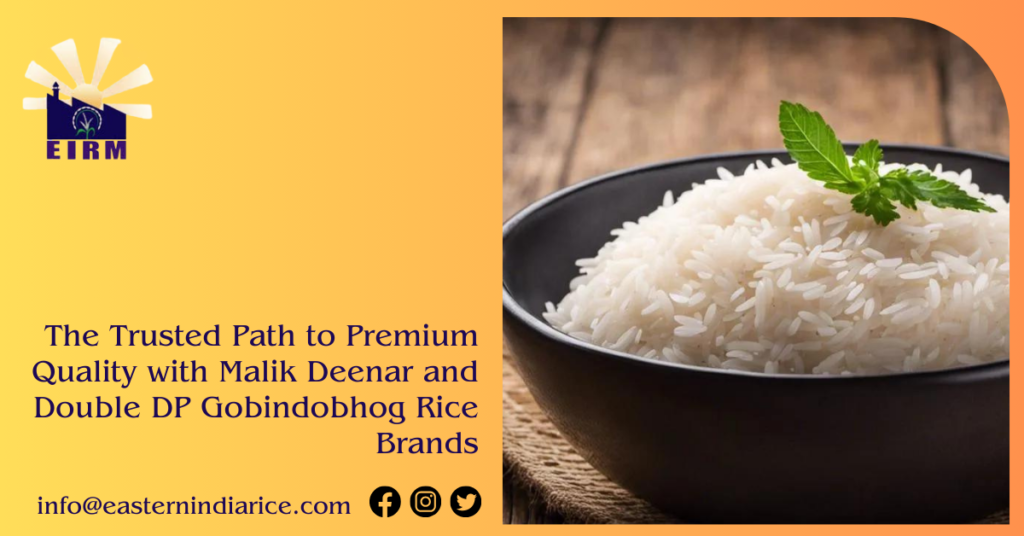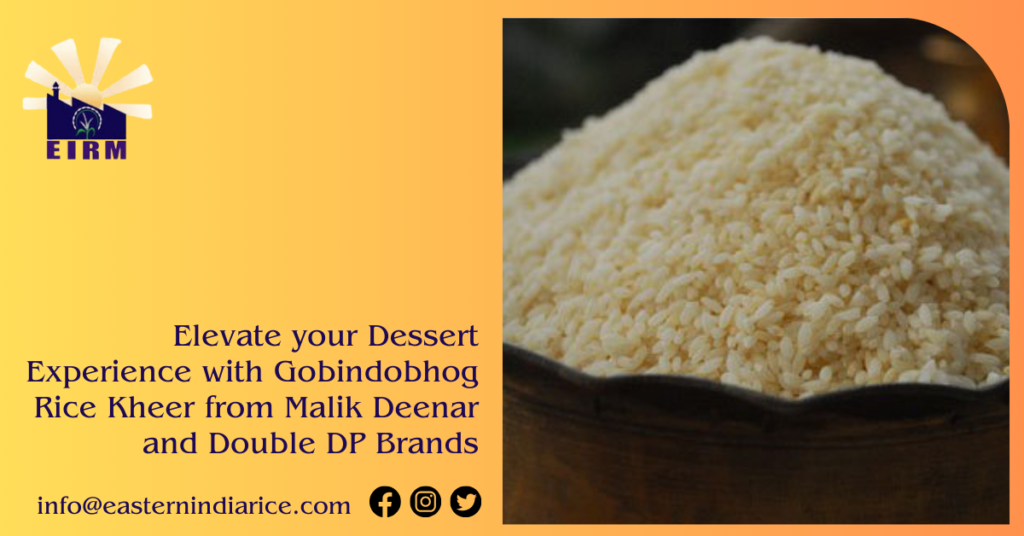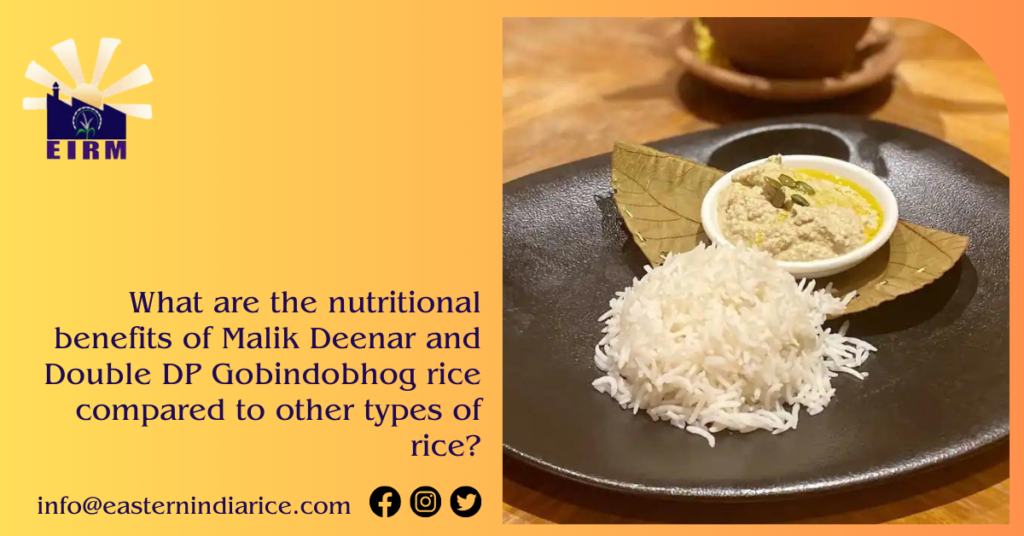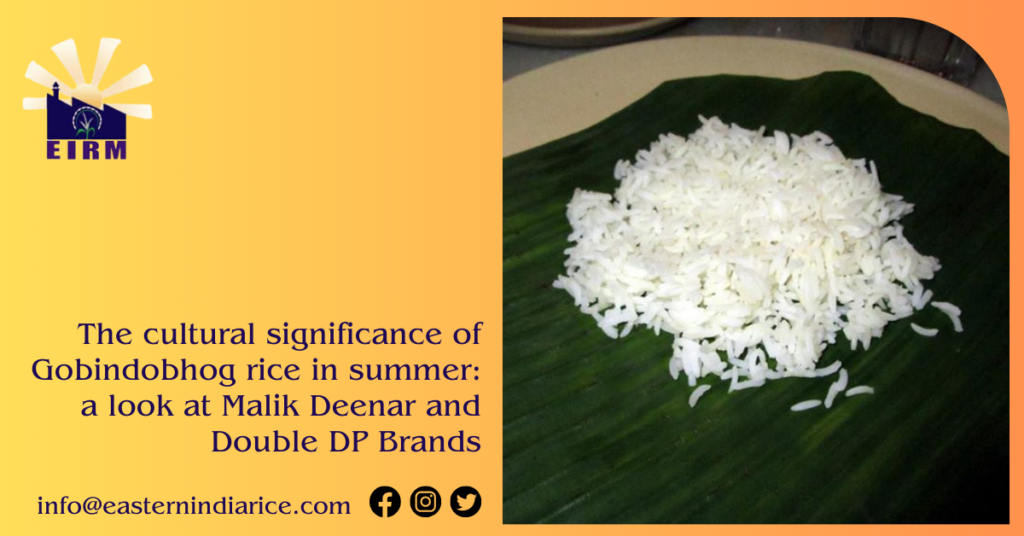
Rice plays a very important role in Indian cooking, especially when preparing delicious dishes like biryani, pulao, or traditional meals. The taste, aroma, and texture of rice decide how good the final dish will be. This is why quality control is extremely important in premium rice production. Trusted gobindo bhog rice manufacturers in india focus on maintaining strict standards so that customers always receive the best quality rice.
Brands like Eastern India Rice Mill (MINI) follow careful quality checks at every stage — starting from paddy selection to final packaging — to ensure that every grain meets premium standards.
Careful Selection of Paddy
Quality control begins right at the farming stage. The best rice can only come from high-quality paddy grown under proper conditions. Farmers select fertile land, use good seeds, and follow the right cultivation methods to grow premium varieties like Jeera kasala rice and Kaima rice.
Only mature and healthy paddy grains are selected after harvesting. Immature or damaged grains are removed immediately. This first step ensures consistency in size, aroma, and cooking performance.
Cleaning and Sorting Process
After harvesting, rice goes through advanced cleaning procedures. Dust, stones, husk particles, and unwanted materials are completely removed using modern machines. This process guarantees hygiene and safety.
Sorting machines then separate grains based on size, color, and quality. Broken or discolored grains are filtered out so that customers receive uniform rice grains. Premium rice varieties must look clean and consistent, which is possible only through strict inspection.
Proper Milling Techniques
Milling is one of the most important stages in rice processing. If milling is done carelessly, rice grains may break or lose their natural aroma. High-quality manufacturers use modern milling technology that gently removes the outer layer while protecting the grain structure.
For aromatic varieties like Kaima rice, maintaining the natural fragrance is essential. Controlled milling helps preserve flavor, texture, and nutritional value without damaging the rice.
Moisture Control and Storage
Moisture plays a major role in maintaining rice quality. Too much moisture can spoil rice, while very low moisture can make grains dry and brittle. Quality control teams regularly check moisture levels using specialized equipment.
Rice is stored in clean, temperature-controlled warehouses to protect it from insects, fungus, and environmental damage. Proper storage helps maintain freshness for a longer time, especially for premium biryani rice varieties.
Companies like EIRM ensure that storage facilities follow strict hygiene and safety standards before rice reaches consumers.
Aroma and Cooking Tests
Premium rice varieties are known for their aroma and cooking performance. Quality teams conduct regular cooking tests to check grain elongation, softness, taste, and fragrance.
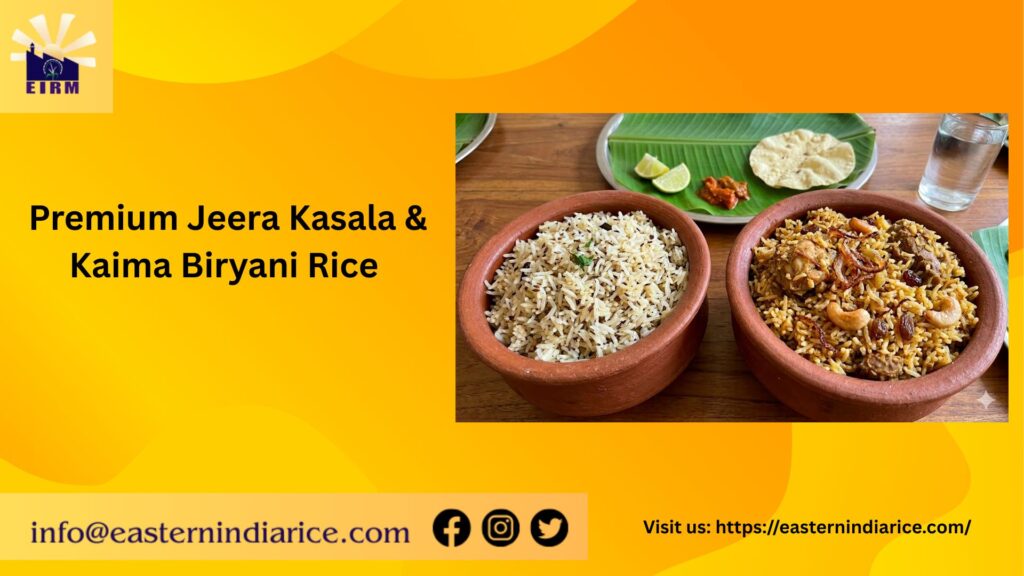
For example, Jeera kasala rice is expected to remain fluffy and separate after cooking, making it perfect for biryani preparation. Similarly, Kaima rice should deliver a rich aroma and smooth texture suitable for traditional dishes.
Only batches that pass these cooking tests move forward for packaging and distribution.
Advanced Quality Inspection
Modern rice processing units use laboratory testing to ensure food safety and purity. Samples are tested for grain length, purity percentage, moisture level, and absence of contaminants.
These inspections help maintain consistent quality across every packet. Reliable gobindo bhog rice manufacturers in india follow national and international food safety standards to build customer trust.
Continuous monitoring also helps identify and remove defects before products reach the market.
Hygienic Packaging Process
Packaging is the final step in quality control. Rice is packed using automated systems to avoid human contamination. Strong and food-grade packaging materials protect grains from moisture, dust, and damage during transportation.
Proper sealing also helps retain freshness and aroma for a long time. Premium brands like EIRM focus on safe packaging so customers receive rice in perfect condition.
Consistency Builds Customer Trust
Quality control is not just about checking rice once; it is an ongoing process followed at every stage. From farm selection and processing to storage and packaging, each step ensures customers enjoy consistent taste and quality every time they cook.
Premium varieties such as Jeera kasala rice and Kaima rice require extra care because customers expect superior cooking results. Maintaining these standards helps brands build long-term trust and satisfaction.
Conclusion
High-quality rice production depends on strict quality control practices. Careful paddy selection, advanced cleaning, controlled milling, moisture management, laboratory testing, and hygienic packaging all work together to maintain premium standards.
When trusted manufacturers follow these processes, customers receive aromatic, pure, and perfectly textured rice for their favorite dishes. With strong quality systems in place, brands like Eastern India Rice Mill (MINI) continue delivering excellence, ensuring every grain meets the expectations of modern kitchens and traditional cooking alike.