Eastern India Rice Blog

Gobindo Bhog Rice Suppliers

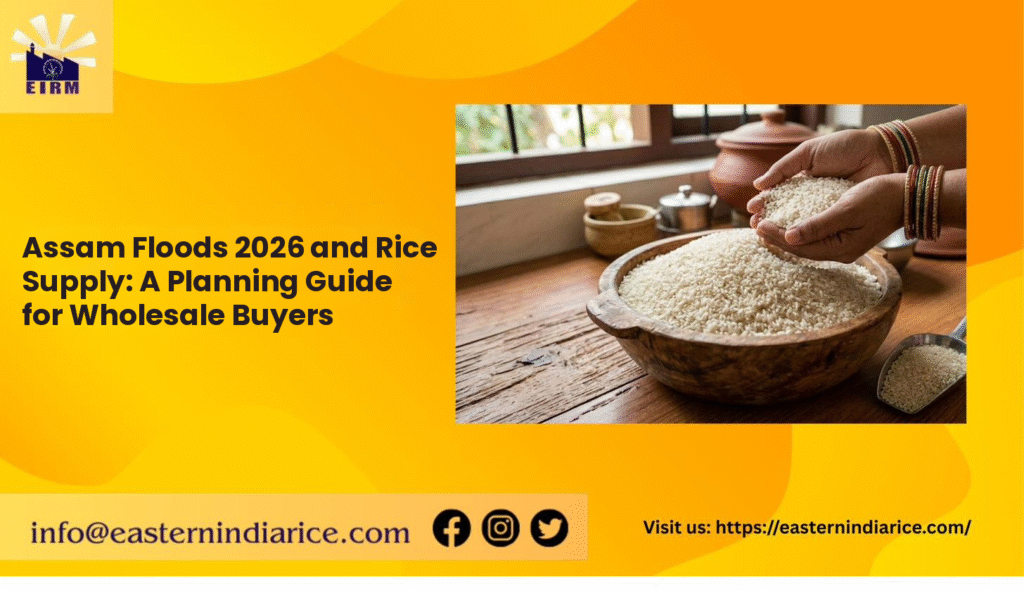
Assam Floods 2026 and Rice Supply: A Planning Guide for Wholesale Buyers
eirm-assam-floods-2026-rice-supply

The 2026 Assam floods have disrupted rice movement, local paddy and warehouse conditions across Upper Assam, and wholesale buyers should plan for delayed deliveries and elevated moisture risk rather than assume a normal monsoon cycle. This guide sets out what has changed on the ground, what it means for stock held in Assam, and the storage and quality checks that matter most over the next eight to twelve weeks. Before anything else: this is a humanitarian event first. Relief operations across the affected districts are ongoing, and the guidance below is written for buyers and distributors managing stock, not as commentary on the crisis itself. What has happened The current flood cycle began on 19 July 2026, when a cloudburst in Mon district, Nagaland, pushed the south-bank tributaries of the Brahmaputra – the Dikhow, Disang, Janji and Dhansiri – above danger level. Official figures placed the death toll at 100 as of 10 August, with several rivers still running high. Around 25,000 hectares of standing crop were submerged during the cycle. What makes this event unusual is its geography. Sivasagar, Charaideo, Jorhat, Golaghat and Dibrugarh are Upper Assam districts that do not normally flood at this scale, so a large share of the affected warehousing, road links and rail movement sits outside the routes traders usually treat as flood-exposed. Planning built on previous years’ patterns will under-estimate this one. What it means for rice supply in Assam Three effects matter to wholesale buyers, and they arrive on different timelines. Movement, immediately. Damaged roads, bridges and inundated rail sections in Upper Assam slow inbound consignments and add days to transit. Deliveries scheduled against a normal lead time will run late. Build buffer into purchase orders placed now rather than expediting later. Local kharif paddy, from November. Sali paddy – Assam’s main kharif crop – is transplanted through July and August and harvested from November. Fields submerged during the transplanting window affect that harvest, not current availability. Any supply effect on locally grown rice is a winter question, not an August one. Storage, throughout. This is the risk most buyers under-weight. Ambient humidity in flood-affected districts stays elevated for weeks after water recedes. Rice stored at raised moisture absorbs it further, and that is where stock is quietly lost – not to the water itself, but to what the air does to bags stacked on a damp godown floor. Aromatic varieties carry an extra consideration. Gobindobhog is a short-grain aromatic rice, and its aroma compounds degrade faster in humid storage than in dry conditions. Stock intended for the festive quarter should be rotated and inspected more often than usual. Our guide on why aged rice behaves differently from new-season rice explains the ageing and moisture relationship in more detail. A post-flood storage checklist Apply these to any consignment held in or routed through an affected district: Quality risk rises in a tight market When supply tightens in any region, mislabelling and blending increase. Buyers sourcing aromatic rice during a disrupted period should tighten incoming inspection rather than relax it to keep shelves filled. Our post on how to check Gobindobhog rice purity before you buy sets out the grain, aroma and cook-test checks that need no laboratory. Two practical safeguards: ask for the mill’s despatch documentation on every lot, and confirm that the origin stated on the bag matches the origin on the invoice. Gobindobhog is milled at source in Purba Bardhaman, West Bengal โ€” well outside the current flood-affected districts – so origin documentation is straightforward to verify for genuine consignments and difficult to fake convincingly. Planning the next quarter Order earlier than your normal cycle, hold slightly more buffer than usual, and inspect on receipt. Those three adjustments cover most of the exposure. For buyers building a longer procurement plan, our Assam wholesale rice buying guide covers order sizing, documentation and distributor terms in full, and the bulk procurement guide works through minimum quantities and despatch scheduling. FAQ
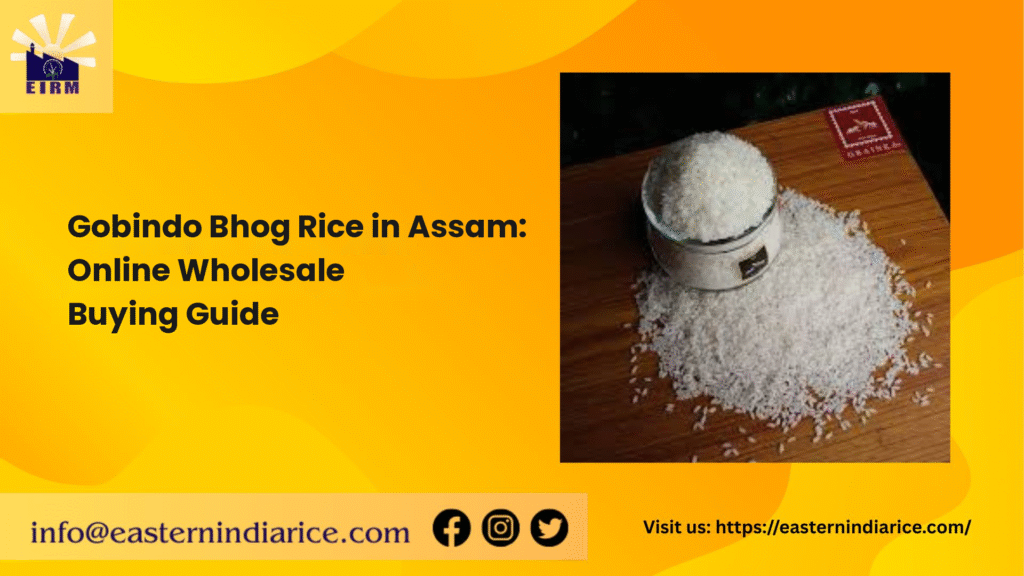
Gobindo Bhog Rice in Assam: Online Wholesale Buying Guide

gobindo-bhog-rice-assam-wholesale

Can you buy Gobindo Bhog rice in Assam at wholesale rates without visiting a mandi or arguing over one small sample bowl? Yes. A reliable Gobindo Bhog rice supplier in Assam can share the landed rate per kg, grain specifications, bag details, and delivery plan before you place a bulk order. They should also ship 25 kg or 50 kg sacks directly to Guwahati or your district town. The real issue is not availability. It is quality. Many buyers pay for Gobindabhog and receive new crop rice with little aroma, uneven grains, or a mix of cheaper varieties. West Bengal produces around 2.5 to 3 lakh tonnes of premium scented rice during the kharif season across nearly 90,000 to 1,00,000 hectares. Only a small share is true Gobindobhog. That limited supply creates room for genuine millers, but it also gives sellers a chance to relabel cheaper grain. Before confirming online wholesale, compare rates, pack sizes, MOQ, quality specs, and paperwork. Why Gobindo Bhog Rice Works Well for Bulk Buying Gobindobhog is a short grain aromatic rice from the Damodar belt of Purba Bardhaman, West Bengal. It has a Geographical Indication, or GI tag, because the GI belt has the soil and climate that create its recognised fragrance. Gobindabhog and Tulaipanji received registration as premium traditional aromatic rices of West Bengal in October 2017. The GI tag matters in trade because the name has a legal origin. A seller claiming to offer Gobindo Bhog grown outside this belt should explain exactly what is inside the bag. Our guide on where this rice is grown explains why this region matters. For restaurants, caterers, and hotel kitchens, this aromatic short grain rice makes daily cooking easier. Eastern India Rice Mill ages each lot up to 2 years. This 2 year aged process helps protect the fragrance and cooking quality. Read more about the distinct aroma. Gobindo Bhog Rice Price in Assam: 2026 Wholesale Rates The Gobindo Bhog rice price in Assam depends on crop age, bag size, order volume, and freight. The wholesale price usually falls between โ‚น120 and โ‚น190 per kg. Guwahati often sits at the higher end because transport from Bengal adds to the landed rate. Do not compare marketplace retail packs with wholesale rates. Compare bag rates with bag rates. Pack size Best for Indicative wholesale price 1 kg and 5 kg packs Households, festive use, gifting โ‚น150 to โ‚น190 per kg 10 kg pack Tea stalls and small caterers โ‚น145 to โ‚น180 per kg 25 kg bag / 26 kg PP bag Restaurants, kirana and hotel kitchens โ‚น140 to โ‚น175 per kg 30 kg sack / 50 kg sack Distributors and bulk buyers โ‚น120 to โ‚น155 per kg Volume slabs matter more than long bargaining. A 100 kg bulk order and a 1,000 kg order should not carry the same rate. If a rice supplier in Assam offers one flat price for every quantity, they may be quoting a retail rate as wholesale. Bag Sizes, MOQ and Storage Minimum order quantity can look confusing because MOQ ranges from 5 kg to 25 metric tonnes across the market. Start with your monthly usage, not the supplierโ€™s preferred quantity. Restaurants and caterers usually choose a 25 kg bag or 26 kg PP bag because it stacks well and finishes before the aroma weakens. A kirana or grocery counter can combine 1 kg and 5 kg packs with a larger bag for loose sale. Distributors should discuss 30 kg sack and 50 kg sack pricing from 500 kg upward. A jute bag breathes better in Assam humidity. HDPE and PP bag packaging handles transport better. Choose the material based on storage conditions. DOUBLE D.P. BRAND from Eastern India Rice Mill comes in 25 kg bags and already supplies Assam, Kerala, and West Bengal. MALIK DEENAR offers the same grain for southern kitchens. Quality Specs to Confirm Before Payment A dependable gobindobhog rice manufacturer puts the following details in writing. Spec Standard to request Why it matters Admixture 2% or lower Reduces the risk of cheaper grain mixed in Broken 1% maximum Helps prevent sticky rice Moisture 13% to 14% maximum Protects the weight and shelf life Purity 99% and above Confirms a single variety Shelf life 12 months or 2 years Helps identify aged stock Cultivation type Common or organic stated clearly Keeps pricing honest Country of origin West Bengal, India Supports the GI claim Check GST and FSSAI details before the first consignment, not after a dispute. Eastern India Rice Mill holds GST 19AAACN9002E1ZQ and FSSAI licence 12817022000130 for its Purba Bardhaman unit.  Our guide on check Gobindobhog rice purity explains what to examine before you buy. Joha or Gobindo Bhog? Know the Difference Joha rice of Assam has its own GI under Certificate No. 287, issued on 27 April 2017 to Assam Agricultural University and Seuj Satirtha. Joha is Assamese. Gobindobhog is Bengali. They are both aromatic, but they are not the same rice. Supply shortages sometimes lead sellers to place different short-grain varieties under one familiar name. You may also see Sona Chur, Chitti Muthyalu, Kaima, Jeerakasala rice, or Jeerasambha rice. Some may offer a similar eating experience, while others are separate varieties. When you buy gobindo bhog rice in assam online wholesale, ensure the name on the bag matches the variety inside it. Choosing a Supplier for Guwahati Delivery Searching โ€œrice wholesaler near meโ€ in Fancy Bazar can work until stock runs out and you receive a different millโ€™s rice. Buying direct helps you understand the source, landed rate, and delivery responsibility. Before ordering, confirm these points: Eastern India Rice Mill has supplied Assam, Sikkim, Bihar, and Nepal since the 1960s. Our unit in Purba Bardhaman has more than 10 years of manufacturing behind its labels. As gobindo bhog rice manufacturers in India, we ship direct and understand the Northeast route. You can also see why buyers buy Gobindo Bhog rice online in Assam. Get Your Assam Bulk Order Moving Good buying does not depend only on …

Gobindo Bhog Rice in Assam: Online Wholesale Buying Guide Read More »

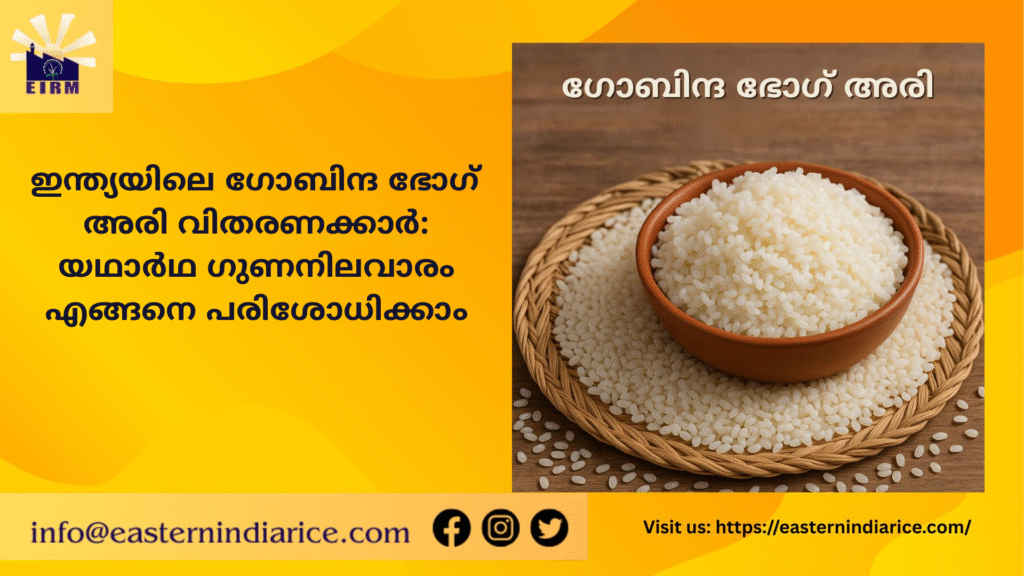
เด‡เดจเตเดคเตเดฏเดฏเดฟเดฒเต† เด—เต‹เดฌเดฟเดจเตเดฆ เดญเต‹เด—เต เด…เดฐเดฟ เดตเดฟเดคเดฐเดฃเด•เตเด•เดพเตผ: เดฏเดฅเดพเตผเดฅ เด—เตเดฃเดจเดฟเดฒเดตเดพเดฐเด‚ เดŽเด™เตเด™เดจเต† เดชเดฐเดฟเดถเต‹เดงเดฟเด•เตเด•เดพเด‚

เด—เต‹เดฌเดฟเดจเตเดฆ เดญเต‹เด—เต เด…เดฐเดฟ

เด—เต‹เดฌเดฟเดจเตเดฆ เดญเต‹เด—เต เดŽเดจเตเดจเต เดŽเดดเตเดคเดฟเดฏ เด…เดฐเดฟเด•เตเด•เต เด•เต‚เดŸเตเดคเตฝ เดชเดฃเด‚ เดจเตฝเด•เตเดฎเตเดชเต‹เตพ, เด•เตˆเดฏเดฟเดฒเตเดณเตเดณ เดชเดพเด•เตเด•เดฑเตเดฑเดฟเตฝ เดฏเดฅเดพเตผเดฅ เด…เดฐเดฟเดฏเดพเดฃเต‹ เดŽเดจเตเดจเต เดธเด‚เดถเดฏเดฟเด•เตเด•เตเด• เดธเตเดตเดพเดญเดพเดตเดฟเด•เดฎเดพเดฃเต. เด…เดคเดฟเดจเต เดฒเดณเดฟเดคเดฎเดพเดฏ เดฎเดฑเตเดชเดŸเดฟเดฏเตเดฃเตเดŸเต. เด…เดฐเดฟเดฎเดฃเดฟเดฏเตเดŸเต† เด†เด•เตƒเดคเดฟ, เดธเตเดตเดพเดญเดพเดตเดฟเด• เดธเตเด—เดจเตเดงเด‚, เดฒเต‡เดฌเตฝ, เดจเดฟเด™เตเด™เตพ เดตเดพเด™เตเด™เตเดจเตเดจ เด‡เดจเตเดคเตเดฏเดฏเดฟเดฒเต† เด—เต‹เดฌเดฟเดจเตเดฆ เดญเต‹เด—เต เด…เดฐเดฟ เดตเดฟเดคเดฐเดฃเด•เตเด•เดพเดฐเตเดŸเต† เดฐเต‡เด–เด•เตพ เดŽเดจเตเดจเดฟเดต เด’เดฐเตเดฎเดฟเดšเตเดšเต เดชเดฐเดฟเดถเต‹เดงเดฟเดšเตเดšเดพเตฝ เด—เตเดฃเดจเดฟเดฒเดตเดพเดฐเด‚ เด‰เดฑเดชเตเดชเดพเด•เตเด•เดพเด‚. เด‡เดตเดฏเดฟเตฝ เดเดคเต†เด™เตเด•เดฟเดฒเตเด‚ เด’เดฐเต เด•เดพเดฐเตเดฏเด‚ เดชเด•เตผเดคเตเดคเดพเตป เด•เดดเดฟเดฏเตเด‚. เดŽเดจเตเดจเดพเตฝ เดจเดพเดฒเตเด‚ เด’เดฐเตเดฎเดฟเดšเตเดšเต เดชเด•เตผเดคเตเดคเตเด• เดตเดณเดฐเต† เดฌเตเดฆเตเดงเดฟเดฎเตเดŸเตเดŸเดพเดฃเต. 2024-25 เดตเดฟเดณเดตเต†เดŸเตเดชเตเดชเต เดตเตผเดทเดคเตเดคเดฟเตฝ เด‡เดจเตเดคเตเดฏ 150.18 เดฆเดถเดฒเด•เตเดทเด‚ เดŸเตบ เด…เดฐเดฟ เด‰เดคเตเดชเดพเดฆเดฟเดชเตเดชเดฟเดšเตเดšเต. เด‡เดคเตเดฐ เดตเดฒเดฟเดฏ เดตเดฟเดชเดฃเดฟเดฏเดฟเตฝ เดˆ เดšเต†เดฑเดฟเดฏ เดธเตเด—เดจเตเดง เด…เดฐเดฟ เดตเดฟเดฒเด•เตเดฑเดžเตเดž เด…เดฐเดฟเดฏเตเดฎเดพเดฏเดฟ เด•เดฒเตผเดคเตเดคเดฟ เดคเต†เดฑเตเดฑเดพเดฏ เดชเต‡เดฐเดฟเตฝ เดตเดฟเตฝเด•เตเด•เดชเตเดชเต†เดŸเดพเตป เดธเดพเดงเตเดฏเดคเดฏเตเดฃเตเดŸเต. เด…เดคเดฟเดจเดพเตฝ เดจเดฟเด™เตเด™เตพ เดฑเดธเตเดฑเตเดฑเต‹เดฑเดจเตเดฑเต เดจเดŸเดคเตเดคเตเด•เดฏเต‹, เดฎเตŠเดคเตเดคเดฎเดพเดฏเดฟ เดตเดฟเตฝเด•เตเด•เตเด•เดฏเต‹, เดตเต€เดŸเตเดŸเดฟเตฝ เดชเดพเดšเด•เด‚ เดšเต†เดฏเตเดฏเตเด•เดฏเต‹ เดšเต†เดฏเตเดคเดพเดฒเตเด‚ เดฏเดฅเดพเตผเดฅ เด…เดฐเดฟเดฏเตเด‚ เด•เตƒเดคเตเดฐเดฟเดฎ เดชเด•เตผเดชเตเดชเตเด‚ เดคเดฎเตเดฎเดฟเดฒเตเดณเตเดณ เดตเตเดฏเดคเตเดฏเดพเดธเด‚ เดˆ เด—เตˆเดกเต เดตเตเดฏเด•เตเดคเดฎเดพเด•เตเด•เตเด‚. เดฏเดฅเดพเตผเดฅ เด—เต‹เดฌเดฟเดจเตเดฆ เดญเต‹เด—เต เด…เดฐเดฟ เดŽเดจเตเดคเดพเดฃเต เด—เต‹เดฌเดฟเดจเตเดฆ เดญเต‹เด—เต เดชเดถเตเดšเดฟเดฎ เดฌเด‚เด—เดพเดณเดฟเตฝ เดจเดฟเดจเตเดจเตเดณเตเดณ เดšเต†เดฑเดฟเดฏ เดงเดพเดจเตเดฏเดฎเตเดณเตเดณ เดธเตเด—เดจเตเดง เด…เดฐเดฟเดฏเดพเดฃเต. เด‡เดคเดฟเดจเตเดฑเต† เดฏเดฅเดพเตผเดฅ เดชเตเดฐเดฆเต‡เดถเด‚ เดฆเดพเดฎเต‹เดฆเตผ เดจเดฆเดฟเด•เตเด•เดฐเดฏเดฟเดฒเตเดณเตเดณ เดชเดดเดฏ เดฌเตผเดฆเตเดตเดพเตป เดœเดฟเดฒเตเดฒเดฏเดพเดฏ เดชเต‚เตผเดต เดฌเตผเดงเดฎเดพเตป เด†เดฃเต. 2017-เตฝ 531 เดŽเดจเตเดจ เดจเดฎเตเดชเดฑเดฟเตฝ เดˆ เด…เดฐเดฟเด•เตเด•เต เด”เดฆเตเดฏเต‹เด—เดฟเด• GI เดŸเดพเด—เต เดฒเดญเดฟเดšเตเดšเต. เดญเด•เตเดทเตเดฏ เด‰เตฝเดชเตเดชเดจเตเดจเดคเตเดคเดฟเดจเตเดฑเต† เดœเดจเดจ เดธเตผเดŸเตเดŸเดฟเดซเดฟเด•เตเด•เดฑเตเดฑเต เดชเต‹เดฒเต†เดฏเดพเดฃเต GI เดŸเดพเด—เต. เด…เดคเดฟเดจเดพเตฝ เดฌเด‚เด—เดพเดณเดฟเดฒเต† เด† เดจเดฟเดถเตเดšเดฟเดค เดชเตเดฐเดฆเต‡เดถเดคเตเดคเต เดตเดณเตผเดจเตเดจ เด…เดฐเดฟเด•เตเด•เต เดฎเดพเดคเตเดฐเดฎเต‡ เด—เต‹เดฌเดฟเดจเตเดฆ เดญเต‹เด—เต เดŽเดจเตเดจ เดชเต‡เดฐเต เดธเดคเตเดฏเดธเดจเตเดงเดฎเดพเดฏเดฟ เด‰เดชเดฏเต‹เด—เดฟเด•เตเด•เดพเดจเดพเด•เต‚. เดฏเดฅเดพเตผเดฅ เดฎเดฃเดฟเด•เตพ เดšเต†เดฑเตเดคเตเด‚ เดตเตƒเดคเตเดคเดพเด•เดพเดฐเดตเตเดฎเดพเดฃเต. เดคเดฟเดณเด™เตเด™เตเดจเตเดจ เดตเต†เดณเตเดชเตเดชเดฟเดจเต เดชเด•เดฐเด‚ เด•เตเดฐเต€เด‚ เดจเดฟเดฑเด‚ เด•เดพเดฃเตเด‚. เดชเดพเดšเด•เด‚ เดšเต†เดฏเตเดฏเตเดจเตเดจเดคเดฟเดจเต เดฎเตเดฎเตเดชเตเดคเดจเตเดจเต† เดฎเดงเตเดฐเดตเตเด‚ เดตเต†เดฃเตเดฃเดฏเตเดŸเต† เดธเตเดตเดญเดพเดตเดตเตเดฎเตเดณเตเดณ เดฎเดฃเด‚ เดฒเดญเดฟเด•เตเด•เตเด‚. เดชเดพเด•เด‚ เดšเต†เดฏเตเดคเดพเตฝ เด…เดฐเดฟ เดฎเตƒเดฆเตเดตเดพเดฏเตเด‚ เด…เดฒเตเดชเด‚ เด’เดŸเตเดŸเตเดจเตเดจเดคเดพเดฏเตเด‚ เดฎเดพเดฑเตเด‚. เด…เดคเตเด•เตŠเดฃเตเดŸเดพเดฃเต เด—เต‹เดฌเดฟเดจเตเดฆ เดญเต‹เด—เต เดฌเดฟเดฐเดฟเดฏเดพเดฃเดฟ เด…เดฐเดฟ, เด–เดฟเดšเตเดšเตเดกเดฟ, เดชเดพเดฏเต‡เดทเต, เดคเต†เด•เตเด•เต‡ เด‡เดจเตเดคเตเดฏเดฏเดฟเตฝ เดชเตเดฐเดฟเดฏเดฎเดพเดฏ เดจเต†เดฏเตเดฏเดฐเดฟ เดŽเดจเตเดจเดฟเดตเดฏเตเด•เตเด•เต เด‡เดคเต เดฏเต‹เดœเดฟเด•เตเด•เตเดจเตเดจเดคเต. เดฏเดฅเดพเตผเดฅ เด—เต‹เดฌเดฟเดจเตเดฆ เดญเต‹เด—เต เด…เดฐเดฟเดฏเตเดŸเต† เด…เดŸเดฏเดพเดณเด™เตเด™เตพ เดตเดฟเตฝเดชเตเดชเดจเด•เตเด•เดพเดฐเดจเต† เดตเดฟเดถเตเดตเดธเดฟเด•เตเด•เตเดจเตเดจเดคเดฟเดจเต เดฎเตเดฎเตเดชเต เด…เดฐเดฟเดฎเดฃเดฟ เดตเดพเดฏเดฟเด•เตเด•เดพเตป เดชเด เดฟเด•เตเด•เตเด•. เด…เดŸเดฏเดพเดณเด™เตเด™เตพ เด…เดฑเดฟเดฏเดพเดฎเต†เด™เตเด•เดฟเตฝ เด…เดฐเดฟ เดคเดจเตเดจเต† เดชเดฒ เด•เดพเดฐเตเดฏเด™เตเด™เดณเตเด‚ เดชเดฑเดžเตเดžเตเดคเดฐเตเด‚. GI เดฎเต‡เด–เดฒเดฏเตเด•เตเด•เตเดณเตเดณเดฟเดฒเต† เดˆเดธเตเดฑเตเดฑเต‡เตบ เด‡เดจเตเดคเตเดฏ เดฑเตˆเดธเต เดฎเดฟเตฝ เดชเต‚เตผเดต เดฌเตผเดงเดฎเดพเดจเดฟเตฝ เดจเดฟเดจเตเดจเต เด“เดฐเต‹ เดฌเดพเดšเตเดšเตเด‚ เดชเดพเดฏเตเด•เตเด•เต เดšเต†เดฏเตเดฏเตเดจเตเดจเต. เด…เดคเดฟเดจเดพเตฝ เด…เดฐเดฟเดฎเดฃเดฟ, เดธเตเด—เดจเตเดงเด‚, เดฒเต‡เดฌเตฝ เดŽเดฒเตเดฒเดพเด‚ เด’เดฐเต‡ เดตเดฟเดถเตเดตเดพเดธเดฏเต‹เด—เตเดฏเดฎเดพเดฏ เด‰เดฑเดตเดฟเดŸเดคเตเดคเดฟเดฒเต‡เด•เตเด•เต เดŽเดคเตเดคเดฟเดšเตเดšเต‡เดฐเตเด‚. เดชเดฃเด‚ เดจเตฝเด•เตเดจเตเดจเดคเดฟเดจเต เดฎเตเดฎเตเดชเต เดจเดฟเด™เตเด™เตพ เดจเต‹เด•เตเด•เต‡เดฃเตเดŸ เดชเตŠเดฐเตเดคเตเดคเด‚ เด‡เดคเดพเดฃเต. เด‡เดจเตเดคเตเดฏเดฏเดฟเดฒเต† เด—เต‹เดฌเดฟเดจเตเดฆ เดญเต‹เด—เต เด…เดฐเดฟ เดตเดฟเดคเดฐเดฃเด•เตเด•เดพเดฐเต† เดŽเด™เตเด™เดจเต† เดชเดฐเดฟเดถเต‹เดงเดฟเด•เตเด•เดพเด‚ เด…เดฐเดฟเดฏเตเดŸเต† เดชเดฐเดฟเดถเต‹เดงเดจ เด…เดฐเดฟเดฏเต†เด•เตเด•เตเดฑเดฟเดšเตเดšเดพเดฃเต เดชเดฑเดฏเตเดจเตเดจเดคเต. เดŽเดจเตเดจเดพเตฝ เดธเต‚เด•เตเดทเตเดฎเดฎเดพเดฏ เดตเดพเด™เตเด™เตเดจเตเดจเดฏเดพเตพ เดตเดฟเตฝเดชเตเดชเดจเด•เตเด•เดพเดฐเดจเต†เดฏเตเด‚ เดชเดฐเดฟเดถเต‹เดงเดฟเด•เตเด•เตเด‚. เดชเดฒ เด—เตˆเดกเตเด•เดณเตเด‚ เดตเดฟเดŸเตเดŸเตเด•เดณเดฏเตเดจเตเดจ เดชเตเดฐเดงเดพเดจ เด˜เดŸเตเดŸเด‚ เด‡เดคเดพเดฃเต. เด—เต‹เดฌเดฟเดจเตเดฆ เดญเต‹เด—เต เด…เดฐเดฟ เดจเดฟเตผเดฎเดพเดคเดพเด•เตเด•เตพ เด‡เดจเตเดคเตเดฏเดฏเดฟเดฒเต† เดชเดฒ เดฒเดฟเดธเตเดฑเตเดฑเดฟเด™เตเด™เตเด•เดณเดฟเดฒเตเด‚ เดชเตเดฑเดฎเต‡ เดจเดฒเตเดฒเดคเดพเดฏเดฟ เดคเต‹เดจเตเดจเตเด‚. เดฏเดฅเดพเตผเดฅ เดคเต†เดณเดฟเดตเต เด…เดตเดฐเตเดŸเต† เดฐเต‡เด–เด•เดณเดฟเดฒเตเด‚ เดชเดฐเดฟเดถเต‹เดงเดจ เดธเตเดตเต€เด•เดฐเดฟเด•เตเด•เดพเดจเตเดณเตเดณ เดธเดจเตเดจเดฆเตเดงเดคเดฏเดฟเดฒเตเดฎเดพเดฃเต. เดˆเดธเตเดฑเตเดฑเต‡เตบ เด‡เดจเตเดคเตเดฏ เดฑเตˆเดธเต เดฎเดฟเตฝ 2009 เดฎเตเดคเตฝ เดชเดพเดฒเดฟเด•เตเด•เตเดจเตเดจ เด—เตเดฃเดจเดฟเดฒเดตเดพเดฐ เดšเดŸเตเดŸเด™เตเด™เตพ เดชเตเดฐเด•เดพเดฐเด‚ เดธเตเดตเดจเตเดคเด‚ เดถเต‡เด–เดฐเด‚ เดฎเดฟเดฒเตเดฒเดฟเตฝ เดธเด‚เดธเตเด•เดฐเดฟเด•เตเด•เตเด•เดฏเตเด‚ เดชเดพเดฏเตเด•เตเด•เต เดšเต†เดฏเตเดฏเตเด•เดฏเตเด‚ เดšเต†เดฏเตเดฏเตเดจเตเดจเต. เด…เดคเดฟเดจเดพเตฝ เดˆ เดšเต‹เดฆเตเดฏเด™เตเด™เตพเด•เตเด•เตŠเดจเตเดจเตเด‚ เดจเดฟเด™เตเด™เตพเด•เตเด•เต เดจเต‡เดฐเดฟเดŸเตเดŸเตเดณเตเดณ เดฎเดฑเตเดชเดŸเดฟ เดฒเดญเดฟเด•เตเด•เตเด‚. 1960s-เดฒเต‡เด•เตเด•เต เดชเต‹เด•เตเดจเตเดจ เดตเต‡เดฐเตเด•เดณเตเดณเตเดณ เดˆเดธเตเดฑเตเดฑเต‡เตบ เด‡เดจเตเดคเตเดฏ เดฑเตˆเดธเต เดฎเดฟเตฝ, เด’เดฐเต เดฌเดพเด—เต เด“เตผเดกเตผ เดšเต†เดฏเตเดฏเตเดจเตเดจเดคเดฟเดจเต เดฎเตเดฎเตเดชเต เดชเดฐเดฟเดถเต‹เดงเดฟเด•เตเด•เดพเดตเตเดจเตเดจ เดฐเต‡เด–เด•เดณเดพเดฃเต เดจเตฝเด•เตเดจเตเดจเดคเต. เดชเดฐเดฟเดถเต‹เดงเดจเดพ เดชเต‹เดฏเดฟเดจเตเดฑเต เดฏเดฅเดพเตผเดฅ เด—เต‹เดฌเดฟเดจเตเดฆ เดญเต‹เด—เต เดฎเดฟเดถเตเดฐเดฟเดคเดฎเต‹ เด•เตƒเดคเตเดฐเดฟเดฎเดฎเต‹ เด…เดฐเดฟเดฎเดฃเดฟ เดšเต†เดฑเตเดคเต, เดตเตƒเดคเตเดคเดพเด•เดพเดฐเด‚, เด’เดฐเต‡เดชเต‹เดฒเต† เดจเต€เดณเด‚, เดชเดฒ เดตเดฒเดฟเดชเตเดชเด™เตเด™เตพ เดธเตเด—เดจเตเดงเด‚ เดธเตเดตเดพเดญเดพเดตเดฟเด•เด‚, เดฎเดงเตเดฐเด‚, เดตเต†เดฃเตเดฃเดฏเตเดŸเต† เดธเตเดตเดญเดพเดตเด‚ เดคเดณเดฟเดšเตเดšเดคเต‹ เดฎเดฃเดฎเดฟเดฒเตเดฒเดพเดคเตเดคเดคเต‹ เด‰เดคเตเดญเดต เดคเต†เดณเดฟเดตเต เดชเต‚เตผเดต เดฌเตผเดงเดฎเดพเตป, GI เดชเดฟเดจเตเดคเตเดฃเดฏเตเดณเตเดณเดคเต เด…เดตเตเดฏเด•เตเดคเด‚ เด…เดฒเตเดฒเต†เด™เตเด•เดฟเตฝ เด‡เดฒเตเดฒ เดฒเต‡เดฌเตฝ FSSAI, เดฌเดพเดšเตเดšเต, เดชเดพเด•เตเด•เดฟเด‚เด—เต เดคเต€เดฏเดคเดฟ เดถเต‚เดจเตเดฏเด‚ เด…เดฒเตเดฒเต†เด™เตเด•เดฟเตฝ เดชเตŠเดคเตเดตเดพเดฏเดคเต เดตเดฟเดฒ เดจเตเดฏเดพเดฏเดฎเดพเดฏ เด‰เดฏเตผเดจเตเดจ เดตเดฟเดฒ เดธเด‚เดถเดฏเด•เดฐเดฎเดพเดฏเดฟ เด•เตเดฑเดžเตเดžเดคเต เดจเดฟเด™เตเด™เดณเตเดŸเต† เดธเด‚เดธเตเดฅเดพเดจเดคเตเดคเดฟเดจเต เด…เดจเตเดธเดฐเดฟเดšเตเดšเต เดตเดฟเดคเดฐเดฃเด•เตเด•เดพเดฐเดจเต† เดคเดฟเดฐเดžเตเดžเต†เดŸเตเด•เตเด•เตเด• เดจเดฟเด™เตเด™เตพ เดคเดพเดฎเดธเดฟเด•เตเด•เตเดจเตเดจ เดธเตเดฅเดฒเด‚ เดเดคเต เดชเดพเด•เตเด•เดฑเตเดฑเต เดชเตเดคเตเดคเดพเดฏเดฟ เดŽเดคเตเดคเตเดฎเต†เดจเตเดจเต เดคเต€เดฐเตเดฎเดพเดจเดฟเด•เตเด•เตเดจเตเดจเต. เด…เดคเดฟเดจเดพเตฝ เด†เดฒเต‹เดšเดฟเด•เตเด•เดพเดคเต† เดตเดพเด™เตเด™เดพเดคเต† เดจเดฟเด™เตเด™เดณเตเดŸเต† เดชเตเดฐเดฆเต‡เดถเดคเตเดคเดฟเดจเต เด…เดจเตเดฏเต‹เดœเตเดฏเดฎเดพเดฏ เดฌเตเดฐเดพเตปเดกเต เดคเดฟเดฐเดžเตเดžเต†เดŸเตเด•เตเด•เตเด•. เดชเดฒเดฐเตเด‚ เด•เดฐเตเดคเตเดจเตเดจเดคเดฟเดฒเตเด‚ เด•เต‚เดŸเตเดคเตฝ, เดคเต†เด•เตเด•เตป เด…เดŸเตเด•เตเด•เดณเด•เตพ เดจเต†เดฏเตเดฏเดฐเดฟเด•เตเด•เตเด‚ เดฌเดฟเดฐเดฟเดฏเดพเดฃเดฟเด•เตเด•เตเด‚ เดˆ เด…เดฐเดฟ เด‰เดชเดฏเต‹เด—เดฟเด•เตเด•เตเดจเตเดจเต. เด•เต‡เดฐเดณเด‚, เด…เดธเด‚ เดตเดพเด™เตเด™เตเดจเตเดจเดตเตผเด•เตเด•เต, เดˆ เด…เดฐเดฟ เดชเดคเดฟเดตเดพเดฏเดฟ เดชเดพเด•เด‚ เดšเต†เดฏเตเดฏเตเดจเตเดจ เดตเต€เดŸเตเด•เตพเด•เตเด•เดพเดฏเดฟ เดคเดฏเตเดฏเดพเดฑเดพเด•เตเด•เดฟเดฏ 25 kg เดชเดดเด•เตเด•เดฎเตเดณเตเดณ เดกเดฌเดฟเตพ เดกเดฟ.เดชเดฟ. เดฌเตเดฐเดพเตปเดกเต เดตเดฟเดถเตเดตเดธเดฟเด•เตเด•เดพเด‚. เดจเดฟเด™เตเด™เตพ เด…เดธเดฎเดฟเตฝ เด“เตบเดฒเตˆเดจเดพเดฏเดฟ เดฎเตŠเดคเตเดคเดตเดฟเดฒเดฏเตเด•เตเด•เต เด—เต‹เดฌเดฟเดจเตเดฆ เดญเต‹เด—เต เด…เดฐเดฟ เด…เดจเตเดตเต‡เดทเดฟเด•เตเด•เตเด•เดฏเดพเดฃเต†เด™เตเด•เดฟเตฝ, เดšเดฟเดฒเตเดฒเดฑ เดตเดพเด™เตเด™เดฒเดฟเดจเต‹ เด…เดธเดฎเดฟเดฒเต† เด—เต‹เดฌเดฟเดจเตเดฆ เดญเต‹เด—เต เด…เดฐเดฟ เดตเดฟเดคเดฐเดฃเด•เตเด•เดพเดฐเตป เดŽเดจเตเดจ เดจเดฟเดฒเดฏเดฟเตฝ เดตเดพเด™เตเด™เตเดจเตเดจเดคเดฟเดจเต‹ เดธเดนเดพเดฏเดฟเด•เตเด•เตเดจเตเดจ เดžเด™เตเด™เดณเตเดŸเต† เดธเดฎเด—เตเดฐ เด…เดธเด‚ เด—เตˆเดกเต เด•เดพเดฃเตเด•. เดคเดฎเดฟเดดเตเดจเดพเดŸเต, เด•เตผเดฃเดพเดŸเด• เดตเดพเด™เตเด™เตเดจเตเดจเดตเตผ เดธเดพเดงเดพเดฐเดฃเดฏเดพเดฏเดฟ เดคเต†เด•เตเด•เตป เดตเต€เดŸเตเด•เตพเด•เตเด•เดพเดฏเดฟ เดฐเต‚เดชเด•เตฝเดชเตเดชเดจ เดšเต†เดฏเตเดค 1 kg, 25 kg เดฎเดพเดฒเดฟเด•เต เดฆเต€เดจเดพเตผ เดชเดพเด•เตเด•เดฑเตเดฑเตเด•เดณเดพเดฃเต เดคเดฟเดฐเดžเตเดžเต†เดŸเตเด•เตเด•เตเดจเตเดจเดคเต. เดคเดฎเดฟเดดเตเดจเดพเดŸเตเดŸเดฟเดฒเต† เดฎเดฟเด•เดšเตเดš เด—เต‹เดฌเดฟเดจเตเดฆ เดญเต‹เด—เต เด…เดฐเดฟ เดฌเตเดฐเดพเตปเดกเต, เด•เตผเดฃเดพเดŸเด•เดฏเดฟเดฒเต† เดฎเดฟเด•เดšเตเดš เด—เต‹เดฌเดฟเดจเตเดฆ เดญเต‹เด—เต เด…เดฐเดฟ เดฌเตเดฐเดพเตปเดกเต, เด…เดฒเตเดฒเต†เด™เตเด•เดฟเตฝ เดคเดฎเดฟเดดเตเดจเดพเดŸเตเดŸเดฟเดฒเต† เดธเตเดฅเดฟเดฐเดคเดฏเตเดณเตเดณ เด—เต‹เดฌเดฟเดจเตเดฆ เดญเต‹เด—เต เด…เดฐเดฟ เดตเดฟเดคเดฐเดฃเด•เตเด•เดพเดฐเตป เดŽเดจเตเดจเดฟเดต เด…เดจเตเดตเต‡เดทเดฟเด•เตเด•เตเดจเตเดจเดตเตผเด•เตเด•เต เด‡เดคเต เดถเด•เตเดคเดฎเดพเดฏ เดคเดฟเดฐเดžเตเดžเต†เดŸเตเดชเตเดชเดพเดฃเต. เด—เตเดฃเดจเดฟเดฒเดตเดพเดฐ เด†เดถเด™เตเด•เดฏเดฟเดฒเตเดฒเดพเดคเต† เดฌเต†เด‚เด—เดณเต‚เดฐเตเดตเดฟเตฝ เด—เต‹เดฌเดฟเดจเตเดฆ เดญเต‹เด—เต เด…เดฐเดฟ เดตเดพเด™เตเด™เดพเตป เด†เด—เตเดฐเดนเดฟเด•เตเด•เตเดจเตเดจเดตเตผเด•เตเด•เต, เดฌเต†เด‚เด—เดณเต‚เดฐเตเดตเดฟเดฒเต† เด—เต‹เดฌเดฟเดจเตเดฆ เดญเต‹เด—เต เด…เดฐเดฟ เดตเดฟเดคเดฐเดฃเด•เตเด•เดพเตผเด•เตเด•เตเด‚ เดธเดนเดพเดฏเด•เดฐเดฎเดพเดฏ เดžเด™เตเด™เดณเตเดŸเต† เดฌเต†เด‚เด—เดณเต‚เดฐเตเดตเดฟเดฒเต† เดตเดฟเดถเตเดตเดพเดธเดฏเต‹เด—เตเดฏเดจเดพเดฏ เดตเดฟเดคเดฐเดฃเด•เตเด•เดพเดฐเตป เดชเต‡เดœเดฟเตฝ เดจเดฟเดจเตเดจเต เดคเตเดŸเด™เตเด™เดพเด‚. เดฎเตŠเดคเตเดคเดตเตเดฏเดพเดชเดพเดฐ, เดฑเดธเตเดฑเตเดฑเต‹เดฑเดจเตเดฑเต เดตเดพเด™เตเด™เตเดจเตเดจเดตเตผ เดคเต€เดฐเตเดฎเดพเดจเดฟเด•เตเด•เตเดจเตเดจเดคเดฟเดจเต เดฎเตเดฎเตเดชเต เดชเดพเด•เตเด•เดฑเตเดฑเดฟเดจเตเดฑเต† เดตเดฒเดฟเดชเตเดชเด‚ เดคเดพเดฐเดคเดฎเตเดฏเด‚ เดšเต†เดฏเตเดฏเดฃเด‚. เดžเด™เตเด™เดณเตเดŸเต† เดคเดฎเดฟเดดเตเดจเดพเดŸเตเดŸเดฟเดฒเต† เดฎเตŠเดคเตเดคเดตเดพเด™เตเด™เตฝ เดตเดฟเดถเดฆเต€เด•เดฐเดฃเด‚ เด† เดคเดฟเดฐเดžเตเดžเต†เดŸเตเดชเตเดชเต เดฒเดณเดฟเดคเดฎเดพเด•เตเด•เตเด‚. เดŽเดฒเตเดฒเดพ เดคเต†เด•เตเด•เตป เดธเด‚เดธเตเดฅเดพเดจเด™เตเด™เตพเด•เตเด•เตเด‚ เดˆเดธเตเดฑเตเดฑเต‡เตบ เด‡เดจเตเดคเตเดฏ เดฑเตˆเดธเต เดฎเดฟเตฝ เดถเดฐเดฟเดฏเดพเดฏ เดชเดพเด•เตเด•เดฑเตเดฑเต เดจเดฟเด™เตเด™เดณเตเดŸเต† เดชเตเดฐเดฆเต‡เดถเดตเตเดฎเดพเดฏเดฟ เดชเตŠเดฐเตเดคเตเดคเดชเตเดชเต†เดŸเตเดคเตเดคเตเดจเตเดจเต. เด…เดคเดฟเดจเดพเตฝ เดฎเดฟเดฒเตเดฒเดฟเตฝ เดจเดฟเดจเตเดจเต เด…เดŸเตเด•เตเด•เดณเดตเดฐเต† เดชเตเดคเตเดฎเดฏเตเด‚ เดฐเตเดšเดฟเดฏเตเด‚ เด’เดฐเตเดชเต‹เดฒเต† เดจเดฟเดฒเดจเดฟเตฝเด•เตเด•เตเด‚. เดชเต‡เดฐเต เดฎเดพเดคเตเดฐเด‚ เดตเดพเด™เตเด™เดฐเตเดคเต, เด…เดฐเดฟ เดตเดพเด™เตเด™เตเด• เด…เดŸเดฏเดพเดณเด™เตเด™เตพ เด…เดฑเดฟเดฏเตเดฎเตเดชเต‹เตพ เดฏเดฅเดพเตผเดฅ เด—เต‹เดฌเดฟเดจเตเดฆ เดญเต‹เด—เต เดตเดพเด™เตเด™เตฝ เด’เดฐเต เดญเดพเด—เตเดฏเดชเดฐเต€เด•เตเดทเดฃเดฎเดฒเตเดฒ. เดšเต†เดฑเตเดคเตเด‚ เดตเตƒเดคเตเดคเดพเด•เดพเดฐเดตเตเดฎเดพเดฏ เด…เดฐเดฟเดฎเดฃเดฟ เดชเดฐเดฟเดถเต‹เดงเดฟเด•เตเด•เตเด•. เดตเต†เดฃเตเดฃเดฏเตเดŸเต† เดธเตเดตเดญเดพเดตเดฎเตเดณเตเดณ เดฎเดฃเด‚ เดตเดฟเดถเตเดตเดธเดฟเด•เตเด•เตเด•. FSSAI, เดฌเดพเดšเตเดšเต เดตเดฟเดตเดฐเด™เตเด™เตพเด•เตเด•เดพเดฏเดฟ เดฒเต‡เดฌเตฝ เดตเดพเดฏเดฟเด•เตเด•เตเด•. GI เดชเดฟเดจเตเดคเตเดฃเดฏเตเดณเตเดณ เด‰เดคเตเดญเดตเด‚ เดšเต‹เดฆเดฟเด•เตเด•เตเด•. เดฎเตŠเดคเตเดค เด“เตผเดกเดฑเดฟเดจเต เดฎเตเดฎเตเดชเต เดธเดพเดฎเตเดชเดฟเตพ เดชเดพเด•เด‚ เดšเต†เดฏเตเดฏเตเด•. GI เดฎเต‡เด–เดฒเดฏเดฟเดฒเต† เดชเต‚เตผเดต เดฌเตผเดงเดฎเดพเตป เดฎเดฟเดฒเตเดฒเดพเดฏ เดˆเดธเตเดฑเตเดฑเต‡เตบ เด‡เดจเตเดคเตเดฏ เดฑเตˆเดธเต เดฎเดฟเตฝ, เด† เดชเต‡เดฐเต เดฏเดฅเดพเตผเดฅเดคเตเดคเดฟเตฝ เด…เตผเดนเดฟเด•เตเด•เตเดจเตเดจ เดชเตเดฐเดฆเต‡เดถเดคเตเดคเต เดตเดณเตผเดจเตเดจ เด…เดฐเดฟ เดฎเดพเดคเตเดฐเดฎเดพเดฃเต เดตเดฟเตฝเด•เตเด•เตเดจเตเดจเดคเต. เดชเดพเด•เตเด•เดฑเตเดฑเดฟเดฒเต† เด“เดฐเต‹ เด…เดตเด•เดพเดถเดตเดพเดฆเดตเตเด‚ เดจเดฟเด™เตเด™เตพเด•เตเด•เต เดชเดฐเดฟเดถเต‹เดงเดฟเด•เตเด•เดพเด‚. เด•เต‡เดฐเดณเด‚ เดฎเตเดคเตฝ เด…เดธเด‚ เดตเดฐเต†เดฏเตเดณเตเดณ เดŽเดตเดฟเดŸเต†เดฏเต†เด™เตเด•เดฟเดฒเตเด‚ เดตเต€เดŸเตเดŸเดฟเดฒเต‡เด•เตเด•เต‹, เดนเต‹เดŸเตเดŸเดฒเดฟเดฒเต‡เด•เตเด•เต‹, เดฎเตŠเดคเตเดคเดตเตเดฏเดพเดชเดพเดฐเดคเตเดคเดฟเดจเต‹ เดตเดพเด™เตเด™เตเดจเตเดจเตเดตเต†เด™เตเด•เดฟเตฝ เดฎเดฑเตเดฑเต†เดตเดฟเดŸเต†เดฏเต†เด™เตเด•เดฟเดฒเตเด‚ เดตเดพเด™เตเด™เตเดจเตเดจเดคเดฟเดจเต เดฎเตเดฎเตเดชเต เดžเด™เตเด™เดณเต‹เดŸเต เดธเด‚เดธเดพเดฐเดฟเด•เตเด•เตเด•. เดžเด™เตเด™เดณเต† เดฌเดจเตเดงเดชเตเดชเต†เดŸเตเด• เดซเต‹เดฎเดฟเดฒเต‚เดŸเต† เดˆเดธเตเดฑเตเดฑเต‡เตบ เด‡เดจเตเดคเตเดฏ เดฑเตˆเดธเต เดฎเดฟเดฒเตเดฒเดฟเดจเต† เดฌเดจเตเดงเดชเตเดชเต†เดŸเตเด• เด…เดฒเตเดฒเต†เด™เตเด•เดฟเตฝ 9434049300-เตฝ เดตเดฟเดณเดฟเด•เตเด•เตเด•. เดชเดฐเดฟเดถเต‹เดงเดฟเดšเตเดš เดฏเดฅเดพเตผเดฅ เด…เดฐเดฟ เดจเดฟเด™เตเด™เดณเตเดŸเต† เดตเดพเดคเดฟเตฝเด•เตเด•เตฝ เดŽเดคเตเดคเดฟเด•เตเด•เดพเด‚. เดชเดคเดฟเดตเดพเดฏเดฟ เดšเต‹เดฆเดฟเด•เตเด•เตเดจเตเดจ เดšเต‹เดฆเตเดฏเด™เตเด™เตพ

Is Gobindobhog Rice Good for Daily Weight Management? A Nutritionist’s Breakdown

Gobindobhog-rice-India

When you think of weight management, your mind might instantly jump to salads, oats, or bland brown rice. But what if you could manage your weight while enjoying a fragrant, fluffy plate of traditional white rice? Today, we are breaking down the nutritional facts of a beloved heritage grain to answer a popular question: Is Gobindobhog rice good for your daily fitness goals? If you live in South India and want to try this premium aromatic grain, you might wonder how to find it. Many fitness enthusiasts actively look to buy gobindo bhog rice in bangalore to balance their clean eating habits with rich, traditional flavors. With mindful eating and balanced meals, Gobindobhog rice can comfortably fit into a healthy lifestyle and support your long-term wellness goals. Let us look at what makes this rice unique from a health perspective. The Nutritional Profile of Gobindobhog Rice Gobindobhog is a short-grain, aromatic white rice traditionally grown in West Bengal. If you are searching for authentic gobindo bhog rice in bangalore to elevate your daily meals, this variety is highly sought after. Unlike heavy, highly processed modern grains, it has unique properties that make it stand out. When you source high-quality grains from trusted names like Eastern India Rice Mill (MINI), you ensure that you are getting the purest form of this rice without any artificial polished shine. Can You Eat It Daily for Weight Management? The short answer is yes, but strategy matters. Many people believe all white rice causes weight gain. However, weight management is entirely about calorie balance, portion control, and food quality. Gobindobhog rice has a secret weapon: it contains a notable amount of resistant starch when cooked and cooled slightly. Resistant starch acts similarly to soluble fiber, passing through your system smoothly and helping you feel full for a longer time. To get the best results from your gobindo bhog rice in bangalore, consider using the “Plate Method”: By using premium grains from a quality brand like EIRM, you get an intense natural aroma. This rich fragrance satisfies your senses faster, which naturally prevents you from overeating! Why Smart Sourcing Matters for Clean Eating Not all rice in the market is processed equally. Adulteration or excessive chemical polishing can strip away the natural micronutrientsโ€”like Vitamin B1 and essential mineralsโ€”that support your metabolism. Choosing a clean, authentic brand like EIRM guarantees that the grain retains its wholesome dietary benefits. For urban dwellers tracking their daily macros, convenience is just as important as quality. Finding authentic regional grains used to be difficult, but today, you can comfortably explore gobindo bhog rice in bangalore online to get fresh batches delivered directly to your kitchen. Quick Nutritionist Tips for Daily Cooking To maximize your fitness goals with this aromatic grain, keep these simple cooking habits in mind: The Final Verdict Rice is an important part of everyday meals in many Indian homes. However, people who are trying to manage their weight often wonder if they should reduce or avoid rice completely. Among the many rice varieties available, gobindo bhog rice in bangalore has become increasingly popular because of its rich aroma, soft texture, and traditional value.  You do not have to give up your love for comforting, aromatic rice to stay in shape. When eaten in measured quantities alongside proteins and fiber, this heritage grain fits perfectly into a balanced lifestyle. If you are ready to upgrade your daily meals, you can easily look up gobindo bhog rice in bangalore online to start your healthy habit today. Eat mindfully, choose pure grains, and enjoy your fitness journey!

Does 1kgโ€“5kg Premium Rice Packaging Improve Retailer Profit Margins?

Gobindobhog-rice-India

Selling rice in 1kg to 5kg packs usually earns a retailer a better profit margin than selling the same rice loose from 25kg or 50kg sacks. Smaller premium packs support higher per-kilogram pricing, they cut spillage and spoilage, and they turn over faster among the smaller households that now dominate urban buying. For a specialty grain like Gobindobhog rice, the effect is larger still, because shoppers already treat it as a premium purchase rather than a daily commodity. Here is what actually drives the margin difference, and why aromatic rice sits at the top of the list. Why do smaller packs earn a higher margin than loose sacks? A sealed 1kg or 2kg pouch signals hygiene, and shoppers pay for that signal. Rice sold loose from an open sack invites dust, moisture, and pests, so it reads as a low-value commodity and forces you to compete on price alone. A clean, sealed, labelled pack lets you position the same grain as a quality product and hold a firmer retail price. The gap between your bulk buying rate and that shelf price is your margin, and packaging is what widens it. Packaging also carries the information a premium shopper checks before buying: variety, net weight, and packing details. India’s food-labelling rules under the Food Safety and Standards Authority of India require this on packaged food, so a compliant pack does double duty. It builds buyer trust and keeps your store on the right side of regulation. How does packaging reduce a retailer’s losses? Loose rice leaks money. Every scoop spills a little, the top layer draws moisture, and the bottom of a long-standing sack attracts pests. In retail, spilled and spoiled rice is spilled and spoiled cash. Airtight 1kg to 5kg packs remove almost all of that: no scooping loss, longer shelf life, and stock you can count in seconds during inventory. Lower shrinkage means more of what you buy actually reaches the till as revenue. Smaller packs also match how families shop today. Fewer households buy 50kg sacks now; urban buyers want 1kg, 2kg, or 5kg sizes that fit a kitchen shelf and a weekly budget. Smaller units sell more often, which speeds up your stock rotation and your return on each purchase. A shopper who finishes a 2kg pack in a fortnight returns twice as often as one working through a 25kg sack. Why is Gobindobhog rice a high-margin product for shops? Gobindobhog is a short-grain aromatic rice native to the Bardhaman region of West Bengal, and it carries a Geographical Indication tag, GI registration No. 531, which legally reserves the name for rice of that variety and origin. That protected status is exactly why it commands a premium. Buyers associate the name with a specific aroma, a buttery taste, and genuine provenance, not with generic white rice. Common milled rice competes on volume and thin margins. A specialty aromatic rice does not. People buy Gobindobhog for festivals, pujas, biryani, ghee rice, and payasam, and they accept a higher price for it. That demand is now growing well beyond Bengal into Kerala, Tamil Nadu, and Karnataka, and export interest is rising too, supported by the quality-grading and export facilitation offered through APEDA. For a retailer, stocking a recognised aromatic variety in neat retail packs turns a basic staple into a high-value line that does not sit on the shelf. Feature of packaged rice Impact on retailer margin Sealed, labelled packs Supports higher shelf pricing Airtight 1kg-5kg sizes Near-zero spillage and spoilage Smaller pack sizes Faster turnover, quicker ROI Specialty aromatic variety Premium pricing vs commodity rice The bottom line Moving your rice from loose sacks to 1kg-5kg premium packs improves retail margins on three fronts at once. You can charge more for a clean, labelled product. You lose far less stock to spillage and spoilage. And you sell faster to the small households that drive most urban rice buying. With a specialty grain like Gobindobhog, every one of those effects is amplified, because the variety already carries premium expectations and protected-origin credibility. Instead of fighting for paise on loose commodity rice, you are selling a retail-ready product that customers reach for without hesitation. If you are planning your shelves for the coming year, small-pack aromatic rice is one of the simplest margin upgrades available to a grocery store or supermarket. To stock aged Gobindobhog rice in retail-ready 1kg-5kg packs, enquire with Eastern India Rice Mill for wholesale rates in your state. FAQ

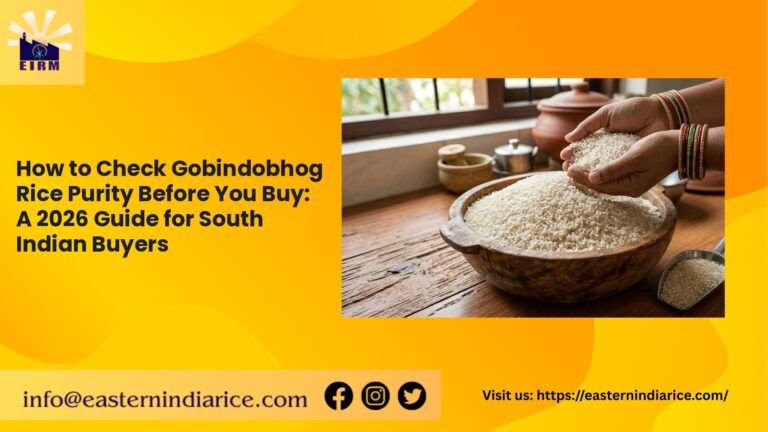
How to Check Gobindobhog Rice Purity Before You Buy: A 2026 Guide for South Indian Buyers

Gobindobhog-rice-India

Gobindobhog is a short-grain, non-basmati aromatic rice native to West Bengal, cultivated in the south Damodar belt of Purba Bardhaman for roughly 300 years. It carries a Geographical Indication (GI) tag granted in October 2017, which legally restricts the “Gobindobhog” name to rice grown in its registered region โ€” meaning rice from other areas or varieties cannot lawfully be branded as Gobindobhog. The variety is prized for its sticky texture and milky-sweet fragrance, driven by a low-intermediate amylose content of around 17.9% and a medium-strong natural aroma. It takes its name from its traditional use in temple offerings to Govindajiu, the family deity of the Setts of Kolkata. Although it is a Bengali rice, demand is not confined to the east. Gobindobhog is now a sought-after premium grain in Karnataka, Tamil Nadu and Kerala, where it is used in festive payesh, temple prasadam, and high-end restaurant menus. That growing southern demand is exactly why purity matters: where a premium grain commands a premium price, adulteration follows. The most common form of rice fraud is not an obviously “fake” product โ€” it is the quiet blending of a premium variety with cheaper, lower-quality rice, sold at the premium price. Other tactics include artificial scenting of ordinary short-grain rice to mimic Gobindobhog’s signature aroma, and passing off old or moisture-damaged stock as fresh. For a festive pulao or payesh, the result is flat aroma, uneven cooking, and a texture that never quite holds. Where Eastern India Rice Mill fits Eastern India Rice Mill (EIRM), operating under Neelpath Merchandise Pvt. Ltd. from Purba Bardhaman โ€” the GI heartland of Gobindobhog โ€” addresses these failure points at the source. The mill sources paddy directly from regional farms in the variety’s native belt, then cleans and sorts it on automated milling lines that grade grains for size and uniformity before packing. Its rice is aged for up to two years before sale, a deliberate step that deepens the natural sweetness and firms up cooking texture rather than relying on chemical enhancement. EIRM supplies two distinct premium lines โ€” Double D.P.  and Malik Deenar โ€” across both B2B wholesale and D2C retail channels, serving buyers in West Bengal and the southern states. For a procurement buyer or a kitchen sourcing in bulk, that combination โ€” native-region paddy, two-year ageing, automated grain sorting, and an FSSAI-licensed supply chain โ€” removes the guesswork that loose-market testing can never fully eliminate. That said, knowing the four field tests below is still worth your time โ€” whether you are vetting a new supplier sample or checking a retail pack before a festival. The 4 purity checks you can do before buying 1. Grain size and shape. Authentic Gobindobhog is a short-grain variety โ€” grains are tiny, plump and oval. If the pack shows long, slender, or unevenly broken grains mixed in, cheaper rice has likely been blended. Genuine premium stock is sorted for uniformity. 2. The rub-and-sniff aroma test. True Gobindobhog smells naturally sweet and milky even when raw. Rub a small handful between your palms for a few seconds โ€” the friction releases the grain’s natural oils. A faint, plastic-like, or sharply chemical scent points to artificial perfuming, which rinses off during washing. A genuine grain holds a subtle, earthy fragrance raw that blooms into a buttery aroma only on cooking. 3. Colour. Raw Gobindobhog is a clean, slightly translucent creamy-white to light ivory. Grains that are dead opaque, chalk-white and dull are usually low-grade, high-starch substitutes. 4. The water test. The FSSAI’s DART (Detect Adulteration with Rapid Test) booklet recommends a simple at-home water test: add a couple of teaspoons of rice to a glass of clean water and stir. Pure grains leave the water clear, while artificially coloured or coated grains release colour quickly. As a freshness check, dense, sound grains sink, while hollow, old, or moisture-heavy grains float. Checkpoint Pure Gobindobhog Adulterated / fake Grain shape Tiny, oval, uniform Mixed sizes, long or broken Raw scent Natural, sweet, buttery Chemical smell, or none Colour Soft, translucent ivory Opaque, dull, chalky white In water Stays clear; grains sink Leaches colour; grains float Conclusion Checking grain shape, aroma, colour, and clarity in water will catch most adulterated rice at the shelf โ€” but field tests have limits, especially on bulk orders where a single blended batch can spoil an entire festive run. The dependable safeguard is sourcing from a GI-region, FSSAI-licensed manufacturer that can document where its paddy comes from and how it is processed. Eastern India Rice Mill mills its rice in Purba Bardhaman, the native belt of Gobindobhog, sorts every batch for grain uniformity, and ages its Double D.P.ยฎ and Malik Deenarยฎ lines up to two years for natural sweetness and texture โ€” no artificial scenting, no stale stock. For wholesale buyers, distributors, and restaurants across Kerala and Tamil Nadu, that means consistent quality you can verify on arrival. Request a sample or a bulk quote to confirm the grain before you commit. FAQ

Gobindo Bhog Rice Nutrition Facts: Calories, Carbs, and Health Value Explained

Gobindobhog-rice-India

If you love aromatic food, you probably know about Gobindo Bhog rice. It is a small-grain, white rice that smells heavenly. People use it to make delicious dishes like khichdi, payesh (kheer), and pulao. But did you know this tasty rice is also packed with great health value? When looking for the best quality grain, it is essential to trust the top special gobindo bhog rice manufacturers in india. They ensure that the rice retains its natural nutrition, unique buttery flavor, and authentic aroma from the farm to your plate. Let us dive deep into the nutrition facts, calories, carbs, and health benefits of Gobindo Bhog rice to understand why it deserves a spot in your daily kitchen. What is Gobindo Bhog Rice? Gobindo Bhog is a premium, short-grain aromatic rice. It is named after its traditional use in preparing offerings for Lord Govinda. Because of its superb quality and sweet scent, it has received a Geographical Indication (GI) tag. Brands like Eastern India Rice Mill (MINI) bring you this authentic grain with its nutrients completely intact, ensuring you get the maximum health value with every single bite. Nutrition Breakdown: Calories and Carbs Many people think that white aromatic rice is just empty starch. That is not true! Gobindo Bhog rice provides clean, easily digestible energy. Here is what you get in a standard serving of about 100 grams of raw Gobindo Bhog rice: The Role of Carbohydrates As you can see, this rice is rich in healthy carbohydrates. These carbs are complex, meaning they break down slowly to give your body steady energy throughout the day. It is an excellent fuel source for kids, athletes, and anyone with an active lifestyle. Low in Fat and Sodium If you want to maintain a healthy weight or take care of your heart, this rice is a great option. It has almost zero fat and very low sodium content, which helps keep your blood pressure levels in check. Trusting experienced gobindo bhog rice suppliers in india ensures you get pure, unadulterated grains that keep these heart-healthy traits alive. Top Health Value and Benefits Gobindo Bhog rice is more than just comfort food. It brings several health benefits to your dinner table: Cooking It Right for Maximum Nutrition To keep the health value high, cook your rice using the boiling method. Try to avoid discarding the excess water if you want to save all the water-soluble vitamins. Alternatively, you can use a measured amount of water (usually a 1:2 rice-to-water ratio) so the grains absorb everything perfectly. Pairing a hot bowl of Eastern India Rice Mill (MINI) Gobindo Bhog rice with lentils (dal) and a side of fresh vegetables creates a completely balanced meal filled with protein, fiber, and vitamins. Buying Guide: Finding the Best Rice Because of its high demand, the gobindo bhog rice price in india can vary depending on the season and the purity of the grain. Sometimes, cheaper versions are mixed with lower-grade short rice that lacks the authentic aroma. To avoid this, always check the packaging carefully. Choosing premium brands like EIRM guarantees that you are getting 100% pure, single-origin grains. As trusted gobindo bhog rice suppliers in india, they make sure that you get the best value for your money. Conclusion Gobindo Bhog rice is a delightful combination of taste, aroma, and good health. It gives you long-lasting energy, is gentle on the stomach, and provides essential nutrients to support your body’s wellness. When you purchase from the best special gobindo bhog rice manufacturers in india, you invest in your familyโ€™s overall health. Bring home a pack today, cook a steaming bowl, and enjoy the perfect balance of pure nutrition and incredible taste! FAQ

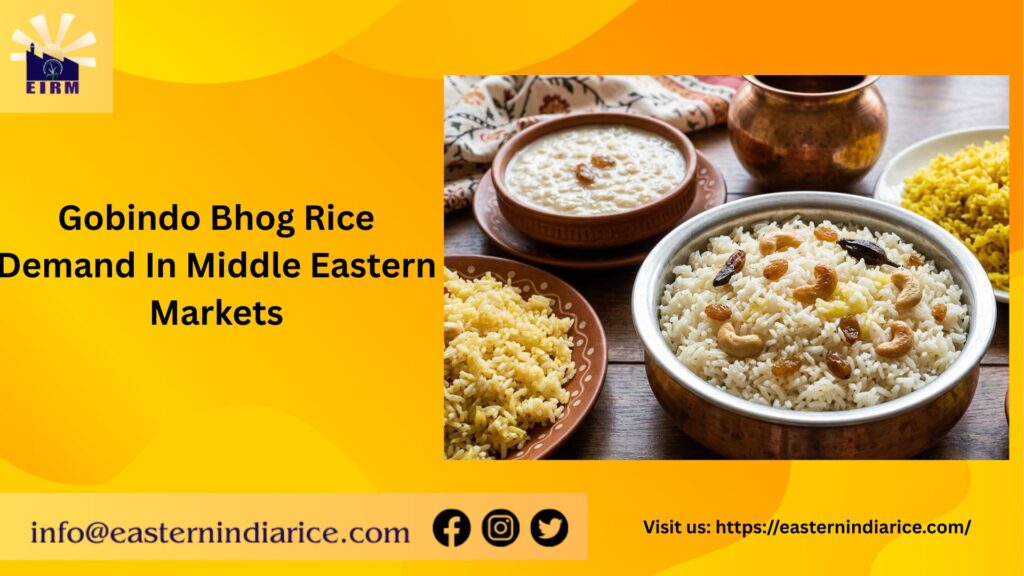
Growing export demand for Gobindo Bhog rice in Middle Eastern markets

Gobindo Bhog Rice In Middle Eastern Markets

In recent years, the world has started to notice the unique treasures of Indian agriculture. Among these, gobindobhog rice is making a huge splash in international markets, especially in the Middle East. Eastern India Rice Mill (MINI) is at the forefront of this movement, bringing the finest quality grains from local farms to global dinner tables. Known for its heavenly aroma and buttery taste, this fragrant rice is no longer just a staple in Bengali householdsโ€”it is becoming a favorite in kitchens across Dubai, Riyadh, and Doha. Why is the Middle East Falling in Love with Gobindo Bhog? The Middle East has always had a deep-seated love for aromatic rice. While Basmati has traditionally ruled the market, there is a shifting trend toward specialty grains. Here is why the demand is growing: The Role of Quality Manufacturers To meet this global demand, consistency is key. Middle Eastern markets have very strict food safety and quality standards. This is where EIRM stands out. As one of the leading gobindobhog rice manufacturers, they use ultra-modern milling technology to ensure that every grain is sorted for size, color, and purity. When importing short grain rice, buyers look for: Export Trends for 2026 The export data shows a steady climb. India is currently the largest exporter of rice, and the government is encouraging the trade of GI-tagged (Geographical Indication) varieties. Because gobindobhog is grown in specific regions of West Bengal, its “exclusivity” makes it a high-value product in premium Middle Eastern supermarkets. Trusted gobindobhog rice manufacturers are now expanding their networks to include direct supply chains to the Gulf. This means fresher stock and better prices for international consumers. By focusing on sustainable farming and high-tech processing, Eastern India Rice Mill (MINI) is helping put this traditional Indian grain on the global map. Key Takeaways for Buyers If you are looking to tap into this growing market, remember these points: The journey of this tiny, short grain rice from the fields of Bengal to the luxury plates of the Middle East is a success story of tradition meeting technology. With brands like EIRM leading the way, the future of Indian specialty rice exports looks brighter than ever. Conclusion The future of gobindobhog rice in the Middle East looks incredibly promising as more consumers discover the charm of this short grain rice. Its ability to elevate a simple meal into a gourmet experience makes it a must-have in international pantries. By partnering with dedicated gobindobhog rice manufacturers like Eastern India Rice Mill (MINI), global distributors can ensure they are providing the highest quality fragrant rice to their customers. As culinary boundaries continue to fade, this traditional Indian grain is set to become a permanent star on dinner tables across the Gulf and beyond.

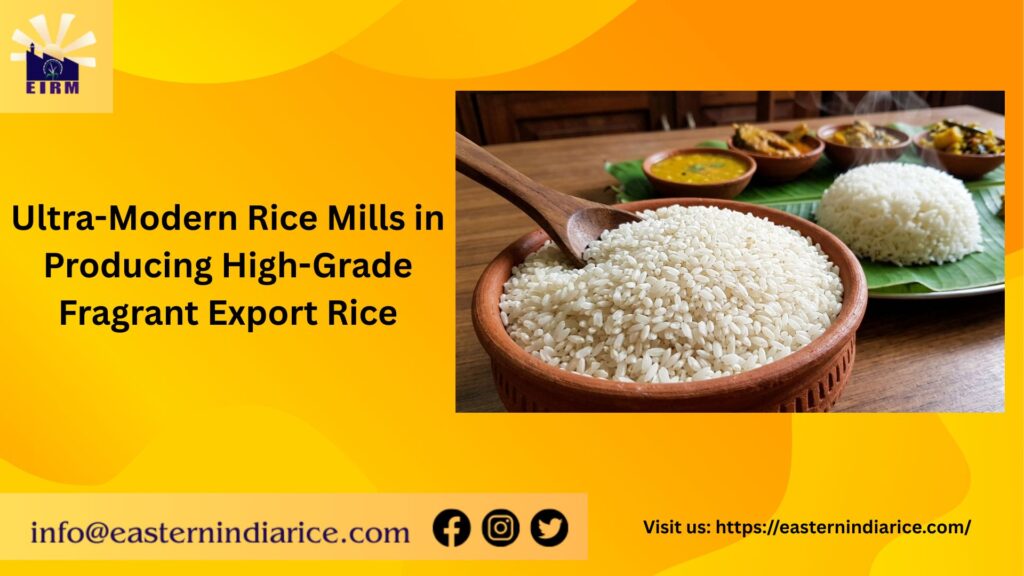
The Role of Ultra-Modern Rice Mills in Producing High-Grade Fragrant Export Rice

Ultra-Modern Rice Mills in Producing High-Grade Fragrant Export Rice

Rice is one of the most important foods in the world, and India is known for producing some of the finest varieties. Among them, fragrant rice is highly popular because of its rich aroma, soft texture, and excellent taste. Today, the demand for premium export-quality rice has increased greatly, and ultra-modern rice mills play a key role in maintaining this high standard. Modern technology has completely changed the way rice is processed. Earlier, traditional methods often caused damage to grains and loss of aroma. Now, advanced rice mills ensure that every grain keeps its natural fragrance, quality, and nutritional value from farm to export market. Importance of Modern Rice Milling Technology Ultra-modern rice mills use advanced machines that clean, process, and polish rice carefully without harming the grain. These machines remove dust, stones, husk, and unwanted particles while protecting the natural shape and smell of the rice. High-grade processing systems help maintain uniform grain size and attractive appearance, which are very important for international buyers. Companies like EIRM use automated milling solutions that reduce human error and ensure consistent quality throughout production. Modern mills also follow strict hygiene standards. Clean processing environments prevent contamination and help produce rice that meets global food safety requirements. This is especially important for export markets where quality checks are very strict. Maintaining Aroma and Quality of Fragrant Rice The biggest challenge in rice processing is preserving aroma. Fragrant varieties lose their natural smell if handled roughly or stored improperly. Ultra-modern mills use gentle milling techniques and temperature-controlled systems to protect the riceโ€™s natural fragrance. Proper drying technology plays a major role as well. Controlled drying prevents cracks in the grains and helps maintain moisture balance. This process ensures that fragrant rice reaches consumers with the same freshness as when it was harvested. Advanced grading machines separate broken grains from full grains, resulting in premium export-quality rice. This careful selection improves both market value and customer satisfaction. Supporting Premium Gobindo Bhog Rice Production India is famous for specialty rice varieties such as Gobindo Bhog, known for its sweet aroma and soft texture. Leading gobindo bhog rice manufacturers in india depend heavily on ultra-modern rice mills to maintain authenticity and purity. Modern milling systems help preserve the small grain structure of Gobindo Bhog rice without excessive polishing. Over-polishing can reduce flavor and aroma, but automated machines ensure balanced processing. Reliable gobindo bhog rice suppliers in india also benefit from modern packaging systems available in advanced mills. Vacuum sealing and hygienic packing protect the rice from moisture and pests during transportation, making it suitable for both domestic and international markets. Quality Control and Export Standards Export rice must pass several quality tests before reaching global buyers. Ultra-modern rice mills include laboratory testing facilities where rice is checked for moisture level, grain length, purity, and aroma. Digital monitoring systems track every stage of production, ensuring transparency and consistency. This helps exporters build trust with international clients. Brands supported by advanced infrastructure, such as EIRM, can maintain steady production while meeting large export demands. Traceability systems also allow buyers to know the origin of rice, which is becoming increasingly important in global trade. Reducing Waste and Improving Efficiency Another important advantage of ultra-modern rice mills is efficient resource management. Automated systems reduce grain breakage and minimize wastage during processing. By-products like rice husk and bran are also reused for energy generation or other industries. This makes modern rice milling environmentally friendly and cost-effective. Energy-efficient machinery reduces power consumption while increasing output capacity. As a result, mills can produce large quantities of export-quality rice without compromising quality. Better Storage and Packaging Solutions Proper storage is essential to maintain the aroma and freshness of rice. Ultra-modern mills use scientific storage systems with controlled temperature and humidity levels. Automated packaging ensures accurate weight, sealed bags, and contamination-free handling. This helps gobindo bhog rice suppliers in india deliver rice that remains fresh even after long-distance shipping. Good packaging also improves brand value and market appeal in international markets. Conclusion Ultra-modern rice mills have become the backbone of high-quality rice production in India. From cleaning and milling to grading and packaging, advanced technology ensures that every grain meets global standards. They help preserve aroma, improve efficiency, and support trusted gobindo bhog rice manufacturers in india in delivering premium products worldwide. With modern solutions offered by industry leaders like EIRM, the future of fragrant rice export looks stronger than ever. As global demand continues to grow, ultra-modern rice mills will remain essential in producing safe, aromatic, and high-grade rice that proudly represents India in international markets.

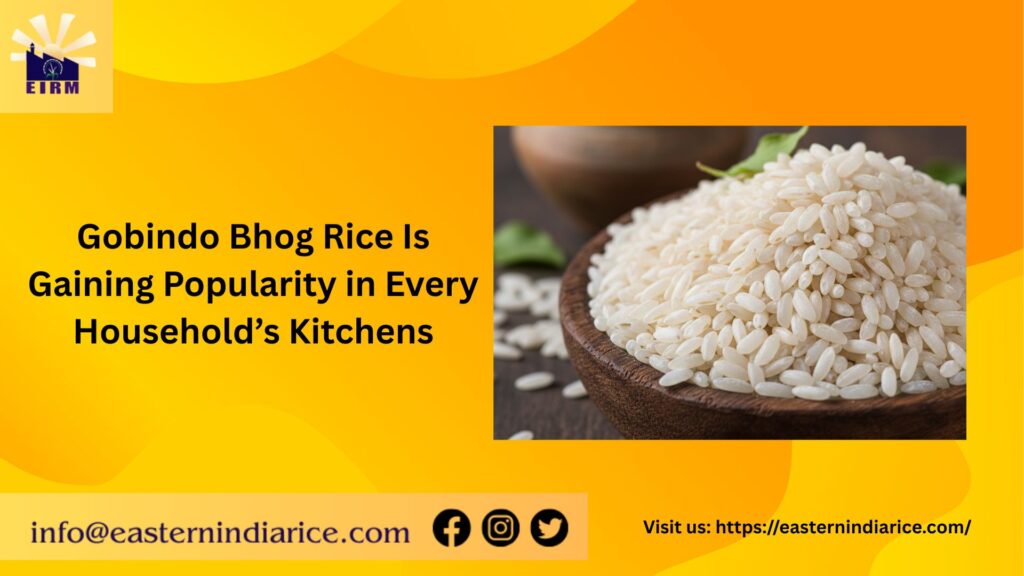
Why Gobindo Bhog Rice Is Gaining Popularity in Every Householdโ€™s Kitchens

gobindo bhog rice in Kerala online wholesale

Gobindo Bhog rice is loved for its short grains and pleasant fragrance. The moment it starts cooking, it fills the kitchen with a warm and comforting aroma. When cooked, the rice becomes soft and slightly sticky, making it perfect for many types of meals. At Eastern India Rice Mill (MINI), we often hear from customers that even simple food tastes better when made with this rice. You do not need heavy spices or rich gravies. The natural flavor of the rice itself adds depth to the dish. This is why many families now use it for everyday lunches and dinners. Easy Cooking for Busy Homes Life today is fast-paced, and people want food that is easy to prepare. One of the biggest reasons Gobindo Bhog rice is gaining popularity is because it is very easy to cook. It does not take much time and does not need special cooking skills. Even first-time cooks can get perfect results. The grains cook evenly and absorb water well. At EIRM, we make sure our rice is properly cleaned and processed so that cooking becomes simple and stress-free for every home. Suitable for Many Types of Dishes Gobindo Bhog rice is very flexible in cooking. It works well for light meals, comfort food, and sweet dishes. Many households use it for soft rice meals, one-pot dishes, and traditional desserts. We ensure that our rice keeps its natural qualities, so it performs well in every recipe. Whether you cook it plain or mix it with vegetables and spices, the taste remains smooth and balanced. This versatility makes it a favorite choice in modern kitchens. Growing Demand Across India Over the years, people have become more aware of food quality. Instead of choosing any rice, families now look for rice that is tasty, aromatic, and easy to digest. This shift has increased the demand for Gobindo Bhog rice across different regions. As a trusted gobindo bhog rice supplier in Kerala, we at Eastern India Rice Mill (MINI) are happy to serve this growing demand. Many customers in Kerala appreciate fine-quality rice and are now choosing Gobindo Bhog rice for both home cooking and special meals. We work hard to ensure steady supply and consistent quality. Our Commitment to Quality Being one of the special gobindo bhog rice manufacturers in India, quality is at the heart of everything we do at EIRM. From selecting good paddy to careful milling and hygienic packaging, every step is handled with care. We focus on maintaining purity, natural aroma, and grain softness. Our strict quality checks ensure that the rice reaching your kitchen meets high standards. We believe trust is built when customers receive the same quality every time they choose our brand. Easy Online and Wholesale Availability Today, convenience matters. That is why we provide smooth access to gobindo bhog rice in Kerala online wholesale and other regions as well. Retailers and bulk buyers can easily source our rice without delays or quality concerns. Our packaging is designed to keep the rice fresh during transport and storage. With reliable delivery and professional service, we aim to make premium rice easily available to everyone. Our Promise at EIRM At EIRM, we believe Gobindo Bhog rice is gaining popularity because it fits perfectly into todayโ€™s lifestyle. It is simple, flavorful, and comforting. It turns ordinary meals into enjoyable experiences. At Eastern India Rice Mill (MINI), we work closely with families, retailers, and food businesses across India. Over time, we have clearly seen one change in everyday cooking habitsโ€”more households are choosing Gobindo Bhog rice for their regular meals. What was once used mainly for special dishes is now becoming a daily kitchen essential. Its aroma, soft texture, and rich taste are the main reasons behind this growing popularity. We believe that good meals begin with the right rice, and Gobindo Bhog rice truly brings something special to the table. We are proud to bring this special rice into more households every day. Our promise is to continue delivering high-quality Gobindo Bhog rice that families can trust, enjoy, and shareโ€”making every meal warm, satisfying, and full of care.

Scroll to Top