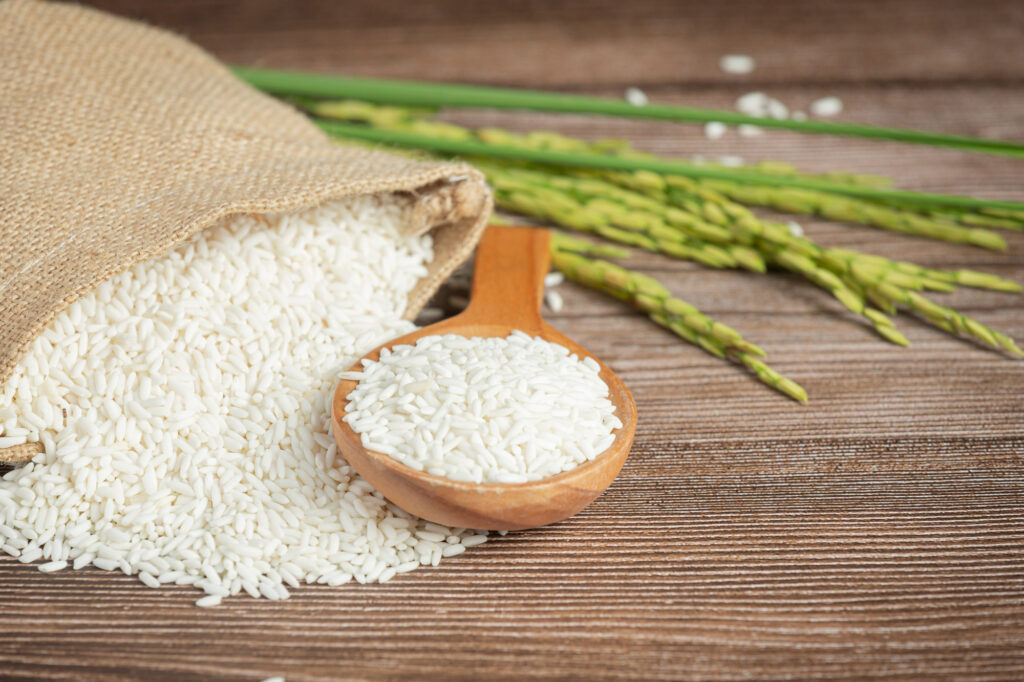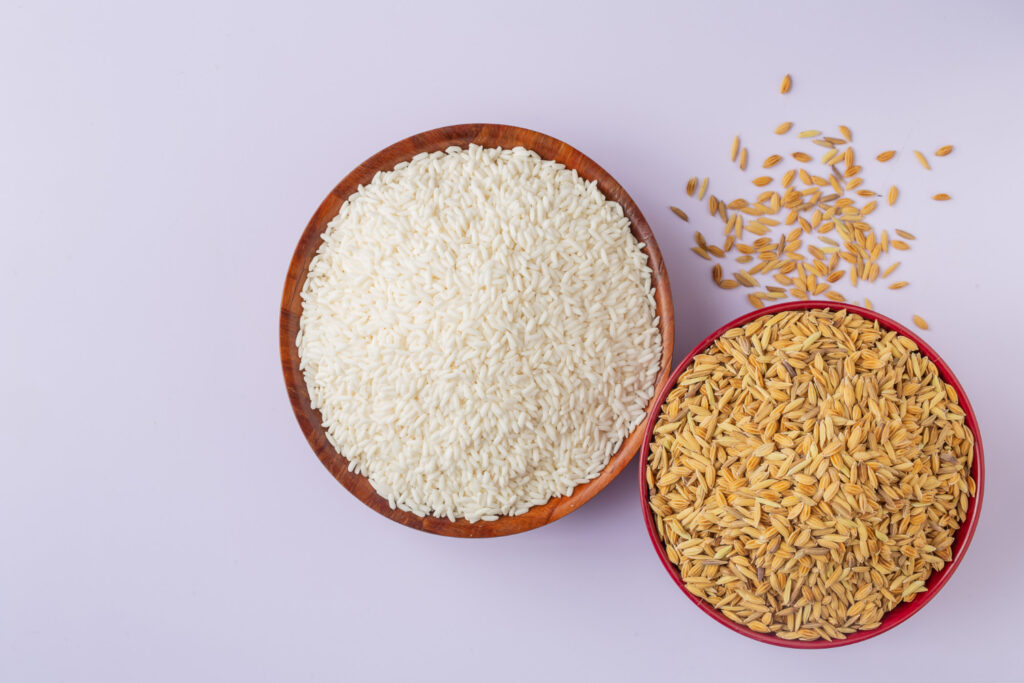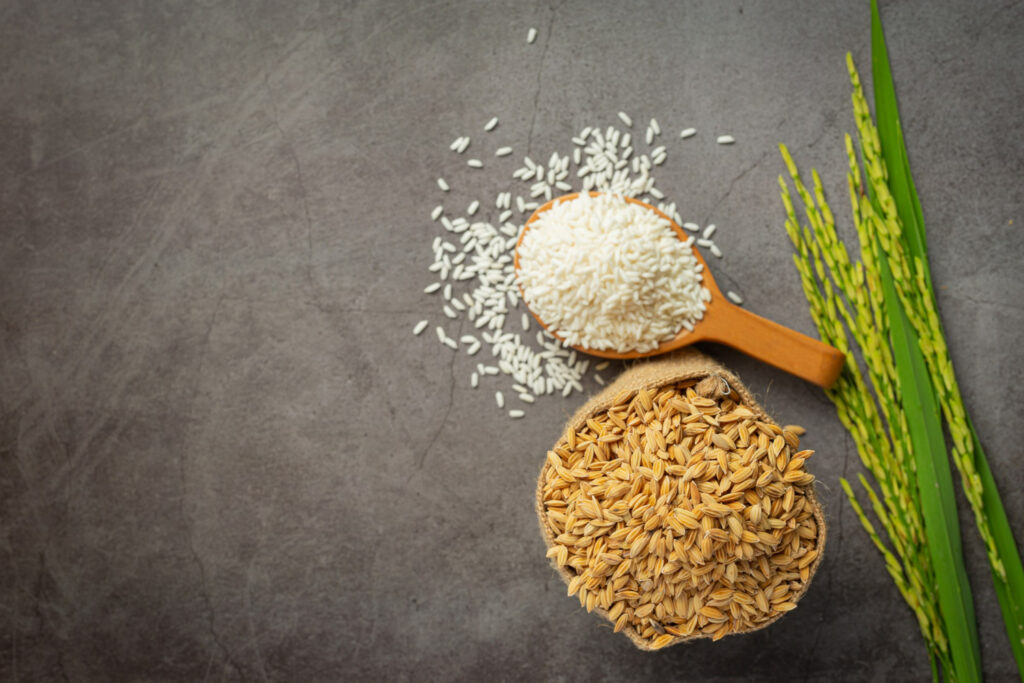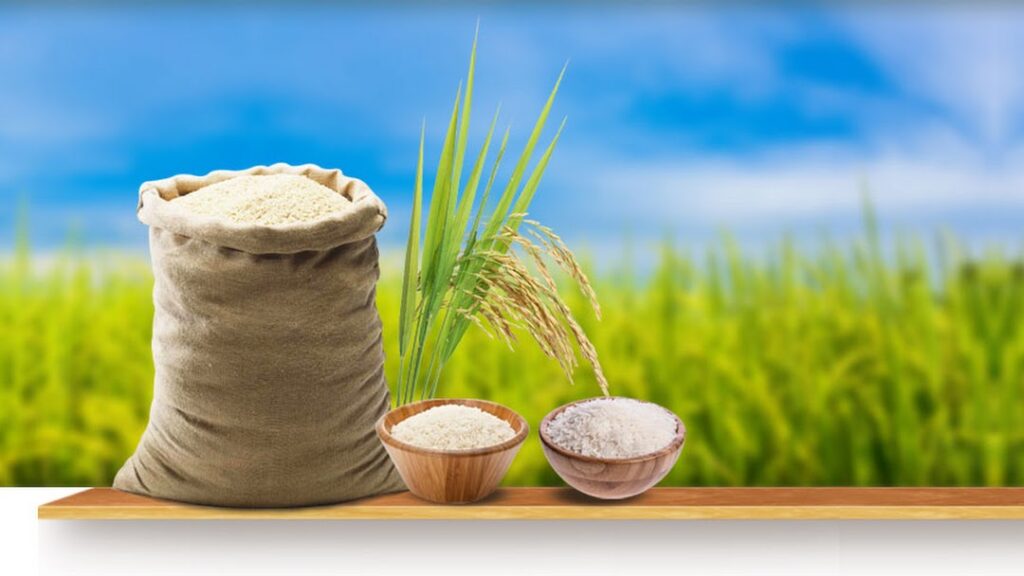
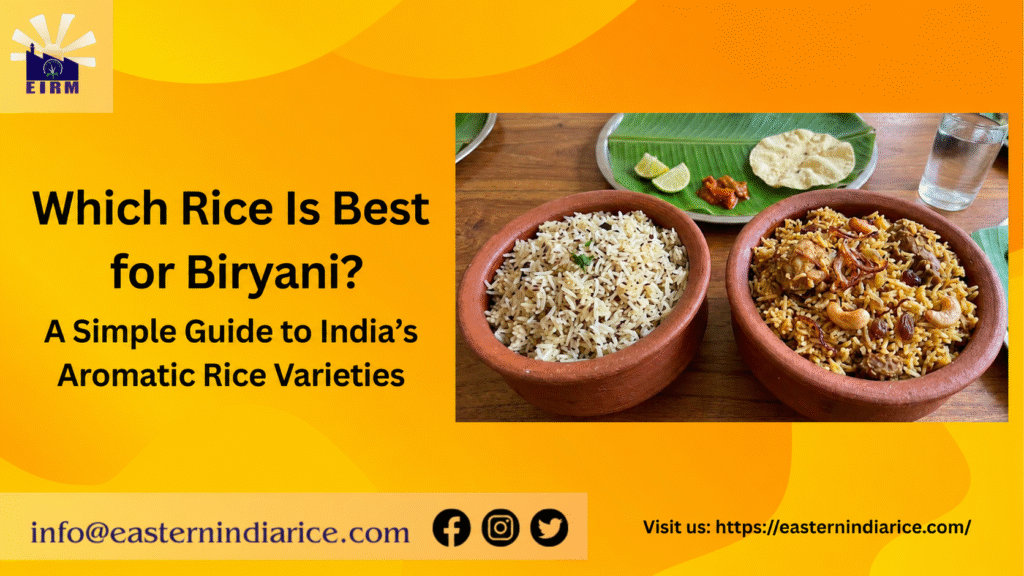
The best rice for biryani is not always basmati. Across South and East India, cooks choose short grain aromatic rice — Seeraga Samba (jeera samba rice) in Tamil Nadu, Kaima rice (also called Jeerakasala or jeera kasala rice) in Kerala, and Gobindobhog in West Bengal — because small fragrant grains absorb masala deeply and hold their shape during slow dum cooking. This guide compares these varieties in plain terms, explains why export buyers group them together as fragrant rice, and answers the questions bulk buyers ask before placing an order.
What makes a rice right for biryani
Three qualities decide how rice behaves in a biryani pot. The first is aroma: a true fragrant rice releases its scent naturally during cooking, so the dish needs less added flavouring. The second is absorption: the grain must soak up stock, ghee, and spices without turning to paste. The third is grain integrity: each grain should stay separate and whole after layering and steaming.
Short grain rice has a natural advantage in the second and third qualities. Smaller grains present more surface area to the masala, and their starch structure keeps them firm through long, sealed steaming. This is why so many regional biryanis outside the basmati belt are built on small-grained varieties.
Aging improves all three qualities further. Rice stored for one to two years loses excess moisture, so it cooks drier, absorbs more liquid, and breaks less. This is why experienced biryani cooks and caterers ask for aged rice first and variety second.
The short grain aromatic family: four names every buyer compares
Seeraga Samba (jeera samba rice). A tiny-grained aromatic rice from Tamil Nadu, named after cumin (jeera) because of its size. It is the traditional base of Ambur and Dindigul biryanis and of most Andhra-style biryani served across South India. It cooks firm and carries spice well.
Kaima rice (Jeerakasala / jeera kasala rice). Kerala’s own short grain aromatic variety, central to Thalassery biryani in the Malabar region. The grains are small, lightly fragrant, and cook quickly, which suits the Malabar method of cooking rice and masala separately before layering.
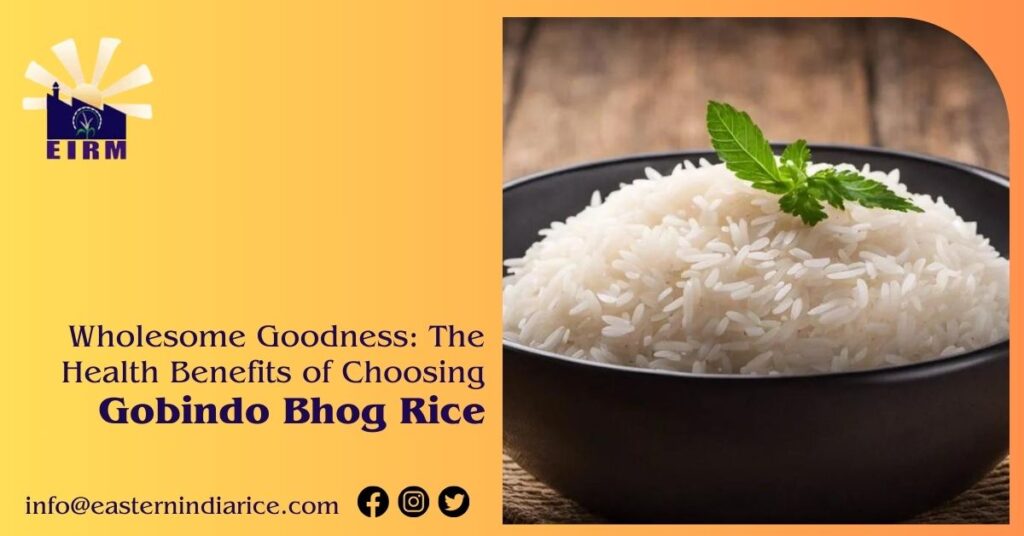
Gobindobhog. A short grain aromatic rice from West Bengal, registered as a Geographical Indication (GI) variety of the state. Its grains are small, naturally fragrant, and slightly buttery when cooked. In Bengal it is the rice of festive cooking, and aged Gobindobhog is increasingly used for biryani in Kerala, Karnataka, and Tamil Nadu as a close cousin of the southern short grain types.
Jasmine rice. The international reference point for fragrant rice, grown mainly in Thailand. Its grain is long, not short, but Middle East and Southeast Asian importers often use “jasmine” as shorthand for any aromatic table rice, so Indian short grain varieties are frequently compared against it in export enquiries.
Why export buyers search for “fragrant rice”
Import buyers in the Gulf rarely search by Indian variety names. They search category terms — fragrant rice, short grain rice, aromatic rice — and then compare origins on aroma, grain size, and price. India is the world’s largest rice exporter, and all non-basmati rice shipments must be registered with APEDA, the government authority that regulates agricultural exports. For a Middle East buyer, an Indian mill with APEDA-registered export capability and a named, GI-recognised variety like Gobindobhog is easier to verify than an unnamed “fragrant rice” offer. That verification step is where serious export enquiries usually begin. A typical first enquiry asks for grain length, aging period, moisture level, packaging sizes, and a physical sample — mills that can answer all five in one reply move to the shortlist quickly.
Choosing between them: a simple rule
Match the rice to the dish and the region. Andhra and Tamil-style biryanis are built on Seeraga Samba. Thalassery biryani calls for Kaima. Bengali cooking and a growing share of South Indian caterers use aged Gobindobhog for its aroma and lower breakage. For bulk buyers, the variety question matters less than three checks that apply to every purchase: is the rice aged, is the supplier licensed, and can they ship consistent quality to your state month after month. A supplier who passes those three checks with one variety is usually a safer choice than a trader offering every variety at once. The FAQ below answers the most common sourcing questions state by state.
About Eastern India Rice Mill
Eastern India Rice Mill (EIRM), operated by Neelpath Merchandise Pvt. Ltd., is a Gobindobhog rice manufacturer and wholesale supplier based in Purba Bardhaman, West Bengal — one of the state’s main rice-milling districts. The mill specialises in the variety discussed in this guide: short grain aromatic Gobindobhog, aged up to two years before dispatch and grown without chemicals.
EIRM supplies distributors and bulk buyers through two registered brands. Double D.P.® serves West Bengal, Assam, and Kerala. Malik Deenar® serves Tamil Nadu and Karnataka, including Bengaluru. Orders work on a wholesale enquiry basis rather than online checkout, and export enquiries for aged Gobindobhog are accepted from Middle East buyers.
Frequently Asked Questions
Kaima (Jeerakasala) is the traditional choice for Thalassery biryani, while aged Gobindobhog is a widely used short grain alternative with a stronger aroma. Wholesale buyers source both through distributors; Eastern India Rice Mill is a wholesale rice supplier in Kerala, shipping aged Gobindobhog under its Double D.P.® brand.
Caterers in Karnataka use both Seeraga Samba and aged Gobindobhog, choosing by aroma and cooking style. In Bengaluru, hotels often test both before fixing a supplier. Eastern India Rice Mill serves Karnataka, including Bengaluru, under its Malik Deenar® brand through wholesale distribution.
Traditional Hyderabadi biryani is made with long grain basmati. Many caterers in Karnataka, however, prepare Hyderabadi-style biryani with short grain aromatic rice such as Gobindobhog because it absorbs masala better and costs less per plate. Both approaches are common in commercial kitchens.
Seeraga Samba is the traditional rice for Andhra-style biryani served in Tamil Nadu. Aged Gobindobhog offers a similar small grain and stronger natural aroma, so many kitchens compare the two before buying in bulk. The right choice depends on the texture the cook wants.
Mills in West Bengal ship aged Gobindobhog to South India through distributors. Eastern India Rice Mill supplies Kerala under the Double D.P.® brand and is a rice supplier in Tamil Nadu, Karnataka, and Bengaluru under the Malik Deenar® brand, dispatching direct from its mill in Bengal.